Working at height remains one of the most demanding aspects of many industries, making reliable fall protection a top priority. A Vertical Lifeline in France plays a vital role in helping workers safely climb fixed ladders, towers, industrial structures, and elevated work areas while minimizing the risk of serious falls. Whether the task involves maintaining telecommunications equipment, inspecting wind turbines, servicing industrial facilities, or accessing rooftops, a properly designed vertical lifeline system offers continuous protection throughout the climb.
France is home to numerous industries that rely on elevated work environments every day. Construction, renewable energy, transportation, utilities, and commercial property maintenance all require dependable safety systems that protect workers without limiting productivity. Investing in a high-quality vertical lifeline system not only enhances workplace safety but also supports efficient operations and long-term asset protection.
Understanding Vertical Lifeline Systems
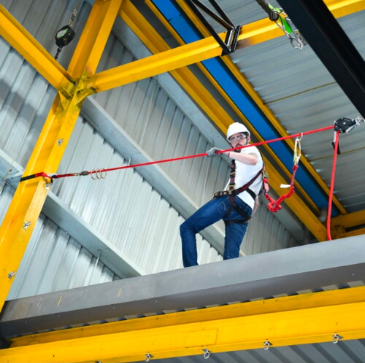
A vertical lifeline is a specialized fall protection system designed to safeguard workers while climbing vertically. Unlike traditional lanyards that require repeated connection and disconnection, a vertical lifeline allows users to remain continuously attached to the system throughout their ascent and descent. This continuous connection significantly reduces exposure to fall hazards.
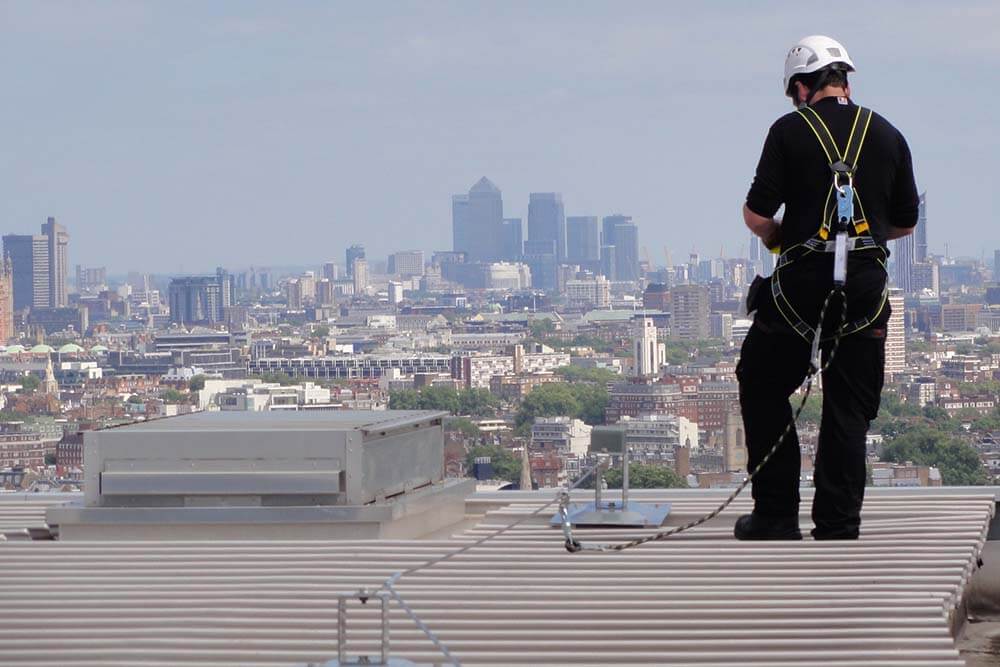
The system typically consists of a durable cable or rope securely anchored to a structure, along with a mobile fall arrester that travels with the worker. If an unexpected slip or fall occurs, the fall arrester automatically locks onto the lifeline, helping stop the fall quickly and reducing the forces placed on the user.
Permanent vertical lifelines are commonly installed on fixed ladders attached to towers, silos, industrial buildings, and infrastructure. Temporary systems are often used for short-term construction projects or maintenance activities where permanent installations are unnecessary. Regardless of the application, every component must function together to provide dependable protection.
Choosing the right Vertical Lifeline in France starts with understanding the work environment, climbing frequency, and structural requirements. When properly selected and maintained, these systems become an essential part of an organization’s workplace safety strategy.
Why Vertical Lifeline Systems Are Essential in France
Many industries across France depend on workers performing tasks several meters above ground level. Even experienced professionals face risks whenever they climb ladders, towers, or elevated structures. A vertical lifeline greatly reduces these risks by providing continuous fall arrest protection throughout the entire climbing process.
Construction companies frequently install these systems on buildings under development, while industrial facilities use them for routine inspections and equipment maintenance. Renewable energy operators also rely on vertical lifelines when technicians climb wind turbines for servicing and repairs.
Besides protecting workers, these systems help organizations reduce downtime caused by workplace incidents. Safe employees are able to perform inspections, repairs, and maintenance with greater confidence and efficiency.
A properly installed Vertical Lifeline in France also supports long-term operational reliability by helping businesses prioritize worker protection while maintaining uninterrupted production. Investing in quality fall protection demonstrates a commitment to responsible workplace practices and employee well-being.
Industries That Commonly Use Vertical Lifeline in France
Many sectors benefit from reliable vertical lifeline systems because elevated work is part of their daily operations. Construction companies use them during high-rise building projects, bridge construction, and infrastructure development where workers frequently access scaffolding and fixed ladders.
Telecommunications providers depend on vertical lifelines when technicians climb communication towers to install antennas, inspect cables, and perform upgrades. Utility companies also require these systems when servicing transmission towers, electrical substations, and water treatment facilities.
Wind energy continues to expand across France, making fall protection increasingly important. Technicians regularly climb turbine towers for inspections, preventive maintenance, and component replacement. Vertical lifelines provide continuous safety throughout these demanding tasks.
Manufacturing plants, warehouses, commercial property maintenance providers, transportation infrastructure operators, and industrial processing facilities also rely on vertical lifeline systems. Regardless of the industry, protecting workers at height remains a critical operational priority.
Main Components of a Vertical Lifeline System
Every vertical lifeline system contains several important components that work together to provide dependable protection. The anchor point serves as the foundation of the entire system and must be securely attached to a structurally sound surface capable of supporting required loads.
The vertical cable or rope forms the primary climbing line. High-strength stainless steel cables are often selected for permanent installations because they resist corrosion and perform well in outdoor environments.
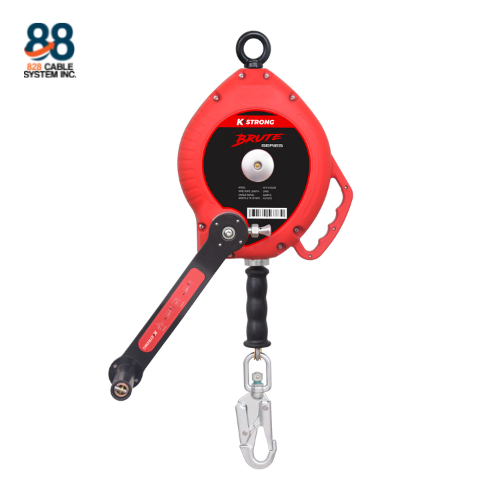
A mobile fall arrester travels along the cable with the worker. Under normal movement, it glides smoothly, allowing unrestricted climbing. If sudden acceleration occurs during a fall, the device locks instantly to stop downward movement.
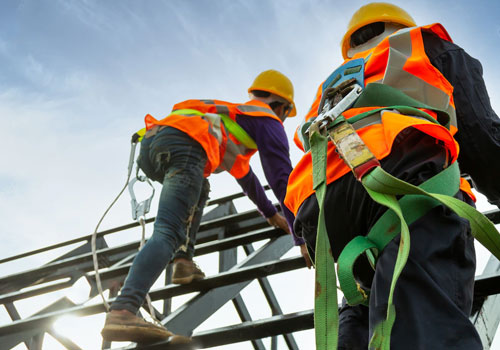
Workers also wear a certified full-body harness connected to the fall arrester. Energy absorbers help reduce impact forces during fall arrest, while connectors and carabiners securely link all components together. Mounting brackets and guide systems keep the lifeline properly aligned for consistent performance.
Each element contributes to the effectiveness of a Vertical Lifeline in France, making regular inspections and proper installation essential.
Types of Vertical Lifeline Systems Available in France
Different workplaces require different types of vertical lifeline systems. Permanent cable systems are among the most common because they provide long-lasting protection on fixed ladders and industrial structures. Their durability makes them ideal for facilities requiring frequent worker access.
Rope-based systems are often selected for temporary projects or locations where mobility is important. They offer flexibility while maintaining dependable fall protection when installed correctly.
Temporary vertical lifelines are widely used during construction, maintenance shutdowns, and infrastructure upgrades. These systems can be installed quickly and removed after project completion, providing cost-effective protection without permanent modifications.
Customized solutions are also available for unique structures such as chimneys, storage tanks, offshore platforms, and specialized industrial equipment. Selecting the appropriate system depends on climbing frequency, environmental conditions, structural design, and operational requirements.
Working with experienced safety professionals helps organizations identify the most suitable Vertical Lifeline in France for their specific applications.
How Vertical Lifeline Systems Improve Workplace Safety
Continuous attachment is one of the greatest advantages of a vertical lifeline system. Workers remain connected during the entire climb, reducing opportunities for accidental disconnection that may occur with traditional methods.
These systems also encourage safer climbing techniques because employees can keep both hands available for climbing instead of constantly repositioning safety equipment. This improves stability and allows greater focus on the task.
Fall arrest devices activate rapidly when unexpected movement occurs, helping minimize fall distance and reducing injury severity. This quick response significantly enhances worker protection during emergency situations.
Organizations also benefit from improved productivity because workers gain confidence knowing reliable safety measures are in place. Better safety often leads to improved morale, fewer disruptions, and more efficient maintenance schedules.
For businesses across France, investing in dependable vertical lifeline systems supports both operational performance and employee protection.
Key Features to Look for When Choosing a Vertical Lifeline in France
Not all fall protection systems offer the same level of quality. Durable materials are essential, particularly for outdoor installations exposed to rain, temperature changes, and corrosive environments. Stainless steel components often provide excellent long-term performance.
Compatibility between the lifeline, harness, fall arrester, and connectors is equally important. Using certified components designed to function together helps maintain reliable protection throughout the system’s service life.
Easy maintenance simplifies inspections and reduces operational downtime. Systems that allow straightforward replacement of worn components often provide better long-term value.
Reliable manufacturers typically offer engineering support, installation guidance, maintenance services, and user training. These additional resources help organizations maximize safety while maintaining compliance with applicable workplace standards.
Selecting a trusted supplier ensures a Vertical Lifeline in France continues delivering dependable performance year after year.
Applications of Vertical Lifeline Systems
Vertical lifelines support safe access across numerous elevated structures. Fixed ladders attached to commercial buildings frequently incorporate permanent lifeline systems to protect maintenance personnel.
Communication towers require dependable climbing protection because technicians often perform inspections and repairs at considerable heights. Industrial plants use vertical lifelines on storage tanks, process towers, and production equipment requiring elevated access.
Wind turbines represent another important application where technicians climb hundreds of feet during maintenance activities. Utility companies install vertical lifelines on transmission towers to improve worker safety during inspections and repairs.
Water treatment facilities, bridges, transportation infrastructure, silos, smokestacks, and cranes also benefit from professionally designed vertical lifeline systems. Their versatility makes them valuable across nearly every industry involving vertical access.
Installation Considerations for Vertical Lifeline Systems
Successful installation begins with a detailed site assessment. Engineers evaluate structural integrity to verify that the chosen anchor locations can safely support anticipated loads. Careful planning ensures the entire system functions as designed.
Professional installers follow manufacturer specifications throughout the installation process. Proper cable tension, secure anchor attachment, and accurate alignment all contribute to reliable operation.
Once installed, testing verifies smooth movement of the fall arrester and confirms that every component operates correctly before workers begin using the system. Documentation should record installation details, inspection dates, and maintenance requirements.
Organizations should also establish worker training programs covering proper equipment use, emergency procedures, and routine inspection responsibilities. Well-trained personnel are essential for maximizing the effectiveness of any fall protection system.
A professionally installed Vertical Lifeline in France provides dependable protection while supporting long-term workplace safety objectives.
Inspection and Maintenance Best Practices
Routine inspections help identify wear before minor issues become serious safety concerns. Workers should visually inspect harnesses, connectors, cables, and fall arrest devices before each use to check for damage, corrosion, or excessive wear.
Scheduled inspections by qualified professionals provide a more detailed assessment of system performance. These evaluations verify cable tension, anchor integrity, hardware condition, and overall functionality.
Cleaning exposed components removes dirt, debris, and contaminants that may interfere with proper operation. Corrosion prevention measures further extend the service life of permanent installations.
Damaged equipment should be removed from service immediately and replaced using manufacturer-approved components. Accurate inspection records help organizations maintain maintenance schedules and demonstrate ongoing commitment to workplace safety.
Consistent maintenance allows a vertical lifeline system to remain dependable throughout its operational lifespan.
Common Mistakes to Avoid When Using Vertical Lifeline Systems
Several avoidable mistakes can reduce the effectiveness of fall protection systems. One common error is using incompatible equipment from different manufacturers without verifying compatibility. Every component should function together as a complete certified system.
Skipping routine inspections increases the likelihood of undetected wear or damage. Even small defects can affect performance during an emergency.
Improper harness adjustment also creates unnecessary risks. Workers should ensure the harness fits correctly before climbing to maximize protection and comfort.
Ignoring manufacturer guidelines, exceeding equipment capacity, or failing to provide adequate worker training can all compromise safety. Organizations should establish clear procedures that encourage proper equipment use and regular refresher training.
Avoiding these common mistakes helps maintain reliable protection while supporting safer working environments.
How to Choose the Right Vertical Lifeline Provider in France
Selecting an experienced provider is just as important as selecting the equipment itself. Established suppliers typically offer engineering expertise, quality products, installation support, and long-term maintenance services.
Look for companies with extensive experience serving industries such as construction, telecommunications, renewable energy, utilities, and manufacturing. Their familiarity with different applications allows them to recommend appropriate solutions for various environments.
Reliable providers also offer technical documentation, inspection assistance, replacement parts, and user training programs. Comprehensive support helps organizations maximize equipment lifespan and maintain consistent safety performance.
Strong customer service and ongoing technical assistance provide additional confidence throughout the system’s lifecycle. Choosing a trusted supplier ensures businesses receive dependable fall protection solutions that continue supporting safe work at height for years to come.
Frequently Asked Questions
What is a vertical lifeline system?
A vertical lifeline system is a fall protection solution designed to protect workers while climbing fixed ladders and elevated structures. It provides continuous attachment throughout ascent and descent.
Who should use a Vertical Lifeline in France?
Construction workers, maintenance personnel, telecommunications technicians, utility workers, industrial employees, and wind turbine technicians commonly use vertical lifeline systems.
How often should a vertical lifeline be inspected?
Users should perform visual inspections before every use, while qualified professionals should conduct scheduled inspections according to manufacturer recommendations and workplace safety requirements.
Can existing ladders be fitted with vertical lifeline systems?
Yes. Many existing fixed ladders can be upgraded with professionally installed permanent vertical lifeline systems after proper structural evaluation.
What is the difference between permanent and temporary systems?
Permanent systems remain installed for ongoing access, while temporary systems are designed for short-term projects and can be removed after work is completed.
Why is a Vertical Lifeline in France important?
It helps reduce fall risks, protects workers during vertical climbing, improves operational efficiency, and supports safer maintenance activities across numerous industries.
Takeaway
A Vertical Lifeline in France is an essential investment for organizations where employees regularly work at height. By providing continuous fall protection during climbing activities, these systems help reduce workplace risks while improving confidence and productivity. Choosing quality equipment, ensuring professional installation, performing regular inspections, and providing thorough worker training all contribute to long-term safety performance. As industries across France continue expanding infrastructure, renewable energy, telecommunications, and industrial operations, dependable vertical lifeline systems remain one of the most effective ways to protect workers and support safe, efficient operations.