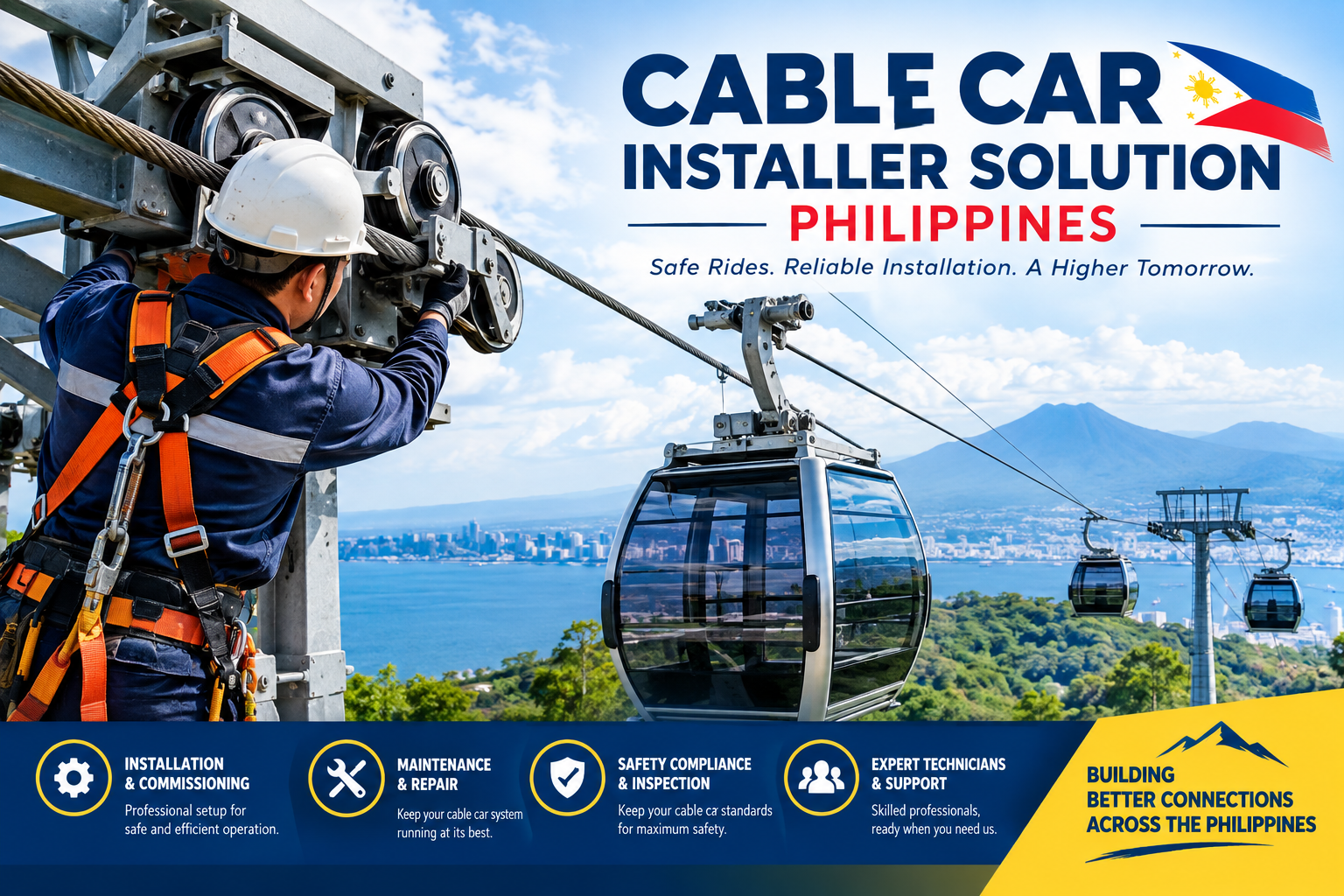
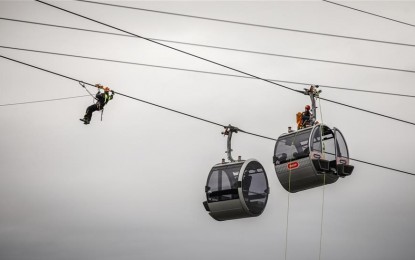
Reliable cable transportation systems require careful engineering, regular inspection, proper servicing, and qualified technical support. A cable car system depends on many mechanical, structural, electrical, and cable-related components working together. Any weakness affecting one component may affect system performance, passenger safety, or operational continuity.
828 Cable System Inc. provides specialized engineering and technical services for rope, height, cable, and load applications across the Philippines and Asia. As a service company founded within the Benedicto Steel Group, the company serves the rigging industry through solutions covering fall protection, height access, ropeway engineering, zipline engineering, cable engineering, and load engineering.
For organizations searching for cable car maintenance philippines, professional technical support can help keep cable transportation equipment properly inspected, serviced, and prepared for continued operation. Maintenance programs can cover wire ropes, sheaves, drive equipment, braking systems, structural components, safety devices, and other essential parts based on the design and operating requirements of each system.
Why Cable Car Maintenance Philippines Matters
Cable cars and passenger ropeways operate through coordinated movement between cables, drives, sheaves, grips, carriers, brakes, controls, and supporting structures. Each component must perform according to its intended function.
Regular cable car maintenance philippines services help identify wear, corrosion, abnormal movement, damaged components, lubrication issues, cable deterioration, and other conditions that may affect operation.
Passenger ropeway standards commonly address design, construction, operation, inspection, testing, and maintenance requirements. CSA Z98, for example, covers passenger ropeways and passenger conveyors across these areas.
A planned maintenance program can help operators:
- Identify equipment wear before major failures occur
- Monitor wire rope condition
- Check mechanical components
- Maintain braking performance
- Inspect cable alignment
- Review safety devices
- Detect abnormal vibration or movement
- Maintain equipment records
- Support reliable daily operation
- Prepare systems for periodic technical inspections
For a cable transportation project, maintenance should match the equipment design, operating conditions, manufacturer requirements, applicable regulations, and recommendations from qualified engineers.
Professional Cable Car Maintenance Philippines Services
Effective cable car maintenance philippines programs should address the complete system rather than focusing only on visible components. A technical inspection may review the cable system, drive assembly, supporting structures, control equipment, passenger carriers, safety systems, and related mechanical components.
828 Cable System Inc. brings experience with wire rope systems, height access equipment, ropeway engineering, and load engineering. This broad technical capability can support projects that require more than routine equipment servicing.
A maintenance program may include inspection, adjustment, lubrication, component replacement, functional testing, engineering assessment, and documentation.
The precise maintenance scope depends on the cable car system, age, operating frequency, environmental exposure, passenger capacity, cable configuration, manufacturer requirements, and site conditions.
Wire Rope Inspection and Maintenance
Wire rope serves as one of the most important components of many cable-based transportation systems. Its condition should receive careful attention during cable car maintenance philippines inspections.
Wire rope can experience fatigue, corrosion, broken wires, deformation, abrasion, lubrication loss, and other forms of deterioration. Repeated loading and movement across sheaves can also affect rope condition over time.
Technical inspection may examine:
- Rope surface condition
- Broken wires
- Corrosion
- Diameter changes
- Abrasion
- Kinks
- Crushing
- Birdcaging
- Lubrication condition
- End connections
- Rope alignment
- Splicing or termination condition
Philippine occupational safety guidance also contains requirements concerning ropes and lifting equipment, such as adequate strength, competent examination, safe working loads, and restrictions concerning excessive visible broken wires.
Cableway rope standards also address rope selection, end fixings, safety factors, discard criteria, installation, inspection, maintenance, and testing methods.
A qualified technical assessment can help determine whether a rope remains suitable for service or requires repair, relocation, or replacement.
Sheave and Pulley Inspection
Sheaves guide and support wire ropes as they move through a cable transportation system. Their condition can directly affect rope movement and equipment performance.
During cable car maintenance philippines, technicians may inspect sheave grooves, bearings, alignment, mounting arrangements, surface wear, lubrication, and rotational movement.
Uneven wear may indicate alignment issues, excessive loading, improper rope positioning, bearing problems, or other mechanical conditions.
Proper sheave inspection can help reduce unnecessary rope wear while supporting smoother system operation.
Drive System Maintenance
The drive assembly supplies the mechanical force required to move the cable system. Depending on the design, the system may contain motors, gearboxes, drive sheaves, couplings, brakes, shafts, bearings, and associated controls.
A cable car maintenance philippines program may assess these components for:
- Abnormal noise
- Excessive vibration
- Oil or lubricant issues
- Bearing wear
- Gearbox condition
- Coupling condition
- Drive sheave wear
- Motor performance
- Brake response
- Shaft alignment
- Fastener condition
Early identification of mechanical problems may help operators plan corrective work before a minor issue develops into a larger equipment problem.
Brake and Safety System Inspection
Braking systems are essential for controlled stopping and safe operation. A cable car system may have service brakes, emergency braking arrangements, anti-rollback systems, overspeed protection, limit switches, or other safety devices depending on its design.
Professional cable car maintenance philippines work should include appropriate inspection and functional testing of safety-related equipment.
Ropeway compliance guidance identifies components such as controllers, stop buttons, overspeed devices, and service brakes as critical safety items requiring regular attention.
Maintenance personnel should verify that safety devices operate according to the approved system design and manufacturer requirements. Any defective safety component should receive immediate technical attention before continued operation.
Cable Alignment and Tension Assessment
Correct cable tension and alignment contribute to smooth movement and proper equipment performance.
During cable car maintenance philippines, engineers may review cable tension, rope position, sheave alignment, support structures, and related mechanical arrangements.
Changes to cable tension may result from operating loads, temperature changes, component wear, structural movement, or other site conditions. Improper tension may affect system performance and place additional stress on mechanical components.
A technical assessment can help determine whether adjustments or corrective work are required.
Structural Inspection for Cable Car Systems
Cable car systems depend on towers, platforms, stations, beams, supports, foundations, and other structural elements. These components carry loads generated by the cable system, carriers, passengers, equipment, wind, movement, and other operating conditions.
A complete cable car maintenance philippines approach should therefore consider structural condition alongside mechanical equipment.
Inspection may review:
- Steel structures
- Bolted connections
- Welded connections
- Tower components
- Station structures
- Support assemblies
- Corrosion
- Deformation
- Foundation condition
- Access platforms
- Guardrails
- Equipment mounting points
Structural concerns should be assessed by appropriately qualified professionals according to the requirements of the project.
Electrical and Control System Checks
Modern cable transportation equipment relies on electrical and control systems for monitoring, operation, communication, emergency stopping, and safety functions.
A cable car maintenance philippines program may include inspection of control panels, sensors, switches, communication equipment, electrical connections, emergency stop systems, and related components.
Control equipment should be checked according to the system design and applicable technical requirements. Any modification should receive proper engineering review before implementation.
Clear operating procedures and functional safety checks can help operators respond appropriately when abnormal conditions occur.
Preventive Maintenance for Cable Cars
Preventive maintenance focuses on scheduled inspection and servicing rather than waiting for equipment failure.
A structured cable car maintenance philippines schedule may contain daily, weekly, monthly, quarterly, annual, or condition-based tasks depending on equipment design and operating requirements.
Daily checks may focus on visible conditions and basic operating performance. More detailed periodic inspections can cover wire ropes, mechanical equipment, safety systems, structural components, electrical controls, and other critical equipment.
Maintenance records should document inspection dates, findings, repairs, replacement parts, testing results, and recommendations.
Good documentation provides operators with a useful history of equipment condition and maintenance activity.
Cable Car Maintenance Philippines for Different Applications
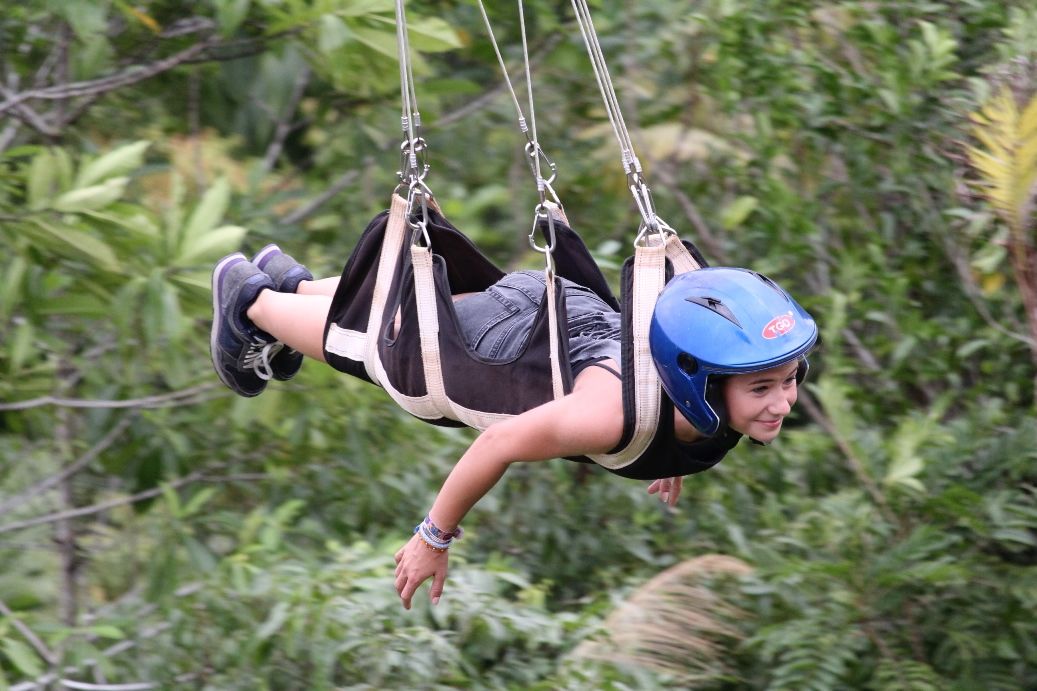
Cable-based transportation systems can serve different applications, including tourism facilities, recreational destinations, industrial sites, infrastructure projects, and specialized transportation systems.
Each application may have different operational requirements.
A tourist cable car may experience frequent passenger loading and unloading, while an industrial ropeway may have different loading cycles and environmental exposure. Recreational systems may also require specialized attention to passenger carriers, grips, emergency procedures, and operating controls.
For this reason, cable car maintenance philippines should be developed according to the actual equipment and operating environment rather than using one generic maintenance program for every project.
Ropeway Engineering and Maintenance Planning
Maintenance works best when considered alongside engineering. Equipment condition, cable configuration, structural loading, system capacity, operating speed, environmental exposure, and component specifications can all affect maintenance requirements.
828 Cable System Inc. provides ropeway engineering capabilities that complement its wire rope and height access services.
For clients requiring cable car maintenance philippines, engineering support can assist with technical assessments, equipment recommendations, system evaluation, installation requirements, and maintenance planning.
Passenger ropeway standards recognize maintenance as part of the broader lifecycle covering design, construction, operation, inspection, and testing.
Importance of Qualified Technical Personnel
Cable car systems contain components that may involve significant mechanical and structural loads. Maintenance should therefore be performed by personnel with suitable technical knowledge, training, and experience.
Wire rope inspection requires an understanding of rope construction, deterioration patterns, loading conditions, end connections, and applicable discard criteria. Cableway rope guidance also identifies visual inspection and specialized examination methods such as magnetic rope testing as part of rope assessment.
For cable car maintenance philippines, qualified personnel can help ensure that inspection findings are properly interpreted and that recommended corrective work matches the actual system condition.
Safety During Maintenance Activities
Maintenance work may expose personnel to moving equipment, elevated areas, electrical systems, heavy components, wire ropes, and stored mechanical energy.
A safe maintenance plan should establish appropriate isolation procedures, access controls, personal protective equipment, communication procedures, and emergency arrangements.
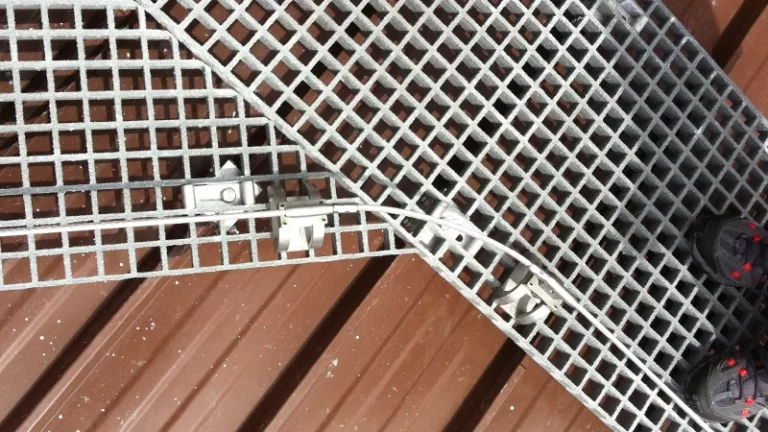
Work at height may also require fall protection and height access equipment. 828 Cable System Inc. offers solutions covering fall arrest systems, height access equipment, walkways, and guardrails, providing complementary support for projects where maintenance personnel must safely access elevated equipment.
Safety planning should always reflect the equipment design, site conditions, applicable regulations, and recommendations from competent professionals.
Cable Car Maintenance Philippines and Emergency Preparedness
Routine maintenance reduces the possibility of unexpected equipment problems, but operators should also maintain emergency procedures for situations such as power loss, equipment malfunction, passenger stoppage, or other operational incidents.
Ropeway safety guidance emphasizes safe passenger movement, system integrity, emergency evacuation planning, safety equipment, and trained operating personnel.
A cable car maintenance philippines program can support emergency preparedness by ensuring that critical equipment remains properly inspected and that maintenance records are available for operational planning.
Emergency exercises can also help personnel understand their responsibilities and response procedures.
Maintenance Records and Inspection Reports
A documented maintenance program provides valuable information about equipment history.
Records for cable car maintenance philippines may include:
- Inspection dates
- Equipment identification
- Wire rope condition
- Component measurements
- Lubrication records
- Safety device tests
- Repairs completed
- Replacement components
- Testing results
- Engineering observations
- Recommended corrective actions
- Next inspection schedules
Detailed records can help operators identify recurring problems and make better maintenance decisions.
Documentation may also support regulatory inspections, internal safety reviews, insurance requirements, and long-term asset management.
Choosing a Cable Car Maintenance Philippines Service Provider
Selecting a technical service provider requires more than checking whether a company can supply equipment. Cable transportation systems require knowledge of wire ropes, mechanical equipment, structural loads, safety systems, installation practices, and operational requirements.
When evaluating a provider for cable car maintenance philippines, consider:
- Experience with wire rope systems
- Ropeway engineering capability
- Height access expertise
- Technical inspection experience
- Equipment supply capability
- Installation capability
- Understanding of load engineering
- Availability of qualified personnel
- Maintenance documentation
- Safety procedures
- Project-specific engineering support
828 Cable System Inc. offers a combination of ropeway, cable, height, fall protection, and load engineering services, making it suitable for projects requiring coordinated technical support.
828 Cable System Inc. for Cable and Ropeway Engineering
828 Cable System Inc. was established within the Benedicto Steel Group to serve the rigging industry and provide specialized wire rope-related services.
Its service portfolio includes:
- Fall Protection Systems
- Height Access Solutions
- Ropeway Engineering
- Zipline Engineering
- Cable Engineering
- Load Engineering
- Overhead Crane Solutions
- Gantry Crane Solutions
- Jib Crane Solutions
- Automatic Hooks
This range of capabilities allows clients to seek technical assistance for projects involving rope, height, cable mobility, lifting, and specialized engineering requirements.
For cable car maintenance philippines, the company can provide technical support suited to project requirements, equipment condition, and system configuration.
Takeaway
Reliable cable transportation requires consistent inspection, preventive maintenance, engineering review, and qualified technical support. Wire ropes, sheaves, drives, brakes, structural components, controls, safety devices, and related equipment all require attention throughout a system’s operating life.
A professional cable car maintenance philippines program can help operators monitor equipment condition, identify potential problems, schedule corrective work, maintain documentation, and support safe system operation.
828 Cable System Inc. provides specialized engineering and service capabilities covering ropeway systems, cable engineering, height access, fall protection, zipline engineering, and load engineering. Its experience with wire rope-related projects provides a strong foundation for organizations seeking technical solutions for cable transportation and related applications.
For a new installation, existing system assessment, scheduled servicing, or specialized engineering requirement, a project-specific evaluation is recommended before maintenance activities begin.
Frequently Asked Questions About Cable Car Maintenance Philippines
What does cable car maintenance Philippines usually cover?
Cable car maintenance philippines may cover wire rope inspection, sheaves, drive systems, brakes, bearings, structural components, electrical controls, safety devices, cable alignment, tension, lubrication, and functional testing. The exact scope depends on the cable car design and manufacturer requirements.
How often should a cable car system receive maintenance?
Maintenance frequency depends on equipment design, operating hours, passenger volume, environmental conditions, manufacturer instructions, and applicable safety requirements. Daily operational checks may be combined with periodic detailed inspections and scheduled servicing.
Why is wire rope inspection important?
Wire rope carries substantial loads and may experience fatigue, corrosion, abrasion, broken wires, deformation, or other deterioration. Regular inspection helps identify conditions that may require corrective action or rope replacement.
Can 828 Cable System Inc. support ropeway engineering projects?
Yes. 828 Cable System Inc. provides ropeway engineering, cable engineering, zipline engineering, height access, fall protection, and load engineering services for specialized projects.
Does cable car maintenance include safety equipment?
A maintenance program may include inspection and functional testing of safety-related equipment such as emergency stops, brakes, overspeed devices, switches, controls, and other protective components, subject to the system design and applicable requirements.
Can cable car maintenance support tourism facilities?
Yes. Tourism facilities using cable cars, ropeways, or similar passenger transportation systems can benefit from scheduled inspection, preventive maintenance, technical assessment, and engineering support.
What should operators do when a cable rope shows visible damage?
The equipment should be assessed by qualified technical personnel before continued operation. Rope condition should be evaluated according to the applicable inspection criteria, manufacturer requirements, system design, and relevant safety standards.
Why choose an engineering-focused company for cable car maintenance Philippines?
An engineering-focused provider can assess equipment condition alongside system loads, cable configuration, mechanical components, structural requirements, and safety considerations. This broader technical approach can help operators make informed maintenance and repair decisions.
Can maintenance services be combined with height access solutions?
Yes. Cable car and ropeway maintenance may require personnel to reach elevated towers, platforms, cable routes, and mechanical equipment. Height access and fall protection systems can support safer access for inspection and maintenance work.
What makes preventive maintenance valuable for cable car systems?
Preventive maintenance allows equipment condition to be monitored before failures occur. Scheduled inspection and servicing can help identify wear, deterioration, alignment problems, lubrication issues, and safety concerns while supporting better maintenance planning.
How can companies request cable car maintenance Philippines services?
Companies can provide details about the cable car or ropeway system, location, equipment type, operating conditions, maintenance history, known issues, and required services. A qualified technical team can then assess the project and determine an appropriate inspection or maintenance scope.