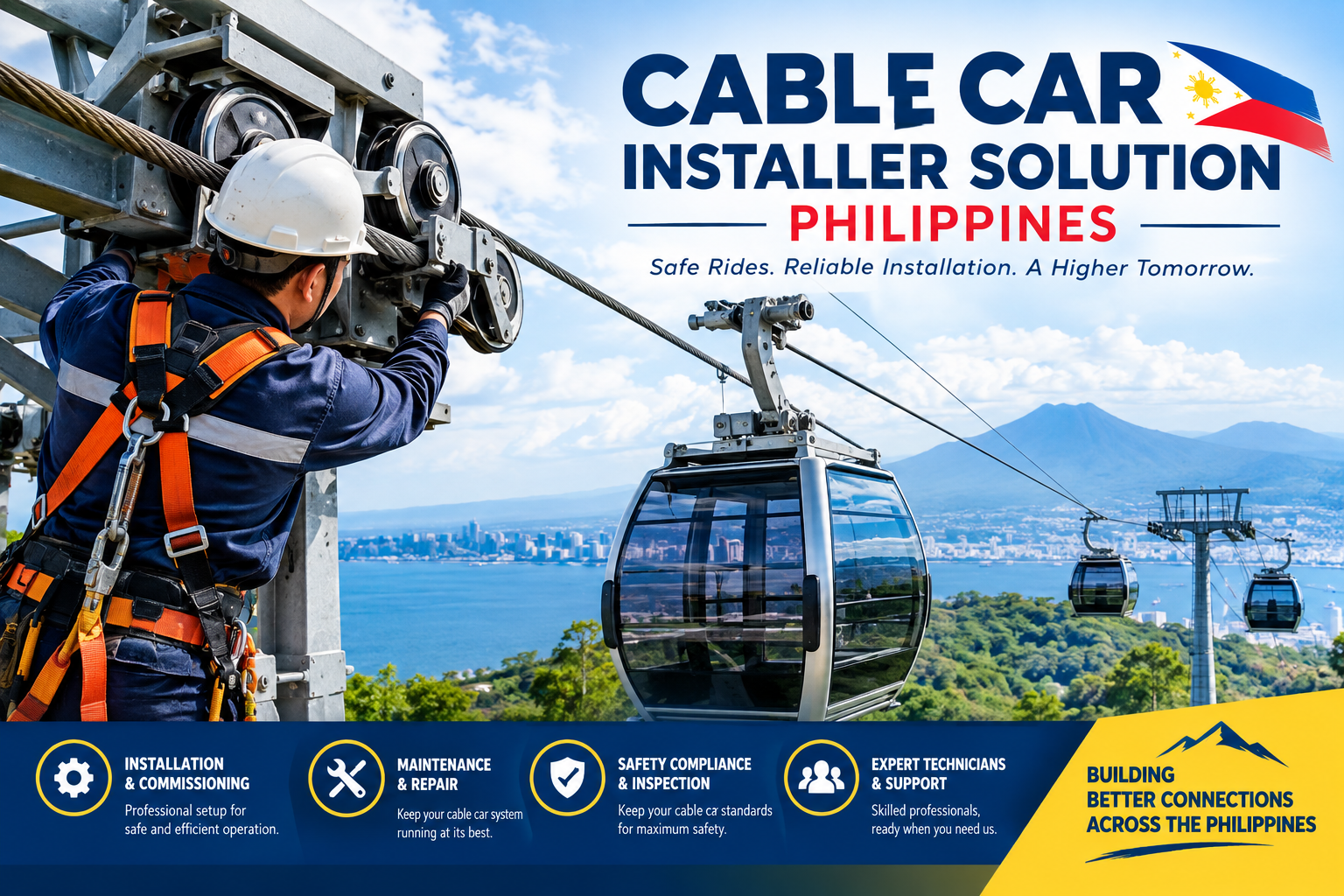
Cable car transportation can provide an efficient way to move people across locations where steep slopes, large elevation changes, or difficult terrain make conventional transportation challenging. Across the Philippines, this type of system can have potential applications in tourism destinations, resorts, recreational developments, private estates, and specialized transportation projects. However, a cable car is a complex transportation system that requires careful coordination between structural components, mechanical equipment, electrical controls, passenger facilities, and safety systems. Choosing the right cable car installer solution Philippines provider is therefore an important step for developers and project owners planning a ropeway installation. A professional installation approach starts with understanding the site, determining transportation requirements, developing appropriate engineering plans, and selecting compatible equipment. It also continues through installation, testing, commissioning, operator training, inspection, and maintenance. When every stage is properly coordinated, project owners can establish a clearer pathway toward developing a functional and site-appropriate cable transportation system.
What Makes Cable Car Installation a Specialized Project?
Cable car installation is a specialized construction and engineering activity because the completed system needs to transport passengers safely while operating across an elevated route. Unlike ordinary construction equipment, a cableway combines moving machinery with suspended passenger carriers and supporting structures. Towers must be positioned according to the planned route and designed to accommodate the forces associated with the system. Ropes need to be selected and installed according to their intended application, loading conditions, spans, and operating requirements. Drive machinery must work together with braking, control, and tensioning systems to produce controlled movement. Passenger cabins and terminal stations must also be integrated into the overall system rather than installed as independent structures. These factors make technical experience an important consideration when selecting a cable car installer solution Philippines provider.
Starting With a Detailed Site Evaluation
A site evaluation provides essential information before detailed cable car design begins. Engineers and project planners need to examine the proposed route, elevation changes, terrain, access points, existing structures, and possible station locations. The positions of towers can be influenced by the physical characteristics of the property and the required cable profile. Soil and ground conditions are also relevant because towers and terminals need appropriately designed foundations. Weather conditions should be considered when evaluating the proposed system, especially for locations exposed to strong winds or heavy rainfall. Construction access can also influence how towers, machinery, cables, cabins, and other large components are transported to the site. A detailed site evaluation allows the installation team to identify practical challenges early and incorporate them into the project design.
Designing the Right Cable Car Configuration
There is no single cable car configuration suitable for every project. The appropriate arrangement depends on route length, elevation, passenger requirements, station locations, operating conditions, terrain, and other project-specific factors. Designers may need to evaluate different approaches before establishing the most suitable system configuration. Passenger capacity is particularly important because it affects cabin size, operating frequency, station requirements, and system performance. The desired travel time between stations can also influence equipment selection and operational planning. Maintenance access and emergency provisions should be considered during the design stage rather than added after construction. A qualified cable car installer solution Philippines provider can coordinate these factors with engineers and project stakeholders to develop a system based on the actual requirements of the site.
Essential Cable Car Components
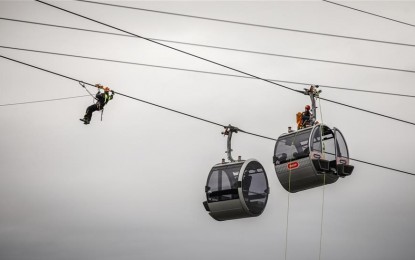
A cable car system depends on several major components working together. Supporting towers provide structural support along the route and help maintain the appropriate cable position. Ropes provide the primary connection between the terminal stations and passenger carriers, depending on the specific ropeway configuration. Drive equipment supplies the mechanical power needed to move the system, while braking equipment provides controlled stopping and operational protection. Tensioning equipment helps maintain appropriate rope conditions as loads and environmental factors change. Passenger cabins are designed to carry users between stations and may include doors, restraints, communication equipment, and other passenger-focused features. Terminal stations contain important mechanical and operational equipment while providing controlled areas for passenger loading and unloading.
Structural Requirements for Towers and Stations
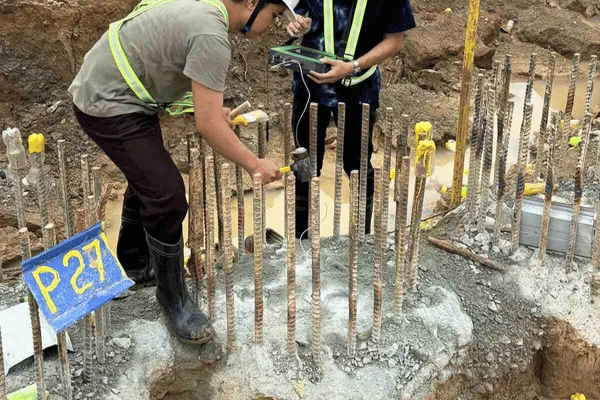
The supporting structures of a cable car system are among the most important elements of the installation. Towers need to withstand the forces produced by the ropes, moving cabins, environmental conditions, and other anticipated loads. Their spacing and positioning must correspond with the engineered cable route. Foundations need to be designed around the ground conditions and structural loads expected at each location. Terminal structures also require careful planning because they may accommodate drive equipment, tensioning systems, passenger circulation areas, controls, and maintenance access. Construction teams must follow approved engineering plans and installation requirements when building these structures. Changes made during construction should be reviewed by the appropriate technical professionals before implementation. Proper structural planning gives the rest of the cable car system a stable foundation on which mechanical and electrical components can operate.
Mechanical and Electrical System Integration
Mechanical and electrical integration is another important part of cable car installation. The drive system, motors, gearboxes, brakes, ropes, sheaves, and tensioning equipment need to function as a coordinated mechanical assembly. Electrical systems provide power and control functions for the drive equipment, monitoring devices, sensors, communications, and other components. Control systems can monitor operating conditions and help operators manage system movement. Electrical installations also need to follow applicable Philippine requirements and professional engineering responsibilities. Republic Act No. 7920 establishes provisions concerning the practice of electrical engineering in the Philippines, including responsibilities involving electrical plans, specifications, installations, and supervision where covered by the law. (issuances-library.senate.gov.ph) Because mechanical and electrical systems interact continuously during operation, they should be planned together instead of being treated as separate installations.
Passenger Safety and Emergency Planning
Passenger safety needs to remain a central consideration throughout cable car design and installation. A system can include braking mechanisms, emergency stopping functions, communication equipment, monitoring devices, passenger restraints, station controls, and emergency evacuation provisions. The exact combination depends on the ropeway type, operating environment, applicable standards, and engineering requirements. Emergency planning should account for unusual operating conditions and potential situations in which passengers cannot immediately reach a terminal station. Operators and maintenance personnel should understand the emergency procedures associated with the particular installation. Equipment access should also allow authorized personnel to perform inspections and maintenance without unnecessary exposure to hazards. A professional installer should explain the safety systems included in the proposed configuration and identify how those systems are tested before regular passenger operations begin.
The Role of Professional Installation
Professional installation helps ensure that the components specified during engineering are assembled according to their intended configuration. Installation crews may need to work with heavy machinery, elevated structures, ropes, electrical equipment, mechanical assemblies, and passenger facilities. Each stage can require specialized knowledge and coordination with civil and structural contractors. Cable installation itself can require controlled procedures because positioning, tensioning, alignment, and connections are important to system performance. Mechanical components need to be properly aligned and secured before operational testing. Electrical controls and safety devices also need to be connected and tested according to the system’s technical requirements. An experienced cable car installer solution Philippines provider can help coordinate these activities and maintain communication between the various project teams.
Testing Before Passenger Operations
Testing and commissioning provide an opportunity to evaluate the completed installation before passengers use the system. The testing process can examine mechanical movement, braking functions, control systems, electrical equipment, communications, station operations, and other relevant components. The system may also undergo inspections to identify installation issues that need correction. Test procedures should be established around the equipment manufacturer’s requirements, approved engineering documentation, applicable standards, and project-specific requirements. Documentation is valuable because it records what was tested and helps establish a technical history for future maintenance. Any identified deficiencies should be addressed and verified before the system enters regular service. Careful commissioning gives project owners, operators, engineers, and installers a structured process for confirming that the completed installation is ready for its intended operating environment.
Applications for Philippine Tourism and Development Projects
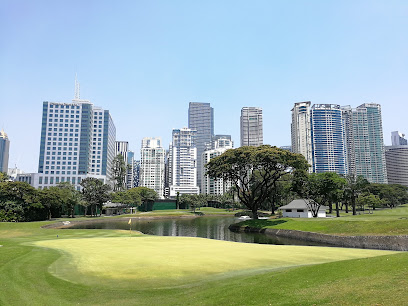
The Philippines has numerous mountainous and elevated areas where cable transportation can potentially serve a practical or recreational function. Resorts may use cable cars to connect different areas of a property while reducing the need for steep road access. Tourism destinations may incorporate aerial transportation as part of a visitor experience while connecting passengers to elevated attractions. Recreational facilities can also consider ropeway systems where conventional pathways would require substantial terrain modification. Private developments with significant elevation differences may explore cable transportation as one option for internal mobility. The suitability of such a system depends on technical feasibility, passenger demand, site conditions, investment requirements, environmental considerations, and applicable regulations. Historical Philippine legislation includes Republic Act No. 5045, which authorized an aerial ropeway cable car service for Tagaytay, providing an example of aerial ropeway infrastructure being addressed in Philippine legislation. (elibrary.judiciary.gov.ph)
Maintenance Planning for Long-Term Performance
Maintenance planning should be established before a cable car begins regular operation. Ropes, sheaves, drive equipment, braking systems, towers, cabins, controls, electrical equipment, and station components can all require scheduled inspection. Maintenance requirements vary according to equipment specifications, operating frequency, environmental exposure, and applicable technical requirements. Preventive maintenance can help identify wear or developing issues before they become larger operational concerns. Maintenance records should document inspections, repairs, component replacement, testing, and other technical activities. Operators should also know which components require specialized servicing and which spare parts need to be maintained or sourced. A cable car installer that provides continuing technical support can help project owners establish a maintenance framework suited to the installed system.
How to Select a Cable Car Installer in the Philippines
Choosing an installer requires careful consideration because the quality of installation can affect the system’s operation throughout its service life. Project owners should examine the provider’s technical experience and ability to coordinate structural, mechanical, electrical, and safety requirements. It is useful to ask whether the company performs site assessments and participates in system engineering or works alongside qualified engineering teams. Prospective clients should also request information about installation procedures, testing, commissioning, documentation, and maintenance support. The availability of technical personnel after commissioning can be important when equipment requires inspection, adjustment, or replacement. A detailed proposal should clearly identify which services are included and which responsibilities remain with other contractors. Evaluating these factors can help project owners select an installation partner that matches the complexity and requirements of their proposed cable car project.
Questions to Address Before Installation Begins
Before committing to a cable car project, project owners should gather as much technical information as possible. The proposed route, elevation difference, passenger capacity, number of stations, expected operating schedule, and intended use should be clearly established. Site drawings and survey information can help engineers understand the physical environment. The project team should also identify the required civil works, structural foundations, mechanical equipment, electrical infrastructure, safety provisions, and passenger facilities. Questions about testing, commissioning, operator training, maintenance, spare parts, and technical support should be discussed before signing an installation agreement. Applicable permits, inspections, professional responsibilities, and regulatory requirements should also be identified at an early stage. This preparation allows developers and installers to establish clearer expectations and reduce avoidable project coordination problems.
FAQ About Cable Car Installer Solution Philippines
What is a cable car installer solution Philippines service?
A cable car installer solution can cover different stages of a ropeway project depending on the provider’s capabilities and contractual scope. Services may include site assessment, technical planning, equipment supply, installation, mechanical and electrical integration, testing, commissioning, and maintenance support. Some installers specialize in particular components, while others coordinate a broader project package. Project owners should request a written scope of work before selecting a provider. The document should explain who handles engineering, civil works, equipment procurement, installation, testing, and ongoing maintenance. This makes responsibilities easier to identify throughout the project. It also helps ensure that important technical activities are not overlooked.
How is a cable car system planned for a Philippine site?
Planning normally begins with an assessment of the proposed route and site conditions. Engineers can evaluate terrain, elevation changes, station locations, foundation requirements, access, environmental conditions, and existing infrastructure. Passenger demand and operating requirements are then considered when determining the appropriate system configuration. The project team can develop engineering drawings and equipment specifications based on the collected information. Safety and emergency provisions should be incorporated into the design. Applicable Philippine requirements and project-specific approvals should also be identified. The resulting plan can then guide procurement, construction, installation, testing, and commissioning.
What components are required for a cable car system?
A typical cable car system can include towers, ropes, passenger cabins, terminal stations, drive equipment, braking systems, tensioning equipment, electrical controls, communication systems, and monitoring devices. The exact components depend on the selected ropeway configuration. Supporting structures must be designed for the expected loads and site conditions. Mechanical equipment must be compatible with the ropes and passenger carriers. Electrical and control systems need to coordinate with the mechanical equipment and safety systems. Stations also require appropriate passenger circulation and operational facilities. A qualified project team can determine the specific equipment requirements after evaluating the site and transportation objectives.
Does cable car installation require engineering services?
Yes, cable car projects typically involve multiple engineering disciplines. Structural engineering may be needed for towers, foundations, and stations. Mechanical engineering is relevant to drive equipment, ropes, braking systems, and moving components. Electrical engineering is important for power supplies, motors, controls, sensors, communications, and other electrical installations. The applicable Philippine professional requirements should be identified for the specific project. Engineering documentation can also provide a technical basis for construction and installation activities. Coordinating these disciplines is important because all major components must work together as a single transportation system.
How often does a cable car system require maintenance?
The maintenance schedule depends on the system design, equipment manufacturer’s instructions, operating frequency, environmental conditions, and applicable requirements. Some components may require routine inspection, while others may require periodic servicing or replacement. Ropes, braking systems, mechanical assemblies, electrical equipment, towers, cabins, and station equipment should be incorporated into the maintenance program. Operators should maintain records of inspections and repairs. Any unusual equipment behavior should be investigated by appropriately qualified personnel. Preventive maintenance can help identify developing issues early. The installer or equipment manufacturer may provide specific maintenance recommendations for the installed system.
Takeaway
A cable car project involves a combination of engineering, construction, mechanical installation, electrical integration, passenger facilities, safety planning, testing, and long-term maintenance. The Philippine environment can present diverse terrain and weather conditions, making site-specific planning particularly important. Project owners should establish the intended route, passenger capacity, operating requirements, station locations, and site conditions before selecting the system configuration. Professional installation should follow appropriate engineering documentation, manufacturer requirements, safety procedures, and applicable Philippine regulations. Testing and commissioning should be treated as essential project stages rather than simple final checks. Long-term maintenance and technical support should also be considered when selecting an installer. For developers, tourism operators, construction companies, and infrastructure planners, choosing an experienced cable car installer solution Philippines provider can help coordinate the technical requirements involved in developing a complete ropeway transportation system.