Working at height is a routine part of operations in many shops, warehouses, factories, and commercial facilities throughout Myanmar. Whether employees are servicing overhead equipment, organizing inventory on elevated racks, performing roof maintenance, or accessing mezzanine floors, the risk of falls remains one of the most significant workplace hazards. Investing in a reliable shop fall protection system in Myanmar is one of the most effective ways businesses can create a safer working environment while improving operational efficiency.
A properly designed fall protection system does more than provide workers with safety equipment. It creates a complete safety solution that combines engineered anchor points, lifelines, harnesses, lanyards, training, inspections, and rescue planning. As businesses across Myanmar continue to modernize their facilities and place greater emphasis on workplace safety, selecting the right fall protection system has become an essential business decision. Understanding the available options, their applications, and the factors involved in choosing the right system helps organizations protect employees while supporting long-term productivity.
Why Shop Fall Protection Systems Matter in Myanmar
Every workplace that involves elevated tasks presents potential fall hazards. Employees may be required to climb ladders, work on elevated storage systems, access rooftop equipment, or maintain overhead machinery. Without appropriate protection, these routine tasks can expose workers to serious risks that may lead to injuries, project delays, equipment damage, and costly downtime.
A dependable shop fall protection system in Myanmar provides continuous protection while allowing workers to perform their duties with greater confidence. Businesses that invest in quality safety systems demonstrate a commitment to employee welfare, which often improves workplace morale and encourages better compliance with established safety procedures. Reliable fall protection also minimizes operational disruptions by reducing accident-related delays and helping maintain consistent productivity. As industries continue to expand throughout Myanmar, workplace safety has become an important factor in maintaining efficient business operations.
What Is a Shop Fall Protection System?
A shop fall protection system is a comprehensive safety solution designed to prevent falls or safely arrest a fall before serious injury occurs. Rather than relying on a single piece of equipment, these systems integrate multiple safety components that work together to protect employees during elevated work activities. Proper system design considers the work environment, structural integrity, worker mobility, and potential fall hazards.
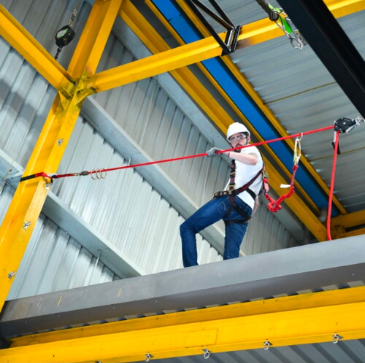
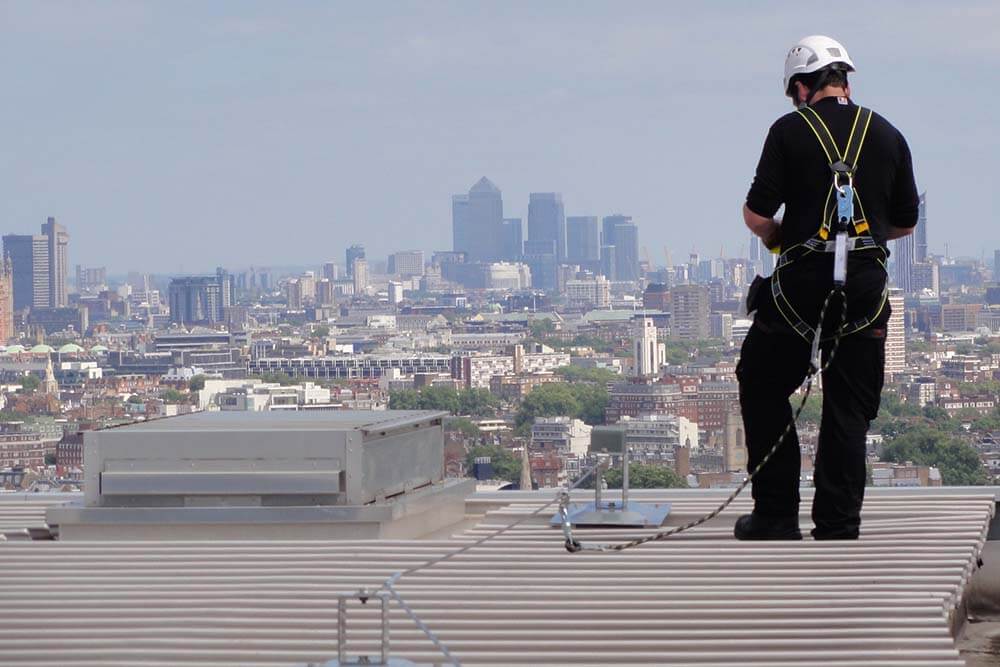
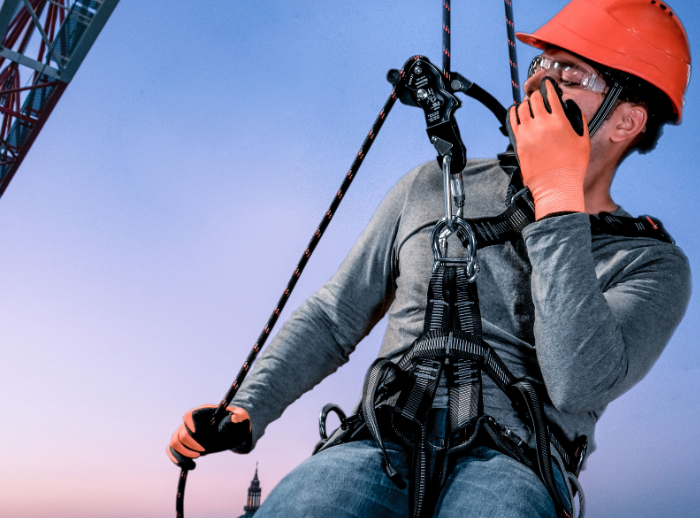
Most systems include permanent or temporary anchor points, horizontal or vertical lifelines, full-body harnesses, shock-absorbing lanyards, and self-retracting lifelines. Together, these components create a secure connection between the worker and the structure. The goal is not only to stop falls but also to provide continuous protection while employees move throughout their work area. A professionally designed system supports safer work practices without significantly limiting productivity or mobility.
Common Areas That Require Fall Protection in Shops
Many business owners underestimate the number of locations within a commercial facility that require fall protection. Elevated work occurs in numerous areas, often during routine maintenance or inventory management. Identifying these locations is the first step toward creating a safer workplace.
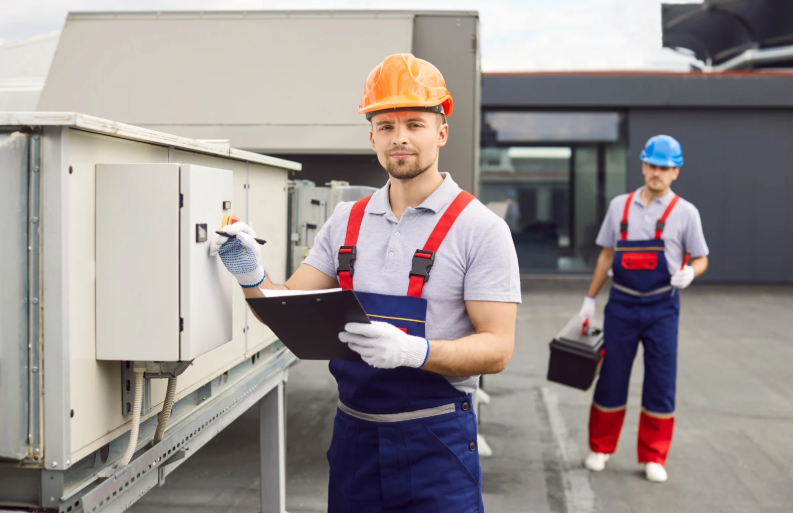
Common areas include warehouse racking systems where workers retrieve inventory from elevated shelves. Roof access points also present risks during HVAC servicing, electrical maintenance, or roof inspections. Loading docks require protection when workers perform repairs or inspections above ground level. Mezzanine floors often involve material handling tasks that expose employees to open edges. Maintenance personnel may also access ceiling-mounted equipment, lighting fixtures, ventilation systems, or overhead conveyors. Ladder access zones represent another area where proper fall protection significantly improves worker safety. Conducting a thorough site assessment allows businesses to identify every elevated work area that requires appropriate protection.
Essential Components of a Shop Fall Protection System
Every complete shop fall protection system in Myanmar consists of carefully selected equipment designed to function together as an integrated safety solution. Each component serves a unique purpose while supporting overall worker protection.
Anchorage systems provide the secure structural connection required for all fall arrest equipment. These anchors may be permanently installed or designed for temporary use depending on the work environment. Horizontal lifeline systems allow workers to move freely across larger workspaces while remaining continuously connected. Vertical lifeline systems offer dependable protection when employees climb ladders or access elevated structures.
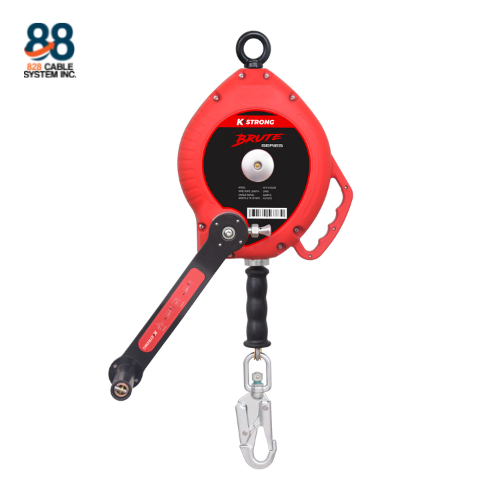
Full-body harnesses distribute fall arrest forces across the strongest areas of the body, reducing the risk of serious injury. Shock-absorbing lanyards help minimize impact forces during a fall by gradually dissipating energy. Self-retracting lifelines automatically adjust to worker movement while rapidly locking during a fall, reducing fall distance and improving safety. When all these components are properly selected and maintained, they create a highly effective protection system suitable for many commercial applications.
Industries in Myanmar That Benefit from Shop Fall Protection Systems
Fall protection is valuable across many industries operating throughout Myanmar. Manufacturing facilities regularly perform maintenance on production equipment, overhead machinery, and elevated platforms. Warehousing operations require employees to access high storage racks and elevated inventory locations throughout the workday. Automotive workshops often involve servicing large vehicles or elevated equipment that places workers above ground level.
Retail maintenance teams may perform lighting replacements, signage installation, or ceiling repairs requiring elevated access. Food processing plants rely on fall protection during equipment inspections and maintenance procedures. Logistics centers benefit from safer loading dock operations and warehouse maintenance activities. Engineering contractors performing facility upgrades also depend on reliable fall protection systems. Regardless of industry, any organization that requires employees to work at height can improve workplace safety through professionally designed fall protection solutions.
Key Benefits of Installing a Shop Fall Protection System in Myanmar
Installing a quality shop fall protection system in Myanmar provides benefits that extend well beyond regulatory compliance. The most important advantage is protecting workers from potentially life-threatening falls while they perform routine job responsibilities. Employees who feel safe while working often perform tasks more efficiently because they can focus on their responsibilities rather than worrying about workplace hazards.
Businesses also benefit from reduced accident-related downtime, lower equipment damage risks, and improved operational continuity. Well-maintained safety systems contribute to better workforce morale because employees recognize that their well-being is a company priority. Investing in fall protection can also reduce long-term costs associated with workplace incidents, medical expenses, and lost productivity. A strong safety culture enhances an organization’s professional reputation among customers, contractors, and employees while supporting sustainable business growth.
Factors to Consider Before Purchasing a Shop Fall Protection System in Myanmar
Selecting the right fall protection system requires careful planning rather than purchasing equipment based solely on price. Businesses should first evaluate the specific tasks employees perform, including working heights, movement patterns, and frequency of elevated work. Structural compatibility is another important consideration since anchor systems must be installed on suitable load-bearing structures.
Organizations should also determine how many workers will use the system simultaneously and whether future facility expansion may require additional protection points. Environmental conditions such as humidity, dust, chemicals, or outdoor exposure may influence equipment selection. Ease of inspection, maintenance requirements, replacement part availability, and long-term durability should also be considered during the purchasing process. Consulting experienced fall protection specialists helps ensure the selected system matches both current operational needs and future business requirements.
Choosing the Right Shop Fall Protection System Supplier in Myanmar
The quality of a fall protection system depends not only on the equipment itself but also on the expertise of the supplier providing the solution. Businesses should work with suppliers that offer professionally engineered systems rather than simply selling individual products. An experienced supplier evaluates facility layouts, identifies potential hazards, and recommends solutions that align with operational requirements.
Reliable suppliers also provide installation support, worker training, technical guidance, and ongoing maintenance services. Access to replacement components ensures equipment remains operational throughout its service life. Organizations should also consider suppliers with extensive experience serving manufacturing facilities, warehouses, commercial shops, and industrial environments. Partnering with knowledgeable professionals helps ensure every component functions together as a complete safety solution designed for long-term reliability.
Best Practices for Safe Use of Shop Fall Protection Systems
Even the highest-quality equipment requires proper use to provide effective protection. Workers should inspect harnesses, lanyards, connectors, and anchor points before every use to identify signs of wear or damage. Routine inspections performed by qualified personnel help detect issues that may not be immediately visible during daily checks.
Employee training is equally important because workers must understand proper equipment fitting, connection procedures, and emergency response protocols. Rescue planning should be established before elevated work begins to ensure prompt assistance if a fall occurs. Inspection records should be maintained to document equipment condition and scheduled maintenance activities. Damaged components should be removed from service immediately rather than repaired without manufacturer approval. Consistent adherence to these best practices significantly improves workplace safety while extending equipment lifespan.
Common Mistakes Businesses Should Avoid
Several common mistakes reduce the effectiveness of fall protection systems despite good intentions. Some businesses purchase equipment without conducting a complete hazard assessment, resulting in systems that do not fully address workplace risks. Others focus only on equipment cost rather than quality, durability, or engineering support.
Using incompatible components from different manufacturers may compromise system performance and create unnecessary hazards. Delaying inspections or continuing to use damaged harnesses and lanyards increases the likelihood of equipment failure. Inadequate worker training often results in incorrect equipment use despite having quality products available. Ignoring rescue planning also creates additional risks following a fall event. Avoiding these common mistakes allows organizations to maximize both worker protection and equipment performance.
Future Trends in Shop Fall Protection Systems in Myanmar
Technology continues to improve workplace safety through innovative fall protection solutions. Lightweight materials are making harnesses more comfortable for extended use while maintaining high levels of durability. Smart inspection technologies now help organizations monitor equipment condition and maintenance schedules more efficiently. Connected safety systems can simplify documentation and improve compliance tracking.
Modular lifeline systems offer greater flexibility for facilities that frequently change production layouts or storage configurations. Manufacturers are also developing equipment that improves worker mobility without sacrificing protection. As Myanmar’s industrial sector continues to develop, businesses are increasingly recognizing the value of engineered fall protection solutions that combine safety, efficiency, and long-term reliability. This growing emphasis on proactive workplace safety is expected to drive wider adoption of modern fall protection systems across commercial and industrial facilities.
Frequently Asked Questions
What is a shop fall protection system?
A shop fall protection system is a combination of safety equipment and engineered solutions designed to protect workers performing tasks at height. It typically includes anchor points, harnesses, lifelines, lanyards, and connectors that work together to prevent or arrest falls.
Which businesses in Myanmar should install a shop fall protection system?
Manufacturing plants, warehouses, logistics facilities, automotive workshops, commercial buildings, maintenance contractors, retail stores, and industrial facilities that involve elevated work should consider installing appropriate fall protection systems.
What equipment is included in a complete fall protection system?
A complete system generally includes anchor points, horizontal or vertical lifelines, full-body harnesses, shock-absorbing lanyards, self-retracting lifelines, connectors, and inspection accessories designed to work together safely.
How often should fall protection equipment be inspected?
Workers should visually inspect equipment before each use, while qualified personnel should perform detailed inspections according to manufacturer recommendations and workplace safety procedures.
Can a shop fall protection system be customized for different facilities?
Yes. Professional suppliers can design customized systems based on building layouts, structural conditions, work activities, employee movement, and industry-specific requirements.
What should businesses look for when choosing a fall protection supplier in Myanmar?
Look for suppliers that provide certified products, engineering expertise, installation support, employee training, maintenance services, technical assistance, and reliable after-sales support to ensure long-term system performance.
Takeaway
Choosing the right shop fall protection system in Myanmar is an investment in worker safety, operational efficiency, and long-term business performance. A professionally designed system protects employees performing elevated tasks while helping organizations reduce workplace risks, improve productivity, and maintain dependable operations. By selecting quality equipment, partnering with experienced suppliers, conducting regular inspections, and providing ongoing employee training, businesses can create safer workplaces that support sustainable growth for years to come.