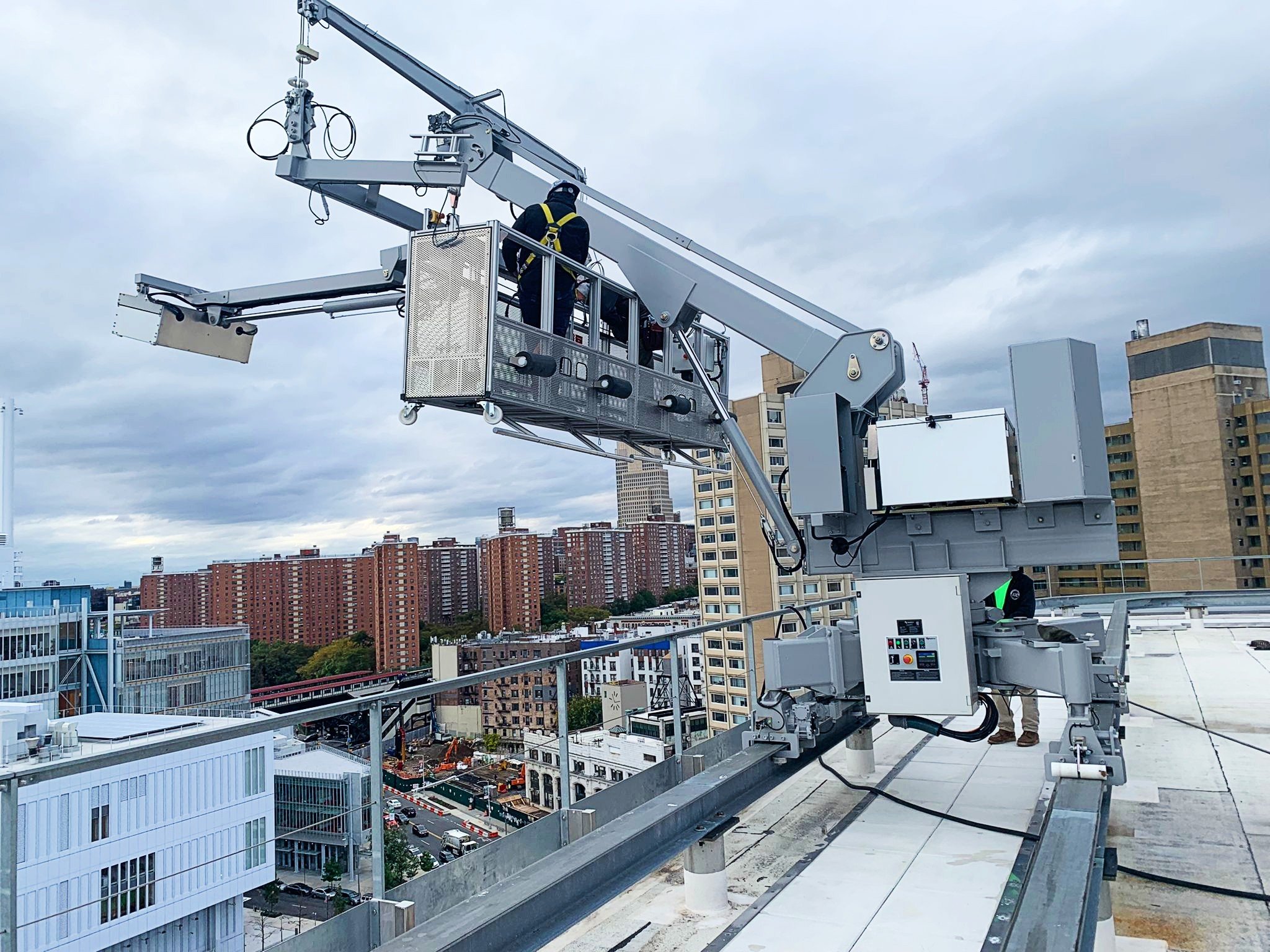
High-rise properties, commercial towers, hospitals, hotels, and complex facilities require more than occasional exterior cleaning. Facades must remain safe, presentable, and accessible for repairs, inspections, glass replacement, sealant work, and planned upkeep. A well-designed building maintenance system in Australia gives trained crews controlled access to difficult exterior areas while supporting safer work at height.
GROXX GEARS provides heavy-duty access and safety solutions for demanding Australian projects. Its product range supports facade care, suspended access, fall arrest, rigging, and building upkeep tasks where equipment quality cannot be left to chance. Every building presents a different set of access challenges, so equipment selection must reflect roof layout, facade shape, working height, load requirements, and expected maintenance activity.
A suitable building maintenance system in Australia can help property owners, facility teams, engineers, and contractors manage exterior work with greater control. It can also reduce reliance on temporary scaffolding for recurring tasks. From roof-level travel to suspended platforms and secure lifeline systems, each component should contribute to safer movement, stable positioning, and dependable daily operation.
What Is a Building Maintenance System?
A building maintenance system is a group of access, suspension, anchorage, and safety components created to help workers reach exterior sections of a structure. These systems may support facade cleaning, glass replacement, painting, sealant repair, cladding checks, structural assessment, and other building care tasks. A Building Maintenance Unit, often called a BMU, may form the core of that setup for tall or complex properties.
A BMU can include a roof-mounted machine, track, cradle, hoist, platform, cables, control system, anchors, and backup safety equipment. Some properties may require davit arms or portable suspension points rather than a permanent roof machine. Others may need a combined system that allows access across several roof zones or facade faces.
The right building maintenance system in Australia should match actual maintenance needs rather than follow a generic equipment package. A straight glass tower may need a different setup from a property with setbacks, sloped sections, canopies, recessed panels, or projecting architectural features. Careful planning helps workers reach required areas without unsafe repositioning or unnecessary manual handling.
Why Australian Properties Need Reliable Access Systems
Australian buildings face strong sun, heavy rain, coastal air, dust, wind, and rapid weather changes. These conditions can affect glass, cladding, sealants, fixings, painted surfaces, and structural joints. Regular checks and timely repair work help property teams identify wear before it develops into a larger maintenance issue.
A reliable building maintenance system in Australia gives service crews repeatable access to exterior work zones. That consistency matters for properties that need scheduled window cleaning, annual facade checks, periodic sealant work, or urgent glass replacement. Easy access can also help maintenance teams respond faster after storms, impact damage, or visible surface deterioration.
Temporary scaffolding may remain suitable for major repair projects, yet it can be costly, disruptive, and slow for routine work. Suspended access equipment often provides a more practical option for recurring facade tasks. Properly selected systems can reduce setup demands, limit disruption around entrances, and help crews complete work with better reach.
Common Tasks Supported by Building Maintenance Systems
A building maintenance system in Australia can support many exterior property tasks. Facade cleaning remains one of the most common uses, especially for office towers, hotels, hospitals, shopping centres, residential buildings, and mixed-use developments. Regular cleaning protects property appearance and gives crews a closer view of surface condition.
Glass replacement requires secure worker positioning and careful control of tools, suction equipment, replacement panels, and lifting gear. Access equipment must account for worker weight, platform capacity, material loads, and facade clearance. Stable working positions help crews manage damaged glass with fewer uncontrolled movements.
Structural checks also depend on reliable access. Workers may need to examine cladding panels, joints, fixings, sealants, drainage points, cracks, corrosion, or water entry locations. A suitable platform allows closer visual assessment and may support minor testing or repair tasks.
Exterior painting, waterproofing, joint repair, signage work, and facade restoration can also benefit from suspended access. A building maintenance system in Australia gives crews a controlled work area that can travel along the required facade. This supports planned property care without building large temporary access structures for every task.
Suspended Access for High-Rise Facade Work
Suspended access systems allow a work platform or cradle to travel down the exterior face of a building. Roof-mounted equipment, cables, hoists, tracks, davits, or suspension points support controlled vertical movement. Workers can position the platform near specific facade sections for cleaning, repair, or inspection work.
System design must account for building height, roof strength, facade geometry, wind exposure, platform length, and required travel path. Project teams must also consider obstacles such as balconies, fins, canopies, signs, recessed panels, or projecting sections. These features can affect how a platform moves and where workers can safely reach.
A building maintenance system in Australia should provide stable access without placing unnecessary stress on roof structures or facade components. Proper load assessment helps confirm that equipment, workers, tools, and materials remain within planned capacity. Clear operating controls and dependable braking systems also support safer platform movement.
GROXX GEARS focuses on high-performance equipment for demanding worksites. Its suspended access solutions can support facade cleaning, glass replacement, structural checks, and exterior repair activities. Equipment selection can be shaped around property height, access frequency, roof conditions, and required working reach.
Fall Protection as Part of Building Maintenance Work
Access equipment alone does not address every risk linked to work at height. Fall protection should form part of the complete work method, especially where crews move near roof edges, climb fixed ladders, transfer onto platforms, or work around exposed areas. Anchors, lifelines, full-body safety gear, connectors, and rescue planning all support worker safety.
A building maintenance system in Australia may include permanent or temporary fall protection components. Workers may need secure connection before reaching a suspended platform. Roof access routes may also require protected travel from entry points to the BMU, davit, or suspension zone.
Equipment selection should reflect user movement, fall clearance, anchor position, access direction, and rescue requirements. Every connection point should suit the expected load and work method. Regular checks help identify corrosion, wear, deformation, loose fittings, damaged webbing, or other concerns that could affect performance.
GROXX GEARS provides fall arrest options that can complement suspended access and building care systems. This combined approach supports safer movement from roof access points through to active facade work areas.
Horizontal Lifeline Systems
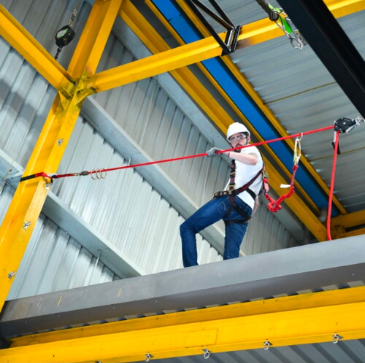
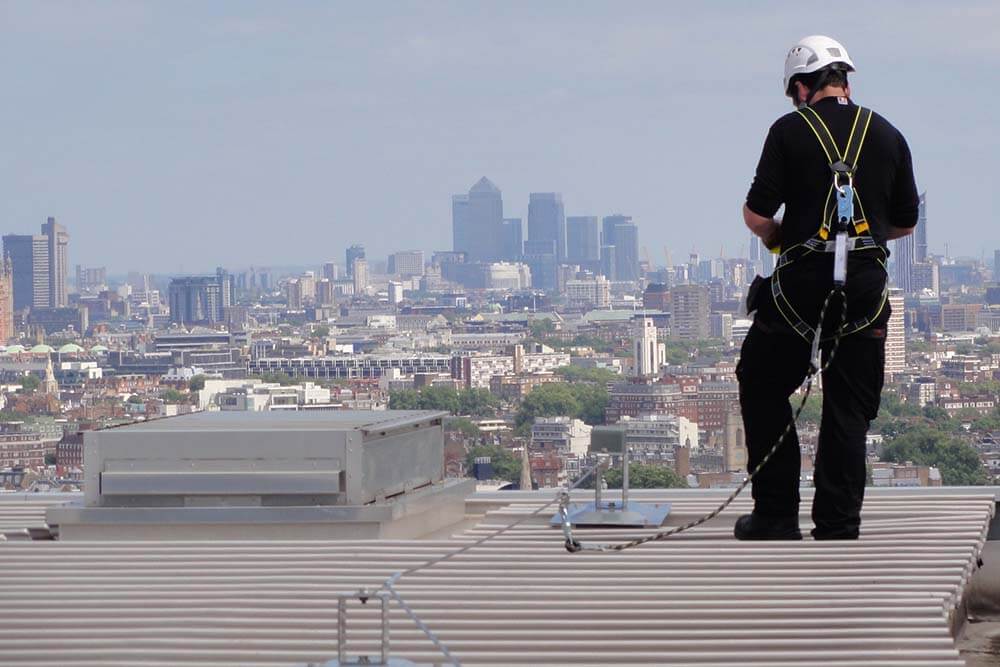
Horizontal lifelines support connected worker movement across roofs, raised platforms, and designated access routes. A worker attaches through suitable personal protective equipment, then travels along the line while remaining connected. This can be helpful where regular access near roof edges cannot be avoided.
A horizontal lifeline may run along a straight roof section or follow a planned route between service zones. Design should account for line length, intermediate supports, corner changes, user numbers, fall clearance, and structural capacity. Placement should also help workers reach required equipment without crossing unsafe areas.
As part of a building maintenance system in Australia, horizontal lifelines can support travel toward suspended access equipment, plant areas, gutters, roof edges, or facade service points. Clear access planning helps reduce awkward movement and unnecessary disconnection.
Vertical Lifeline Systems
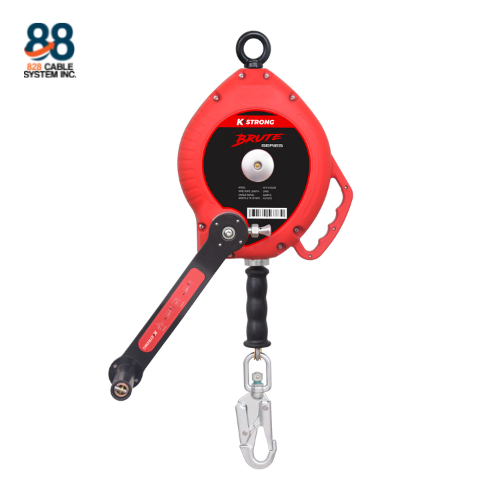
Vertical lifelines support climbing along fixed ladders, towers, shafts, and other upright access points. A worker connects to the system before climbing and remains attached throughout upward or downward movement. A suitable fall arrest device can lock during a sudden drop while allowing normal climbing motion.
These systems can improve protection where building crews must move between roof levels or reach high-level service areas. Ladder condition, anchor strength, line type, user clearance, and transfer points all require careful assessment. Workers also need suitable training before system use.
A vertical lifeline may form one part of a broader building maintenance system in Australia. Combined with horizontal roof protection and suspended access equipment, it can help create a safer route from building entry through to the active work zone.
Key Design Factors for Building Maintenance Systems
Building height remains only one part of system planning. Roof layout, structural capacity, parapet height, facade profile, access frequency, and maintenance tasks all affect equipment choice. A property with several setbacks may require multiple suspension locations or movable access equipment.
Facade materials also matter. Glass, metal cladding, stone panels, painted concrete, and composite surfaces can have different cleaning and repair needs. Platform size, clearance, tool storage, and surface protection should match those needs.
Weather exposure requires close attention across Australian worksites. Wind can affect suspended platform movement, while salt air may accelerate corrosion near coastal areas. Heat, rain, and dust can also affect equipment condition and worker comfort. Material selection and planned upkeep should reflect local conditions.
A building maintenance system in Australia should also account for emergency procedures. Rescue access, worker communication, backup systems, safe platform recovery, and restricted ground zones all need clear planning. Property teams should understand how crews will respond if power fails, equipment stops, weather changes, or a worker requires assistance.
Why Engineering Quality Matters
Building access equipment carries people, tools, and materials above ground level. Mechanical reliability therefore plays a major role across every task. Components must withstand repeated use, changing loads, weather exposure, movement, and operational stress.
GROXX GEARS gives strong attention to material quality, accurate production, and heavy-duty performance. High-strength alloys and advanced heat treatment can improve resistance to wear, pressure, and repeated load cycles. Proper component selection can also support longer service life under demanding conditions.
Accurate manufacturing helps gears, fasteners, shafts, brackets, and moving parts work together as expected. Tight tolerances can reduce unwanted movement, vibration, and uneven wear. Smooth mechanical action supports controlled equipment travel and more predictable operation.
For any building maintenance system in Australia, engineering quality should be assessed across the full setup rather than only the main machine. Anchors, fasteners, cables, connections, controls, brakes, platforms, and fall protection components all contribute to system performance.
Precision Manufacturing and Equipment Reliability
Small dimensional errors can affect alignment, movement, load transfer, and component wear. Precision production helps reduce these concerns across gearing and mechanical assemblies. CNC grinding, hobbing, machining, and controlled finishing can support consistent component geometry.
GROXX GEARS places value on accurate tolerances and dependable mechanical performance. Such attention is especially important for equipment that operates repeatedly under load. Smooth movement can reduce stress across connected parts and support quieter, more stable operation.
A building maintenance system in Australia may operate for many years, so component consistency matters throughout its service life. Replacement parts should match required dimensions and load conditions. Inspection teams should also watch for changes such as unusual noise, uneven travel, vibration, or visible wear.
Standard Systems and Project-Specific Solutions
Some properties can use standard suspended platforms, portable davits, or straightforward roof access systems. Complex buildings may need a project-specific approach. Curved facades, deep recesses, sloped roofs, narrow plant areas, multiple setbacks, and restricted suspension points can make standard equipment unsuitable.
A project-specific building maintenance system in Australia begins with a close review of the property. Designers and engineers should assess roof structure, facade reach, maintenance frequency, worker access, storage, rescue, and operating space. Equipment should then reflect actual tasks rather than theoretical access alone.
GROXX GEARS can support access planning through heavy-duty equipment options for demanding environments. Suspended access, fall arrest, rigging, fasteners, and related hardware can work together as part of a coordinated setup. The goal is reliable worker access backed by equipment suited to site conditions.
Choosing a Building Maintenance System Provider
Property owners and project teams should look beyond purchase cost when selecting a provider. Equipment quality, engineering support, manufacturing controls, system compatibility, and future service needs all affect long-term value. A low-cost setup may create added expense if parts wear early or access remains limited.
A provider should understand suspended access, fall protection, rigging, mechanical components, and site-specific access challenges. They should also consider load capacity, roof layout, platform travel, facade obstacles, worker movement, and emergency planning. Clear technical documentation can help property teams manage operation and upkeep.
GROXX GEARS offers industrial hardware and access solutions for demanding Australian applications. Its focus on durable materials, accurate manufacturing, and high-load performance supports projects where safety and reliability matter. A building maintenance system in Australia from GROXX GEARS can be planned around facade tasks, access frequency, and property design.
Inspection, Testing, and Ongoing Care
A building maintenance system requires planned checks before use and at suitable service intervals. Platforms, cables, hoists, brakes, controls, tracks, davits, anchors, fasteners, and lifelines should all receive attention. Severe weather, impact, heavy use, or building alterations may also require extra review.
Operators should report unusual noise, vibration, slow travel, damaged cables, loose fittings, control faults, corrosion, or unexpected movement. Early reporting can help prevent larger mechanical problems. Maintenance records should capture checks, repairs, replacement parts, and test results.
Worker training is also essential. Users should understand system controls, capacity limits, weather restrictions, connection methods, emergency procedures, and safe entry or exit. A building maintenance system in Australia can only perform as planned when operators follow correct work methods.
Safety Checklist for Building Maintenance Work
Before work starts, crews should confirm equipment condition, load limits, weather suitability, communication methods, and rescue arrangements. Full-body safety gear, connectors, anchors, lifelines, cables, platform controls, and backup devices should receive a visual check. Tools and materials should be secured to prevent dropped objects.
Ground areas below active facade work should be controlled. Workers should know who has authority to stop work when weather or equipment conditions change. Access paths should remain clear, and platform travel zones should be checked for obstacles.
A building maintenance system in Australia should never be treated as a set-and-forget asset. Safe performance depends on regular checks, trained users, suitable supervision, and prompt repair of identified faults.
Benefits of a Well-Planned Building Maintenance System
A suitable system gives workers safer access to hard-to-reach exterior areas. It can support regular facade cleaning, scheduled checks, glass replacement, painting, sealant work, and urgent repairs. Better access can help crews complete tasks with less setup and fewer access limitations.
Property teams may also reduce dependence on temporary scaffolding for recurring work. This can lower disruption near entrances, footpaths, loading areas, and occupied spaces. Faster access may support quicker response when visible damage or water entry requires attention.
A building maintenance system in Australia can also support long-term property care. Regular access makes it easier to inspect surfaces, identify wear, and complete minor repairs before damage spreads. Good access planning supports both worker safety and asset condition.
Why Choose GROXX GEARS?
GROXX GEARS supplies heavy-duty industrial solutions across Australia, with products for suspended access, fall protection, rigging, fasteners, and building care. The company focuses on equipment suited to demanding environments where failure carries serious consequences.
Its engineering approach gives close attention to high-strength materials, heat treatment, accurate tolerances, and dependable performance. These qualities matter across moving assemblies, load-bearing components, suspension equipment, anchors, and safety hardware.
GROXX GEARS can support a building maintenance system in Australia for facade cleaning, glass replacement, structural checks, and exterior repair work. Horizontal and vertical lifeline options can also support worker movement across roofs and access routes.
For property owners, engineers, contractors, and facility managers, GROXX GEARS offers equipment shaped around practical site demands. Each project can be assessed according to building height, roof design, facade features, working loads, and expected maintenance activity.
Support Safer Building Maintenance with GROXX GEARS
Every property needs a practical method for reaching exterior work areas. Tall buildings, complex facades, and restricted roof layouts require equipment that supports safe movement and stable worker positioning. A well-planned building maintenance system in Australia can provide that access while helping property teams manage routine and urgent work.
GROXX GEARS brings together suspended access, fall arrest, rigging, fasteners, and heavy-duty engineering. Its solutions support high-stakes environments where equipment performance matters every day. A project discussion should cover facade reach, roof conditions, worker movement, maintenance frequency, load needs, and rescue planning.
Choosing the right building maintenance system in Australia can help create safer access, more efficient work, and stronger long-term property care. GROXX GEARS provides industrial equipment designed for the demands of Australian construction and maintenance projects.
Frequently Asked Questions
What Is a Building Maintenance System?
A building maintenance system is a set of access and safety components that helps workers reach exterior areas of a property. It may include a BMU, suspended platform, davit arms, tracks, hoists, anchors, lifelines, cables, controls, and fall arrest equipment. These systems support facade cleaning, inspections, repairs, glass replacement, and other work at height.
What Does BMU Mean?
BMU means Building Maintenance Unit. It usually refers to roof-mounted or suspended access equipment used to move workers along the outside face of a building. The exact equipment depends on property height, roof design, facade shape, and maintenance tasks.
Which Properties May Need a Building Maintenance System in Australia?
Office towers, hotels, hospitals, residential buildings, shopping centres, industrial sites, and mixed-use developments may need a building maintenance system in Australia. Complex facades or tall structures often require permanent or planned access equipment for recurring exterior work.
Can Suspended Access Equipment Support Glass Replacement?
Yes. Suspended platforms can support glass replacement when equipment capacity, worker positioning, panel handling, and lifting methods have been properly planned. The platform must suit the required load and facade clearance.
What Is the Difference Between Horizontal and Vertical Lifelines?
Horizontal lifelines support connected movement across roofs, platforms, or other level access routes. Vertical lifelines support climbing along ladders, towers, shafts, or upright access points. Both systems require suitable anchors, connectors, user equipment, and inspection.
How Often Should Building Access Equipment Be Checked?
Check frequency depends on equipment type, usage, weather exposure, manufacturer guidance, site conditions, and applicable safety requirements. Pre-use checks should form part of normal operation, while formal inspections and servicing should follow a planned schedule.
Can a System Be Created for a Complex Facade?
Yes. A project-specific building maintenance system in Australia can account for curved surfaces, recesses, canopies, projections, roof limits, and multiple facade zones. Early assessment helps identify suitable suspension points, platform travel, and worker access routes.
Why Choose GROXX GEARS for Building Maintenance Equipment?
GROXX GEARS focuses on heavy-duty equipment, accurate manufacturing, strong materials, and dependable performance. Its product range covers suspended access, horizontal and vertical lifelines, rigging, fasteners, and related industrial hardware for demanding Australian projects.