Why Reliable Rooftop Access Matters
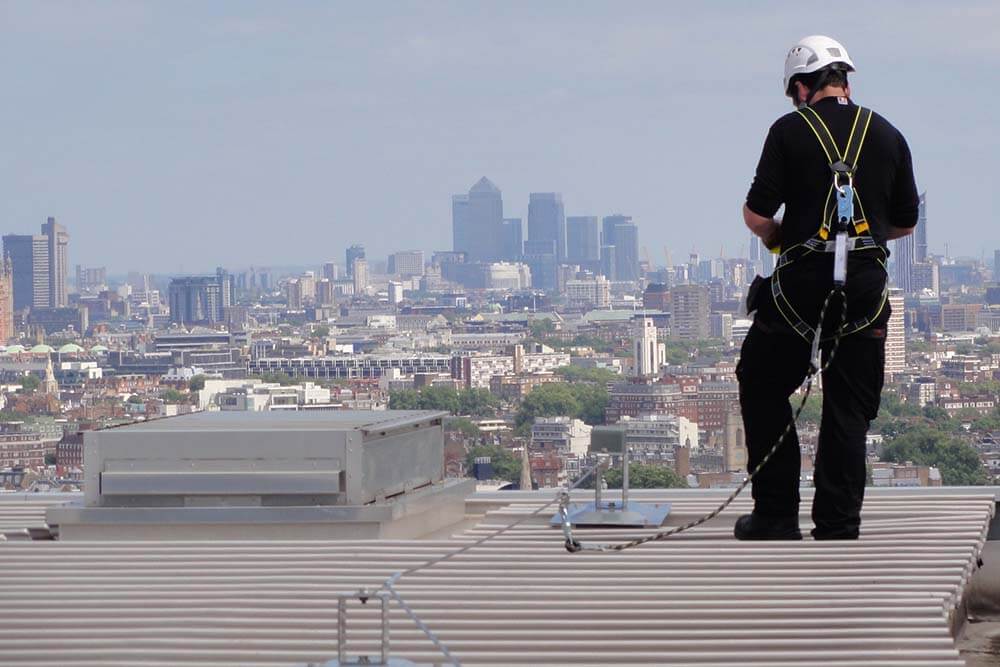
Buildings, factories, warehouses, commercial properties, and industrial facilities often have rooftop equipment that requires regular inspection and maintenance. Air-conditioning units, ventilation systems, solar panels, electrical equipment, drainage components, and other installations may need technicians to access them throughout the year. Walking directly across a roof without a designated route can expose workers to uneven surfaces, slippery areas, fragile roofing materials, and unnecessary obstacles. An aluminum walkway can establish a clearly defined route that makes routine access more organized and practical. For property owners and facility managers, selecting the right access system is an important part of planning a functional maintenance environment. Philippine conditions make this decision even more important because rooftops can be exposed to intense heat, heavy rainfall, humidity, wind, and coastal air. Working with an experienced aluminum walkway supplier Philippines can help businesses identify an access solution that matches their building, roof configuration, and operational requirements.
Understanding Aluminum Walkway Systems
An aluminum walkway is a specially designed access platform that creates a stable path for personnel moving across rooftops or elevated areas. Depending on the system, it may consist of aluminum planks, grating panels, support brackets, mounting hardware, handrails, guardrails, and other accessories. The walkway can be configured to follow a particular route between roof access points and equipment that requires regular servicing. Some systems are modular, allowing sections to be connected to form longer pathways or accommodate different layouts. Walkway designs can vary significantly, so buyers should review the specifications rather than assume that every aluminum system provides the same performance. Surface profile, width, thickness, support spacing, attachment method, and load capacity can all influence how a walkway performs in actual use. A properly selected system should complement the existing roof and provide a practical route for the people who need to use it. This is why choosing a knowledgeable aluminum walkway supplier Philippines is an important part of the planning process.
Advantages of Aluminum for Access Walkways
Aluminum offers several characteristics that make it attractive for rooftop and industrial access applications. One of its primary advantages is its relatively low weight compared with many steel alternatives, which can simplify transportation, handling, and installation. Aluminum also has natural corrosion resistance, making it useful in outdoor environments where moisture and humidity are common concerns. This characteristic can be particularly valuable in the Philippines, where facilities may be exposed to frequent rainfall and high humidity. Aluminum can also be fabricated into different walkway profiles, including grating and textured surfaces designed to provide traction. The material can offer long-term service when the appropriate alloy, thickness, structural design, and installation method are selected for the application. However, buyers should avoid assuming that every aluminum walkway has identical strength or durability because specifications vary between manufacturers and products. A reputable supplier should explain the material and engineering characteristics of the recommended walkway before the buyer commits to an installation.
Where Aluminum Walkways Are Commonly Used
Aluminum walkways can serve a wide range of commercial, industrial, and maintenance applications. On commercial rooftops, they can provide routes toward air-conditioning systems, ventilation equipment, electrical installations, drainage areas, and other service locations. Industrial facilities may use them to create organized pedestrian paths around machinery, processing equipment, elevated platforms, and maintenance zones. Solar installations can also benefit from dedicated walkways because technicians may need repeated access to photovoltaic panels and related equipment. Warehouses and large facilities may require elevated access routes where workers need to move between different operational areas. Buildings near coastal locations may also consider aluminum because of its corrosion-resistant characteristics, although appropriate material selection and installation practices remain necessary. Walkways can also be incorporated into larger height-access systems where workers need controlled routes combined with other protective equipment. Before purchasing a system, facility managers should identify the areas that require regular access and determine how the walkway can connect those locations efficiently.
Important Aluminum Walkway Features to Evaluate
A walkway should be evaluated according to more than its appearance or purchase price. The walking surface is particularly important because workers may encounter water, dust, dirt, oil, or other contaminants while using the system. Anti-slip profiles can provide additional traction and may be particularly useful for outdoor rooftop environments. Structural capacity is another essential consideration because the walkway needs to accommodate the loads expected during normal use. Buyers should consider the weight of workers, tools, equipment, and any other materials that may be carried across the route. Width is also important because a narrow walkway may be difficult to use when personnel need to carry tools or perform maintenance tasks. Mounting components must be compatible with the roof or supporting structure, while support spacing should follow the manufacturer’s specifications. A reliable aluminum walkway supplier Philippines should be able to provide detailed information about each of these features so that buyers can make an informed purchasing decision.
The Importance of Anti-Slip Walkway Surfaces
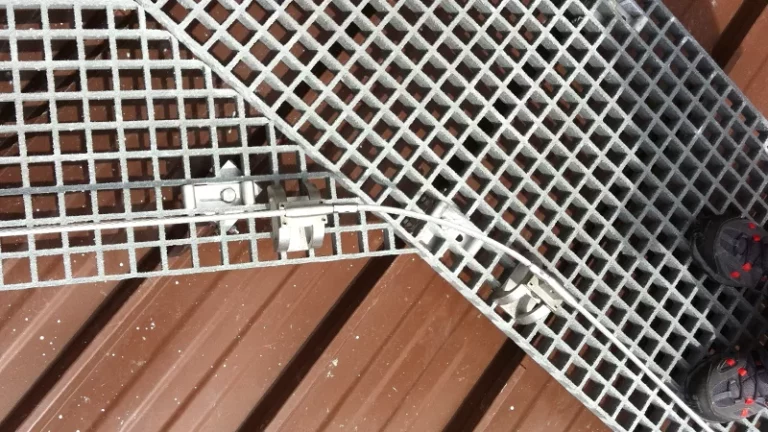
Rooftop environments can become challenging when rain or condensation makes surfaces wet. A smooth metal walkway may not provide the same traction as a surface specifically designed to resist slipping. For this reason, many access systems incorporate textured, serrated, perforated, or grated surfaces. Open grating can allow water to move through the surface instead of accumulating across the walking path. Textured aluminum profiles can also help provide additional grip under normal working conditions. The appropriate surface design depends on the environment, expected contaminants, slope, footwear, and intended use of the walkway. Anti-slip performance should be considered together with other access requirements rather than treated as an isolated feature. Businesses should ask their aluminum walkway supplier Philippines about the available surface options and which design is appropriate for the project’s conditions. Choosing a suitable surface can contribute to a more practical and controlled route for personnel performing maintenance work.
Selecting the Right Aluminum Walkway Supplier Philippines
The supplier plays an important role in determining whether a walkway project meets its practical requirements. Buyers should look for a company that understands rooftop access, industrial environments, aluminum products, and installation considerations. A supplier should be capable of explaining the available materials, walkway dimensions, load requirements, surface options, and mounting methods. Technical drawings and product specifications can be particularly useful when the walkway needs to be incorporated into a construction or maintenance project. Buyers should also determine whether the supplier can accommodate custom dimensions or unusual layouts. For larger facilities, technical consultation can help identify potential installation challenges before materials are fabricated or delivered. It is also beneficial to work with a supplier that can provide installation guidance and after-sales support. Rather than selecting a supplier based only on the lowest quotation, businesses should evaluate the overall quality of the product, technical assistance, project support, and long-term service.
Questions to Ask Before Ordering
Asking detailed questions before purchasing can prevent misunderstandings and compatibility problems later. Buyers should first ask what type and grade of aluminum is used in the walkway system. They should also request information about walkway thickness, width, surface design, structural capacity, and recommended support spacing. The supplier should be asked whether the system is compatible with the specific roof or structure where it will be installed. Buyers should also clarify what fastening or mounting components are included and whether additional accessories are necessary. If the project requires edge protection, the supplier should explain available guardrails, handrails, toe boards, and other components. Installation requirements, maintenance recommendations, warranty conditions, lead times, and delivery arrangements should also be discussed before an order is placed. A professional aluminum walkway supplier Philippines should welcome these questions and provide clear technical information rather than leaving the buyer to make assumptions.
Matching the Walkway to the Roof Structure
Not every walkway can be installed on every type of roof using the same method. Roof construction, material, slope, structural capacity, and existing equipment can all influence the appropriate walkway design. Standing-seam roofs, metal profile roofs, concrete roofs, membrane systems, and other roofing configurations may require different mounting approaches. Some systems use clamps or specialized brackets, while others may use supports or mechanical fasteners depending on the application. The mounting system should provide adequate stability without creating unnecessary damage to the roofing assembly. The walkway’s route should also consider drainage paths, expansion areas, roof penetrations, vents, skylights, and other existing components. Site measurements and drawings can help the supplier determine how the system should be configured. Working with an experienced supplier and qualified installation professionals can help ensure that the selected walkway is appropriate for the building rather than simply installing a standard product without considering site conditions.
Installation Quality and Long-Term Performance
Even a high-quality aluminum walkway can perform poorly if it is installed incorrectly. Installation should follow the manufacturer’s instructions and account for the walkway’s structural requirements. Fasteners, brackets, clamps, supports, and connection points should be properly positioned and secured. Installers should also verify that the walkway is aligned correctly and that its route does not create unnecessary obstacles for workers. If the system includes guardrails or other accessories, these components should be installed according to their specific requirements. Proper installation can help minimize movement, premature wear, and other problems that could affect the system over time. The supplier should provide appropriate installation documentation or guidance where required. For larger projects, coordinating the supplier, contractor, roofing professional, and facility team can help ensure that the access system integrates properly with the rest of the building.
Maintaining an Aluminum Walkway System
Regular inspection is an important part of keeping any access system functional. Facility personnel should periodically check the walkway surface for damage, deformation, contamination, or excessive wear. Mounting points and fasteners should also be inspected for looseness, movement, or visible deterioration. Areas exposed to coastal conditions or industrial contaminants may require additional attention because environmental exposure can vary significantly from one facility to another. Dirt, leaves, oil, and other debris should be removed when they interfere with the walkway’s surface or drainage characteristics. After severe weather, an inspection can help identify unexpected movement or damage. Maintenance schedules should reflect how frequently the walkway is used and the environmental conditions surrounding the installation. Following the supplier’s maintenance recommendations can help facility managers identify potential issues before they become more significant operational concerns.
Comparing Aluminum With Other Walkway Materials
Aluminum is one of several materials available for industrial and rooftop walkway applications. Galvanized steel is often considered where substantial strength is required, although its greater weight can affect handling and installation considerations. Stainless steel provides strong corrosion resistance but may have a higher initial material cost depending on the specification. Fiberglass-reinforced plastic can be considered for certain specialized environments where corrosion resistance or electrical characteristics are important. Aluminum can offer an attractive balance of low weight, corrosion resistance, durability, and ease of handling for many applications. However, material selection should always be based on the actual project rather than a general assumption that one material is best for every building. Environmental conditions, expected loads, installation method, maintenance requirements, and project budget should all be evaluated. A knowledgeable aluminum walkway supplier Philippines can help explain how aluminum compares with alternative materials for a particular application.
Getting an Accurate Walkway Quotation
Providing complete project information can make the quotation process more efficient and accurate. Buyers should provide the required walkway length, width, and approximate route whenever possible. Roof type and material should also be identified because mounting requirements may vary significantly. Photographs, roof plans, drawings, and measurements can help suppliers understand the installation environment. Buyers should mention whether the system needs handrails, guardrails, toe boards, ramps, steps, access platforms, or connections to other systems. The expected usage should also be explained, such as routine equipment maintenance, solar panel servicing, inspection work, or general rooftop access. Environmental conditions, including frequent rain, humidity, industrial exposure, or proximity to the sea, may also influence material and finish recommendations. With accurate information, an aluminum walkway supplier Philippines can provide a more useful quotation and recommend a system that is better aligned with the actual project.
Frequently Asked Questions
What is an aluminum walkway used for?
An aluminum walkway provides a designated path for personnel who need to move across rooftops, industrial areas, maintenance zones, and other elevated locations. It can make regular access more organized while helping reduce unnecessary foot traffic across sensitive roof surfaces.
Why is aluminum suitable for rooftop walkways?
Aluminum is relatively lightweight and offers natural corrosion resistance, making it useful for many outdoor applications. The suitability of a specific aluminum walkway depends on its alloy, structural design, surface profile, load capacity, and installation method.
Are aluminum walkways suitable for industrial buildings?
Yes, aluminum walkways can be suitable for industrial buildings when they are appropriately designed for the expected loads and working conditions. The system should be selected according to the facility’s layout, environmental exposure, access requirements, and operational activities.
Can aluminum walkways be customized?
Many aluminum walkway systems can be configured for different lengths, widths, routes, support arrangements, and accessories. Buyers should discuss customization requirements with their supplier before ordering.
Can an aluminum walkway be installed on an existing roof?
In many situations, a walkway can be installed on an existing roof, but the roof structure and mounting method need to be assessed first. Compatibility should be confirmed with the walkway manufacturer or supplier before installation.
What makes an aluminum walkway anti-slip?
Anti-slip performance can come from features such as serrated surfaces, textured profiles, perforated panels, or grating designs. The best option depends on the expected weather, contaminants, slope, footwear, and application.
How can I find the right aluminum walkway supplier Philippines?
Evaluate suppliers based on technical knowledge, product specifications, customization options, mounting solutions, installation support, documentation, and customer service. A supplier should be able to discuss your actual roof or facility rather than offering only a generic product.
How much does an aluminum walkway cost?
Pricing varies according to material specifications, walkway dimensions, surface type, mounting hardware, support requirements, accessories, delivery, and installation. A supplier will generally need project information before providing an accurate quotation.
Takeaway
An aluminum walkway can provide a practical and organized access route for buildings that require frequent rooftop or elevated maintenance. Selecting the correct system involves more than choosing an aluminum surface because structural capacity, anti-slip performance, mounting compatibility, dimensions, and environmental conditions all affect suitability. Philippine facilities may particularly benefit from careful material selection because heat, humidity, rain, and coastal exposure can influence outdoor equipment over time. Aluminum offers a useful combination of relatively low weight and corrosion resistance for many access applications. However, the quality of the supplier and installation process remains just as important as the material itself. When searching for an aluminum walkway supplier Philippines, businesses should prioritize technical expertise, reliable products, accurate specifications, customization capabilities, and project support. By evaluating these factors before purchasing, facility owners, contractors, engineers, and maintenance teams can select an access system that better fits their property’s operational needs.