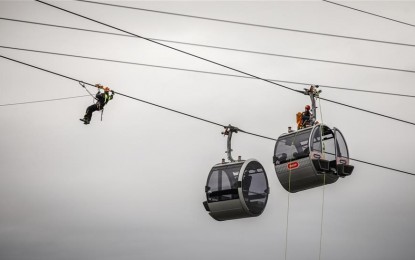
Working at height presents serious risks for workers across construction, building maintenance, industrial facilities, warehouses and rooftop service areas. A properly designed Horizontal Lifeline Singapore system can provide workers with a continuous connection point while they move across elevated workspaces. Unlike basic fall protection equipment that may restrict movement, a horizontal lifeline can support greater mobility across a designated working area. This makes it particularly useful for roof inspections, maintenance tasks, equipment servicing and other activities where workers need to travel horizontally. Selecting the correct system requires careful consideration of the building structure, work environment, travel path, number of users and required fall clearance. A reliable horizontal lifeline system Singapore solution should also work alongside suitable harnesses, connectors, anchor points and rescue procedures. Understanding how these systems work can help businesses make better decisions when planning fall protection Singapore arrangements.
Understanding Horizontal Lifeline Systems
A horizontal lifeline is a fall protection system designed to provide workers with a continuous attachment route while they move along a relatively horizontal working area. The system normally consists of structural anchor points connected by a flexible cable or rigid rail, together with suitable travelling and connecting equipment. A worker typically connects a compatible fall arrest harness to the system using an approved connector or traveller. As the worker moves along the designated route, the connection device can travel with them while maintaining attachment to the system. This arrangement can reduce the need for workers to repeatedly disconnect and reconnect when moving between work areas. Depending on the application, a horizontal lifeline may be designed as a permanent installation or as a temporary system for specific projects. The final design should always reflect the structure, working conditions, number of users and applicable manufacturer requirements.
A horizontal lifeline should not be treated as simply a cable stretched between two points. Its performance depends on the engineering of the complete system, including anchors, end points, intermediate supports, energy management components and connecting equipment. The supporting structure must also be capable of handling the forces associated with the system. Incorrect positioning or unsuitable components can affect the system’s ability to protect a worker during a fall. For this reason, businesses should consider professional assessment before installing a horizontal fall protection system. The equipment should also be compatible with the worker’s full body harness and other fall protection equipment. Proper planning helps create a system that supports both worker safety and practical movement.
Why Horizontal Lifeline Systems Matter for Work at Height in Singapore
Work-at-height activities can expose workers to hazards such as roof edges, openings, fragile surfaces, elevated platforms and unprotected maintenance areas. Singapore businesses operating buildings, industrial facilities and construction sites may have workers who periodically need to access elevated locations for inspection or maintenance. A suitable Horizontal Lifeline Singapore solution can help provide controlled movement around areas where conventional guardrails may not be practical. The system can create a defined travel path that allows workers to remain connected while performing necessary tasks. This can be particularly valuable for large rooftops where workers need to move between mechanical equipment, service points or other installations. A properly planned fall protection system can also help organisations establish clearer procedures for recurring maintenance work. However, the system should form part of a wider work-at-height safety strategy rather than being viewed as the only safety measure.
Risk assessment should take place before selecting any equipment. Employers and safety personnel should identify where workers will access elevated areas, what tasks they will perform and how long those tasks are expected to take. Potential fall paths should be considered alongside obstacles, lower levels, equipment and other hazards. The location of the horizontal lifeline should then be planned around the worker’s actual movement requirements. A system that looks suitable on paper may not provide adequate coverage if workers need to leave the designated travel route. Combining suitable engineering controls, worker training, personal fall protection equipment and emergency planning can create a more comprehensive approach. This process allows businesses to select equipment based on actual workplace conditions rather than simply purchasing a standard product.
How a Horizontal Lifeline System Works
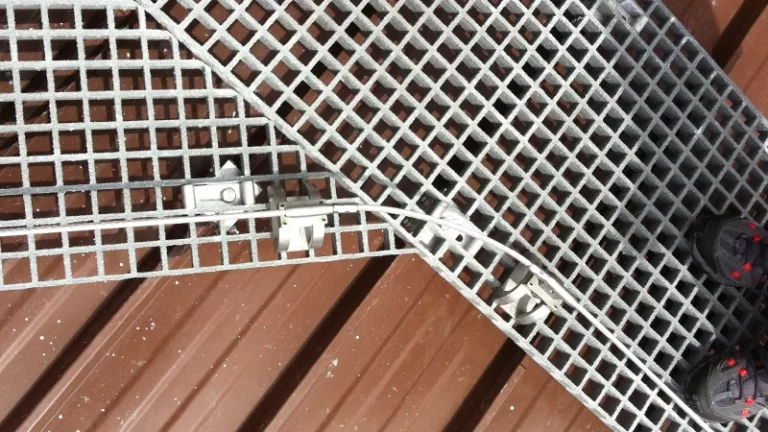
A horizontal lifeline system creates an attachment route between designated anchor locations. End anchors provide the primary structural connection points, while intermediate supports may be used for longer systems depending on the design. A cable or rigid rail provides the path along which the worker’s travelling device moves. The worker normally connects through an appropriate full body harness and compatible connecting equipment. Some systems include energy-absorbing components designed to manage forces generated during a fall. The traveller must also be compatible with the specific lifeline configuration and manufacturer requirements. Every component should work as part of the complete engineered system rather than being selected independently.
Anchor Points
Anchor points form one of the most important parts of a horizontal lifeline system because they connect the equipment to the supporting structure. Their location can influence both the worker’s travel area and the forces placed on the structure. Anchors should therefore be selected and positioned according to the system design. Structural assessment may be necessary to determine whether the roof, steelwork, concrete or other supporting material is suitable. A visually strong attachment point is not automatically a suitable fall arrest anchor. The anchor must be compatible with the system and intended use. Proper installation and inspection are also essential for maintaining the integrity of the connection.
Lifeline Cable or Rail
The lifeline itself provides the horizontal route for worker attachment. Cable systems are commonly used where flexibility and long travel distances are required, while rigid rail configurations may be suitable for certain applications where a defined movement path is preferred. The choice between cable and rail depends on factors such as building design, user movement, installation requirements and system specifications. A cable should not simply be tensioned between two convenient points without appropriate engineering. System geometry can affect forces, sag and required clearance during a fall event. Rail systems also require correct structural attachment and suitable travelling devices. The selected configuration should therefore match the working environment and manufacturer’s design requirements.
Energy Management Components
Energy management components can play an important role within a fall arrest system. Their purpose is to help control the forces generated when a worker falls. The exact arrangement depends on the system design and manufacturer’s specifications. Components should not be substituted casually because different products may have different performance characteristics. A compatible system allows the various components to function together as intended. Safety personnel should review product documentation before combining equipment from different manufacturers. Proper inspection is also necessary to identify damage or signs that a component may no longer be suitable for use.
Key Applications for Horizontal Lifeline Singapore
A Horizontal Lifeline Singapore system can support numerous work-at-height applications where workers need to move across elevated surfaces. Rooftop maintenance is one common application because workers may need to access air-conditioning equipment, ventilation systems, electrical installations or other building services. Industrial facilities may also require lifelines around elevated platforms, service areas and equipment zones. Warehouses can use suitable fall protection arrangements where workers access elevated storage or maintenance areas. Solar panel maintenance can also require controlled movement across roof surfaces. Construction and building maintenance projects may require temporary systems where workers need protection during specific phases of work. Each application requires individual assessment because building structure, working conditions and worker movement can differ substantially.
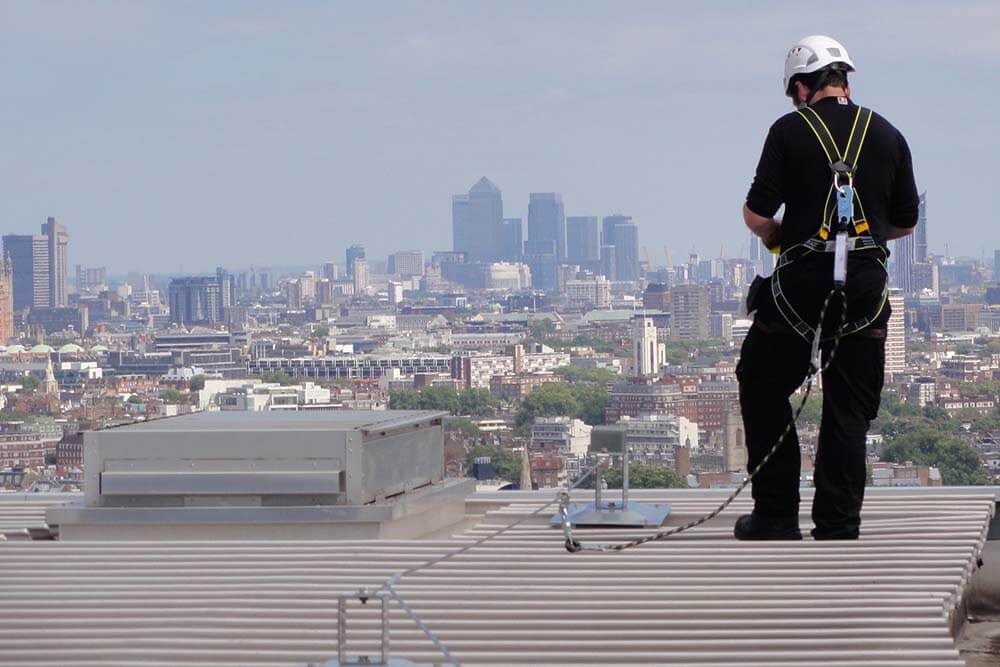
Rooftop environments can create additional challenges because roof surfaces may include fragile materials, skylights, drainage systems, ducts and other obstacles. Workers may need to move across several sections of a roof while carrying tools or performing maintenance. A horizontal lifeline can provide a defined attachment route that supports safer movement through the designated work area. The system should not encourage workers to enter areas that remain outside its protective coverage. Access points should be planned so that workers can connect before reaching exposed areas. Appropriate warning signs and workplace procedures can also help workers understand the boundaries of the protected zone. Regular review is advisable when rooftop equipment or building layouts change.
Horizontal Lifeline Systems for Rooftop Work
Rooftops are among the most important environments where horizontal fall protection systems can provide practical benefits. Workers may need to inspect roof membranes, clean equipment, service air-conditioning units or maintain solar installations. These activities can require movement close to roof edges or across areas without permanent guardrails. A horizontal lifeline can provide a continuous connection route where the system has been properly designed for the roof configuration. The system can be positioned to give workers access to the required work areas while reducing exposure to unprotected edges. However, a lifeline does not automatically make every part of a roof safe to access. Fragile surfaces, openings and unsuitable roof sections must still be identified and controlled.
Roof construction should be assessed before a system is installed. Different roofs may use concrete, steel, metal decking, structural timber or other materials, and each material can have different characteristics. The condition of the roof and supporting structure should also be considered. Weather exposure may affect equipment through corrosion, moisture and temperature changes. Appropriate materials and protective measures may therefore be required for outdoor installations. The system should also allow sufficient clearance below the worker if a fall occurs. Good rooftop planning combines the lifeline with safe access routes, suitable personal fall protection equipment, worker training and an effective rescue plan.
Permanent vs Temporary Horizontal Lifeline Systems
Permanent horizontal lifelines are generally designed for workplaces where recurring access to elevated areas is expected. They can be integrated into buildings or industrial structures and remain available for maintenance teams over an extended period. Permanent systems can be useful where workers repeatedly perform inspections or servicing tasks in the same location. Their design should account for the building structure and expected usage conditions. Inspection and maintenance remain necessary even when the system is permanently installed. Changes to the building may also require the system to be reassessed.
Temporary horizontal lifelines can be suitable for projects where fall protection is required for a limited period. Construction, refurbishment and short-term maintenance work may require temporary protection while workers complete specific tasks. Temporary equipment still requires correct installation and should be used according to its manufacturer’s instructions. Workers should understand how the system is installed, how they connect to it and where its protected travel area ends. The system should be removed or adjusted when the work phase changes. Temporary equipment should never be treated as a lower-standard alternative simply because it is not permanently installed.
Important Factors When Choosing a Horizontal Lifeline in Singapore
Selecting a Horizontal Lifeline Singapore system requires more than comparing product prices. The first consideration should be the supporting structure because the system must be securely attached to a suitable structural element. The required travel distance should also be established before selecting the configuration. The number of workers who may use the system can affect its design and permitted capacity. Fall clearance is another critical factor because the worker must have enough unobstructed space below the potential fall path. Environmental conditions such as humidity, rain, heat and corrosion should also influence equipment selection. The system should support the actual movement required by workers rather than simply covering a convenient section of the roof.
Worker mobility is another important consideration. If workers need to pass intermediate supports, the travelling device should be suitable for that movement. Changes in direction may require specialised components or a different system arrangement. Obstacles such as ducts, vents, machinery and roof structures should be included within the design assessment. The system should also account for potential swing-fall hazards where workers could move laterally away from the lifeline. A qualified person should review the complete arrangement before it is placed into service. These considerations help ensure that the chosen fall arrest system Singapore solution is practical as well as protective.
Horizontal Lifeline Installation Considerations
Installation quality can have a major effect on the performance of a horizontal lifeline. The system should be installed according to its engineered design and the manufacturer’s requirements. Anchor locations should be checked against the approved configuration before installation begins. Structural attachments should be correctly installed using appropriate fasteners and methods. Cable systems may also require specific tensioning procedures depending on their design. Incorrect installation can change system performance and create additional hazards for workers. Installation should therefore be carried out by competent personnel with suitable knowledge and experience.
Documentation should be retained after installation. Records may include product information, system drawings, installation details, inspection information and relevant structural assessments. These records can help future maintenance teams understand the system’s intended configuration. Any modifications to the supporting structure should trigger a review of the system. Replacement components should be compatible with the existing equipment. Workers should also receive suitable training before they are permitted to use the system. A properly documented installation can make future inspections and maintenance more organised.
Safety Standards and Compliance Considerations
Fall protection equipment should be selected with applicable safety standards and workplace requirements in mind. Recognised standards can provide technical requirements for equipment design, testing and performance. Singapore workplaces should also consider applicable Workplace Safety and Health requirements relating to work at height. Businesses should verify current requirements with the relevant Singapore authorities and qualified safety professionals. Compliance should not be viewed as a paperwork exercise because the underlying objective is to protect workers from preventable hazards. A system that meets a particular specification may still be unsuitable if it does not match the actual workplace conditions. Site-specific risk assessment remains an important part of responsible fall protection planning.
Documentation can help safety teams demonstrate that the equipment has been properly selected and managed. Product certificates, technical specifications and inspection records may be useful during workplace safety reviews. Training records can also show that workers received appropriate instruction before using the system. Businesses should establish procedures for reporting damaged equipment or unsafe conditions. Any equipment involved in a fall should be removed from service until it has been appropriately assessed. Regular inspections should follow manufacturer requirements and workplace procedures. Maintaining these practices supports a stronger overall work at height safety Singapore programme.
Inspection and Maintenance of Horizontal Lifeline Systems
Regular inspection is essential for keeping a horizontal lifeline system suitable for use. Workers should perform appropriate pre-use checks before connecting to the system. These checks can identify visible damage, corrosion, deformation, loose components or other obvious defects. Formal inspections should also be conducted at intervals appropriate to the system and manufacturer’s requirements. Outdoor systems may require particular attention because exposure to rain, humidity and environmental conditions can affect materials. Cable condition, anchor points, connectors, travellers and other components should be checked as applicable. Any questionable component should be assessed before workers continue using the system.
Maintenance records can provide a useful history of the system’s condition. Records should identify inspection dates, findings, corrective actions and relevant component replacements. If the building undergoes structural modifications, the lifeline should be reviewed to determine whether its configuration remains suitable. Equipment should never be modified without appropriate technical approval. Components showing excessive wear or damage should be replaced with compatible products. Workers should also report any unusual movement or damage noticed during use. Consistent inspection helps organisations identify problems before they become more serious.
Worker Training and Proper Use
Even a well-designed horizontal lifeline cannot protect workers effectively if it is used incorrectly. Workers should receive appropriate training before using the system. Training should cover correct harness fitting, connection procedures and the limitations of the system. Workers should understand where they can safely travel while attached to the lifeline. They should also recognise potential hazards such as swing falls, roof openings and insufficient clearance. Site-specific procedures should explain what workers should do if equipment appears damaged. Refresher training may also be appropriate when procedures, equipment or working conditions change.
Workers should use only compatible fall protection equipment. A full body harness, connecting device and lifeline traveller should be selected as part of a compatible system. Improvised connections should never be used. Workers should also avoid disconnecting from the system unnecessarily when working near an exposed edge. Tools and materials should be managed so that they do not interfere with the worker’s movement. Good training should combine classroom knowledge with practical instruction where appropriate. This helps workers develop the skills required to use the personal fall protection equipment correctly.
Fall Clearance and Rescue Planning
Fall clearance must be assessed before workers begin using a horizontal lifeline. The required clearance depends on several factors, including the system configuration, connecting equipment, worker position and possible fall path. Objects below the work area can create serious secondary hazards during a fall. A worker may also experience additional movement depending on the location of the lifeline and connection point. Safety planning should therefore account for the complete fall trajectory rather than simply measuring the distance to the ground. Manufacturer information and system-specific calculations should be followed. If adequate clearance cannot be achieved, the selected protection method may need to be reconsidered.
Rescue planning is equally important because a fall arrest system does not remove the need for emergency response. A suspended worker may require prompt assistance after a fall. Workers should know how to raise an alarm and who is responsible for coordinating the response. Rescue equipment should be appropriate for the work environment and accessible when needed. Emergency procedures should be communicated before work starts. Organisations should also consider how rescuers can safely reach the affected worker. Effective rescue planning completes the fall protection strategy by addressing what happens after an incident.
Common Mistakes When Selecting or Using Horizontal Lifelines
One common mistake is choosing a lifeline without assessing the supporting structure. Another is combining incompatible components simply because they appear physically capable of connecting together. Failure to calculate fall clearance can also create a serious hazard. Some workplaces may install a lifeline without considering the actual route workers need to travel. Exceeding the permitted number of users can also affect system performance. Neglecting inspections may allow corrosion, deformation or other damage to remain unnoticed. Allowing untrained workers to use the equipment can further undermine an otherwise well-designed system.
Another frequent problem is treating a horizontal lifeline as a complete safety solution by itself. Fall protection normally requires coordinated planning that includes hazard identification, safe access, suitable PPE, training and emergency arrangements. Workers may also mistakenly assume that every area near the lifeline is protected. The actual protected travel zone should be clearly understood. Changes to roofs or building structures can also make an existing system unsuitable. Regular review helps identify these changes. Avoiding these mistakes can significantly improve the practical value of a roof safety system Singapore solution.
Selecting the Right Horizontal Lifeline Supplier in Singapore
Choosing a supplier should involve more than checking whether a product is available locally. Businesses should assess whether the supplier understands fall protection requirements and can provide appropriate technical documentation. Product information should clearly identify intended applications, limitations and compatible components. Suppliers that can support system design, installation and inspection may provide greater value for complex projects. Technical assistance can be particularly important for large roofs or challenging industrial environments. Businesses should also ask about inspection and maintenance support. A strong supplier relationship can help organisations manage the system throughout its service life.
Price should not be the only purchasing consideration. A lower-cost system may become more expensive if it requires unsuitable modifications, frequent replacement or additional corrective work. Product quality, technical support and installation capability should all be considered. Businesses should also verify whether the proposed equipment is appropriate for local environmental conditions. Supplier documentation should be retained for future reference. A professional assessment can help determine whether a proposed system is genuinely suitable for the workplace. These steps can help businesses make a more informed decision when purchasing Horizontal Lifeline Singapore equipment.
Building a Safer Work-at-Height Strategy with Horizontal Lifelines
A horizontal lifeline should form part of a wider fall protection strategy. The process begins with identifying hazards and determining whether work at height can be avoided or reduced. Where elevated work remains necessary, suitable engineering and administrative controls should be considered. The horizontal lifeline can then provide a dedicated attachment route for workers who need to operate within the protected area. Personal protective equipment should be selected according to the system design. Worker training should explain both correct equipment use and workplace-specific hazards. Emergency and rescue procedures should also be established before work begins.
Regular review helps ensure that the system continues to match operational requirements. Buildings may change, equipment may be relocated and work activities may evolve over time. Any significant change should prompt a review of the existing fall protection arrangement. Inspection findings should also be used to identify areas requiring corrective action. Businesses can improve safety by treating fall protection as an ongoing management responsibility rather than a one-time equipment purchase. A properly managed horizontal lifeline can support safer access for workers performing recurring maintenance tasks. The best results come from combining suitable equipment with competent planning, installation, training and inspection.
Case Study: Rooftop Maintenance Using a Horizontal Lifeline
Consider a commercial facility where maintenance workers need regular access to rooftop mechanical equipment. The roof contains air-conditioning units positioned at different locations, creating a need for workers to travel across exposed areas. A suitable horizontal lifeline system is assessed as part of the site’s broader fall protection arrangements. Before installation, the supporting roof structure is reviewed and suitable anchor locations are identified. The travel route is planned so that workers can remain connected while accessing the required maintenance points. Fall clearance, system capacity and potential obstacles are also considered during the planning stage.
After installation, workers are trained to use the full body harness, traveller and connecting equipment correctly. Inspection procedures are established so that the system can be checked before use and at appropriate formal intervals. The maintenance team also receives instructions covering damaged equipment, emergency communication and rescue procedures. When rooftop equipment locations are later changed, the system is reviewed to determine whether the existing travel route remains suitable. This example demonstrates why a horizontal lifeline system Singapore solution should be designed around the actual work activity. The equipment is only one part of the safety arrangement, while structural assessment, training, inspection and rescue planning remain equally important.
Testimonial: Why Practical System Planning Matters
A facility manager responsible for recurring rooftop maintenance may value a horizontal lifeline because it provides a defined attachment route for workers who need to move across the roof. From an operational perspective, a well-planned system can make access procedures easier to understand for maintenance teams. Workers can identify the designated travel path and connect their equipment before entering exposed areas. Safety personnel can also establish inspection procedures around a clearly defined system. Facility managers benefit from having documented equipment information and maintenance records available for future reference. These practical advantages can support a more organised approach to rooftop work. However, every workplace should assess its own conditions before selecting or installing a fall protection system.
The greatest value comes from treating the lifeline as part of a complete safety programme. A system should be inspected, maintained and used according to its design requirements. Workers should understand both its capabilities and its limitations. Facility teams should also review the system whenever building conditions or work activities change. This approach can help maintain the system’s suitability over time. Rather than relying solely on equipment, organisations can combine engineering controls, worker competence and emergency planning. That combination provides a stronger foundation for safer work at height.
Frequently Asked Questions About Horizontal Lifeline Singapore
What is a horizontal lifeline?
A horizontal lifeline is a fall protection system that allows workers to remain connected while moving along a designated horizontal route. It can use a cable or rigid rail supported by suitable structural anchor points. Workers normally connect through a full body harness and compatible travelling device. The system can be designed for rooftop, industrial and maintenance applications. Its configuration depends on the structure and work activity. Proper engineering and installation are essential for effective performance.
Where can horizontal lifelines be used?
Horizontal lifelines can be used in various elevated work environments where workers need to move horizontally while remaining connected. Common applications include rooftops, industrial facilities, warehouses and maintenance areas. They may also support solar panel servicing and building equipment maintenance. The suitability of a system depends on structural and operational conditions. A site assessment should determine the appropriate configuration. The system should only protect areas covered by its approved design.
Is a horizontal lifeline suitable for every roof?
No, not every roof is automatically suitable for a horizontal lifeline. Roof structure, material, condition, access arrangements and fall clearance must all be considered. Fragile roof surfaces may require additional controls. Structural capacity should also be assessed before installation. Obstacles and equipment can affect the system layout. A competent professional should assess the proposed installation before use.
Can multiple workers use a horizontal lifeline?
Some systems can be designed for multiple users, but the permitted number depends on the specific system and manufacturer requirements. The system’s capacity should never be assumed based solely on its physical size. User numbers can affect the forces generated during a fall event. The system design should clearly identify its permitted capacity. Workers should follow the manufacturer’s requirements and site procedures. Exceeding the approved user capacity should be avoided.
How often should a horizontal lifeline be inspected?
Inspection requirements vary according to the equipment, manufacturer instructions, workplace conditions and applicable requirements. Workers should perform appropriate pre-use checks before connecting to the system. Formal inspections should also be conducted according to the established inspection programme. Outdoor systems may require particular attention because of environmental exposure. Any damaged or questionable component should be removed from service until appropriately assessed. Inspection records should be maintained for future reference.
What equipment is used with a horizontal lifeline?
A typical system may include structural anchors, cable or rail, travelling devices and energy management components. Workers normally use a compatible full body harness and connecting equipment. The exact combination depends on the system design. Components should not be mixed without confirming compatibility. Manufacturer instructions should be followed when selecting and connecting equipment. Proper training should accompany the equipment before workers begin using it.
Why is fall clearance important?
Fall clearance determines whether a worker has enough unobstructed space below the potential fall path. A worker can move downward and potentially sideways during a fall. Equipment length, system configuration and other factors can influence the required clearance. Objects below the worker can create additional impact hazards. Clearance should therefore be assessed before work begins. If adequate clearance cannot be achieved, another fall protection arrangement may be necessary.
Final Considerations Before Installing a Horizontal Lifeline
Before installing a Horizontal Lifeline Singapore system, businesses should identify the specific areas where workers need protection. The supporting structure should then be assessed to determine suitable anchor locations. The required travel route, number of users and system configuration should be established before equipment is selected. Fall clearance and potential swing-fall hazards should also be assessed carefully. Compatible harnesses, travellers and other fall arrest anchor points should be selected according to the system design. Workers should receive appropriate training before accessing the protected area.
Installation should be followed by inspection and proper documentation. Maintenance procedures should be established so that equipment remains suitable throughout its service life. Rescue planning should also be completed before workers begin elevated tasks. Any change to the building structure or work activity should trigger a review of the system. Businesses should work with competent professionals when designing complex fall protection arrangements. A well-planned horizontal lifeline can provide workers with greater freedom of movement while maintaining a controlled connection to an engineered fall protection system. Most importantly, the equipment should always be selected, installed, inspected and used according to its intended purpose and applicable workplace safety requirements.