
Working at height is an essential part of many construction, maintenance, inspection, and industrial operations in the Philippines. However, reaching elevated areas can become complicated when structures are tall, surfaces are difficult to access, or ground space is limited. Traditional access methods can be effective, but some projects require a more flexible approach to reach specific locations safely and efficiently. This is where a professional rope access solution Philippines service can provide valuable support. Rope access uses specialized equipment, trained personnel, carefully planned systems, and appropriate safety procedures to give workers controlled access to elevated work areas. It can be applied to buildings, towers, industrial facilities, bridges, and other structures where conventional access may be challenging. Understanding the capabilities, applications, equipment, and safety considerations of rope access can help businesses make better decisions for work-at-height projects.
What Is a Rope Access Solution?
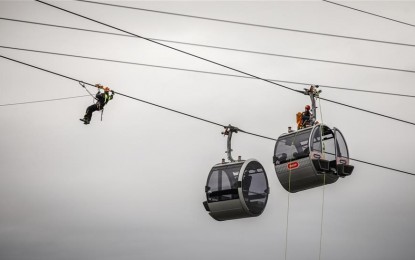
A rope access solution is a specialized system that allows trained workers to reach and perform tasks in elevated or difficult-to-access locations using ropes and associated equipment. Unlike basic rope climbing, professional rope access involves a structured system designed around work positioning, controlled movement, equipment compatibility, and emergency planning. Workers typically use a full-body harness connected to appropriate ropes and mechanical devices that help them ascend, descend, and maintain a stable working position. A properly designed system may incorporate a primary working line and an independent backup system for additional protection. The equipment used must be appropriate for the intended activity and handled by personnel who understand its proper application. Rope access is particularly useful when workers need to reach vertical surfaces or areas that are difficult to access from conventional platforms. For businesses searching for a rope access solution Philippines provider, understanding these fundamentals is an important starting point.
Why Philippine Businesses Need Specialized Access Solutions
The Philippines has a wide range of high-rise buildings, commercial properties, industrial facilities, infrastructure projects, towers, and large structures that require regular inspection and maintenance. Many of these structures include exterior surfaces, elevated equipment, roofs, facades, and other areas that are not easily reached from ground level. Working in these locations without a carefully planned access system can create unnecessary operational and safety challenges. Scaffolding may require significant setup space, while aerial equipment may require suitable ground conditions and sufficient operating clearance. In certain situations, rope access can provide a more flexible way to reach specific work areas without installing extensive temporary structures. It can be particularly useful in urban environments where space around a building is restricted or where access equipment could interfere with normal operations. The decision to use rope access should always be based on a professional evaluation of the site, task, hazards, and available alternatives.
Where Rope Access Solutions Are Commonly Used
Rope access can support a broad range of professional activities involving buildings and structures. One common application is high-rise building maintenance, where technicians may need to access exterior walls, facades, windows, architectural features, and other elevated areas. Rope access can also support building inspections by allowing qualified personnel to visually assess locations that may be difficult to reach from conventional platforms. Industrial facilities can use specialized access techniques for inspection and maintenance involving tanks, vessels, structures, equipment, and elevated components. Bridges, towers, and other infrastructure may also require controlled access for inspection, repair, painting, installation, and maintenance activities. Construction companies can use rope access for selected tasks where conventional access equipment is difficult to deploy. The specific service performed will depend on the technicians’ training, equipment, work scope, and the requirements of the structure.
High-Rise Building Maintenance Through Rope Access
Maintaining the exterior of a high-rise building can be challenging because many important components are located far above ground level. Facades, expansion joints, sealants, architectural elements, drainage systems, and exterior surfaces may require periodic inspection or maintenance. Rope access can provide trained technicians with a means of reaching these areas without necessarily requiring full-height scaffolding. This can be particularly useful for targeted maintenance where only selected areas of the building require attention. Technicians may be able to move between work locations while maintaining an appropriately planned access system. Building owners and facility managers can use professional rope access services for inspection, cleaning, painting, repair, and other suitable exterior tasks. Before any work begins, the structure, anchor points, weather conditions, work area, and rescue requirements should be assessed carefully.
Industrial and Infrastructure Applications
Industrial facilities often contain large structures with elevated components that can be difficult to reach using ordinary ground-based equipment. Storage tanks, processing facilities, structural frameworks, towers, and other installations may require periodic inspection and maintenance. Rope access can provide a practical way for competent technicians to reach selected areas while carrying out specialized work. Infrastructure such as bridges and towers can present similar access challenges because important structural components may be positioned above open spaces, roads, waterways, or uneven terrain. In these environments, selecting an appropriate access system requires careful consideration of the surroundings and potential hazards. Rope access technicians may support inspections, maintenance, repair, installation, painting, and other approved activities depending on their competency and the project requirements. A professional access plan should account for both the work itself and the potential consequences of equipment failure, falling objects, environmental exposure, and emergency situations.
Essential Equipment Used in Rope Access
A reliable rope access system depends on a range of equipment working together as part of a carefully planned setup. A full-body harness provides the primary connection between the technician and the access system while supporting appropriate work positioning. Ropes provide the main means of controlled movement, with systems typically designed to provide both working support and additional protection. Ascenders allow technicians to move upward along a rope, while descenders help them control their downward movement. Connectors such as suitable carabiners are used to connect compatible pieces of equipment. Anchors are another critical component because the access system must be connected to suitable attachment points that have been properly assessed. Helmets, protective equipment, tool-management systems, and other task-specific components may also be required depending on the project.
The Importance of Proper Anchor Assessment
Anchors are one of the most important elements of a rope access system because they connect the access equipment to the structure. A convenient attachment point should never automatically be assumed to be an appropriate anchor. The location, condition, strength, configuration, and intended loading of an anchor point must be properly evaluated. Structural considerations are particularly important when working on buildings, towers, industrial facilities, or aging infrastructure. The access plan should identify suitable anchor arrangements before technicians begin work. Depending on the structure and project, engineered or purpose-designed anchor systems may be required. Professional planning helps ensure that the access system is compatible with the structure and the work being performed.
How Safety Is Managed During Rope Access Operations
Rope access safety involves several layers of planning and control rather than relying on a single piece of equipment. Technicians should have appropriate training and competency for the work they are performing. Equipment should be inspected before use, and items showing damage, excessive wear, or other concerns should be removed from service. The worksite should be assessed for hazards such as falling objects, electrical exposure, sharp edges, moving machinery, unstable surfaces, weather, and activities taking place nearby. Appropriate exclusion zones can help prevent people from entering areas where objects could potentially fall from elevated work locations. Communication between technicians, supervisors, and other site personnel should remain clear throughout the operation. A rescue procedure should also be established in advance so that the team has a planned response if a technician becomes unable to move or requires assistance.
Weather Considerations for Rope Access in the Philippines
Weather is an important consideration for any elevated outdoor operation in the Philippines. Strong winds can affect a technician’s ability to maintain stable positioning and may cause ropes, tools, or materials to move unpredictably. Heavy rain can create slippery surfaces and reduce visibility, while thunderstorms can introduce additional hazards for exposed workers. High temperatures and direct sunlight can also increase physical strain during extended outdoor work. Weather conditions should therefore be monitored before and throughout a rope access operation. A professional provider should establish criteria for postponing or stopping work when environmental conditions are no longer appropriate. Careful weather planning helps protect workers while also reducing the likelihood of interruptions and unexpected complications.
Rope Access Compared With Scaffolding and Aerial Equipment
Different work-at-height methods have different strengths, and rope access should be evaluated alongside other available options. Scaffolding can provide a large and stable working platform and may be suitable when numerous workers need continuous access across a broad surface. Aerial work platforms can offer convenient access when there is sufficient space for the equipment and the ground conditions are suitable. Rope access may provide greater flexibility for targeted work on vertical or difficult-to-reach areas. It can also reduce the need for extensive ground-level equipment in certain applications. However, rope access is not automatically the best choice for every project because the task, structure, duration, environment, and required materials must all be considered. A professional assessment should identify the access method that provides an appropriate balance of safety, practicality, and operational efficiency.
Benefits of a Professional Rope Access Solution Philippines Provider
Working with a professional provider can help organizations approach challenging access requirements in a structured manner. Experienced technicians can assess the work area and identify access challenges before equipment is deployed. Professional planning can also help determine what equipment, anchor arrangements, personnel, and safety controls are needed for the task. Rope access can be highly flexible when workers need to reach specific locations on complex structures. Reduced reliance on large ground-based equipment may also be beneficial in areas with limited space or ongoing activities. Professional technicians can perform suitable inspection, maintenance, repair, and other specialized tasks according to the agreed scope. For companies searching for a rope access solution Philippines, selecting a provider based on competency and safety practices is more important than choosing a service based solely on price.
How to Select the Right Rope Access Provider
The quality of the service provider can have a major influence on how effectively a rope access project is planned and performed. Start by asking about the training and competency of the technicians who will be assigned to the project. Request information about the provider’s experience with structures and work types similar to yours. Ask how the company performs site assessments and identifies potential hazards before work begins. Equipment inspection and maintenance procedures should also be clearly understood. Clients should ask about rescue planning, supervision, communication procedures, and controls for people working or moving below the elevated area. A provider that can clearly explain its work methodology and safety planning demonstrates a more professional approach to project preparation.
Questions to Ask Before Hiring a Rope Access Company
Before selecting a rope access contractor, it is useful to ask several practical questions. First, ask whether the technicians have the appropriate training and competency for the proposed work. Next, ask how the company will assess the site and determine the appropriate access method. Clients should also ask what anchor arrangements will be used and how those anchors will be evaluated. Another important question concerns equipment inspection, including how equipment is checked before being used on a project. Ask the provider to explain its emergency and rescue procedures so you understand how unexpected situations will be handled. Finally, request a detailed scope of work that explains the activities, access requirements, safety controls, responsibilities, and expected deliverables.
Common Mistakes When Hiring Rope Access Services
One of the biggest mistakes businesses can make is choosing a rope access provider based only on the lowest quotation. A low price may not provide enough information about technician competency, equipment quality, site planning, supervision, or emergency preparedness. Another mistake is failing to verify whether the provider has experience with the specific type of structure involved. Clients may also overlook anchor requirements and assume that existing building features are automatically suitable for rope access. Ignoring weather conditions can create additional risks for outdoor elevated operations. Failing to establish exclusion zones can also expose workers, pedestrians, visitors, or building occupants to falling-object hazards. Taking time to evaluate the provider’s technical approach and safety planning can help organizations avoid unnecessary problems.
When Should You Consider Rope Access?
Rope access may be worth considering when a project involves elevated locations that are difficult to reach using conventional equipment. Limited ground space can be an important factor, particularly around busy commercial buildings or industrial sites. Complex building shapes and vertical surfaces can also make rope access a practical option for certain tasks. The duration and scope of the work should be considered because some projects may benefit from targeted access while others may require a continuous platform. The tools, materials, and number of technicians needed for the job can also influence the decision. Environmental conditions and the availability of suitable anchor points must be evaluated before selecting the system. Ultimately, the best access method should be determined through a professional site assessment rather than assumptions based solely on the height of the structure.
FAQ About Rope Access Solution Philippines
What does rope access mean?
Rope access is a specialized work-at-height method that uses ropes, harnesses, mechanical devices, connectors, anchors, and related equipment to provide controlled access to difficult locations. It is designed for trained professionals performing specific work activities. The system typically involves planned access and appropriate backup protection. It is different from ordinary rope climbing because professional operations require structured procedures and risk controls. The exact system depends on the worksite and task. Proper equipment inspection is also an important part of the process. Professional competency is essential for safe implementation.
What services can rope access technicians provide?
Depending on their training and competency, rope access technicians may perform building inspections, facade maintenance, cleaning, painting, repairs, installation support, and industrial inspection activities. They may also support work involving towers, bridges, tanks, and other elevated structures. The specific services available depend on the provider’s capabilities and equipment. Specialized technical tasks may require additional qualifications beyond rope access competency. The work scope should therefore be clearly defined before the project begins. Clients should select providers with experience relevant to the planned activity. Proper planning ensures that the access system supports the actual work requirements.
Is rope access appropriate for high-rise buildings?
Rope access can be appropriate for selected high-rise building applications when the structure, work scope, anchors, environment, and safety requirements are suitable. It can provide access to exterior areas that may be difficult to reach using conventional equipment. High-rise maintenance may involve facade inspection, repairs, cleaning, painting, and other specialized activities. However, the height of a building alone does not determine whether rope access is appropriate. The complete worksite must be evaluated before an access method is selected. Weather conditions and emergency planning are also important considerations. A qualified provider should assess the building and proposed work before operations begin.
What equipment is needed for rope access?
Typical equipment can include full-body harnesses, ropes, ascenders, descenders, connectors, anchor equipment, backup devices, helmets, and task-specific tools. Equipment selection depends on the nature of the project and the work environment. Components must be compatible and appropriate for their intended purpose. Equipment should also be inspected and maintained properly. Technicians should understand the correct use and limitations of every component they operate. Additional equipment may be required for specific inspection, maintenance, or industrial activities. A professional provider should determine the equipment requirements based on the site assessment and work scope.
How safe is professional rope access?
Professional rope access can provide a controlled approach to work at height when appropriate equipment, procedures, training, and supervision are in place. Safety depends on the complete system rather than one individual component. Site hazards need to be identified before work begins. Equipment must be properly selected and inspected. Workers need appropriate training and competency for their assigned tasks. Rescue arrangements should be established before technicians enter the work area. Environmental conditions should also be monitored throughout the operation.
How much does rope access cost in the Philippines?
The cost of rope access varies depending on factors such as the type of work, height, structure, number of technicians, project duration, equipment requirements, access complexity, and site conditions. A simple exterior inspection may have different requirements from a large industrial maintenance project. Additional planning, specialized equipment, or difficult access conditions can affect the overall project cost. Clients should request a detailed quotation rather than relying on a generic price. Comparing quotations should involve more than the final amount because safety procedures, technician competency, equipment, scope, and project planning are also important. A site assessment can provide a more accurate basis for pricing. Businesses should discuss the complete project requirements with the provider before work begins.
Can rope access be used for industrial inspection?
Yes, rope access can support various industrial inspection activities where qualified personnel need access to elevated or difficult-to-reach areas. Industrial structures can include tanks, vessels, towers, platforms, structural frameworks, and other installations. Rope access can help technicians reach selected areas without relying entirely on large ground-based equipment. The inspection method itself may require additional technical qualifications depending on what is being assessed. Clients should therefore confirm that the assigned personnel have the necessary competencies for both access and inspection activities. Site-specific hazards must also be evaluated before work begins. Proper planning helps ensure that access requirements do not interfere with the inspection objectives.
How do I find a reliable rope access solution Philippines provider?
Look for a provider that can demonstrate appropriate technician competency, relevant project experience, suitable equipment, clear safety procedures, and effective planning. Ask how the company evaluates the worksite and identifies hazards. Request information about equipment inspection and maintenance. Discuss anchor arrangements and rescue procedures before approving the work. A detailed proposal should clearly explain the work scope and access methodology. Avoid selecting a provider solely because it offers the lowest price. A professional approach to planning and safety should be a major part of your selection criteria.
Takeaway: Choosing a Smarter Approach to Difficult Access
A rope access solution Philippines service can help businesses address challenging work-at-height requirements across buildings, industrial facilities, infrastructure, and other structures. Its flexibility makes it useful for selected inspection, maintenance, repair, cleaning, installation, and construction-related activities. However, successful rope access depends on proper planning, competent technicians, suitable equipment, appropriate anchor systems, and effective emergency procedures. Businesses should assess the actual worksite before deciding whether rope access is the right access method. Comparing it with scaffolding, aerial work platforms, and other options can help project managers make a better-informed choice. When selecting a service provider, consider technical competency, equipment practices, safety planning, relevant experience, and the ability to clearly explain the proposed work process. A professional approach can help organizations manage difficult access requirements while keeping safety and operational efficiency at the center of the project.