Working at elevated locations comes with significant risks, making reliable fall protection essential for every job site. A Vertical Lifeline is one of the most trusted safety solutions for workers who climb ladders, towers, scaffolding, and other vertical structures. Designed to provide continuous fall protection, this system helps minimize the risk of serious injuries by supporting workers during ascent and descent. Whether used in construction, telecommunications, industrial maintenance, or utility work, a Vertical Lifeline plays an important role in creating a safer work environment. Understanding how this equipment functions, where it is used, and how to maintain it properly can make a meaningful difference in workplace safety. Employers and workers alike benefit from learning the best practices associated with Vertical Lifeline systems. With the right knowledge and equipment, working at heights becomes significantly safer and more efficient.
What Is a Vertical Lifeline?
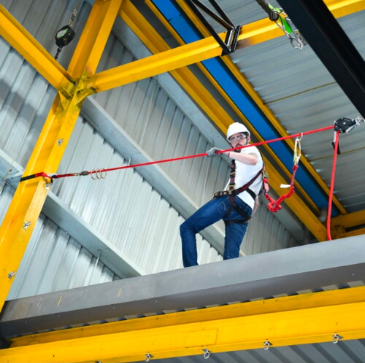
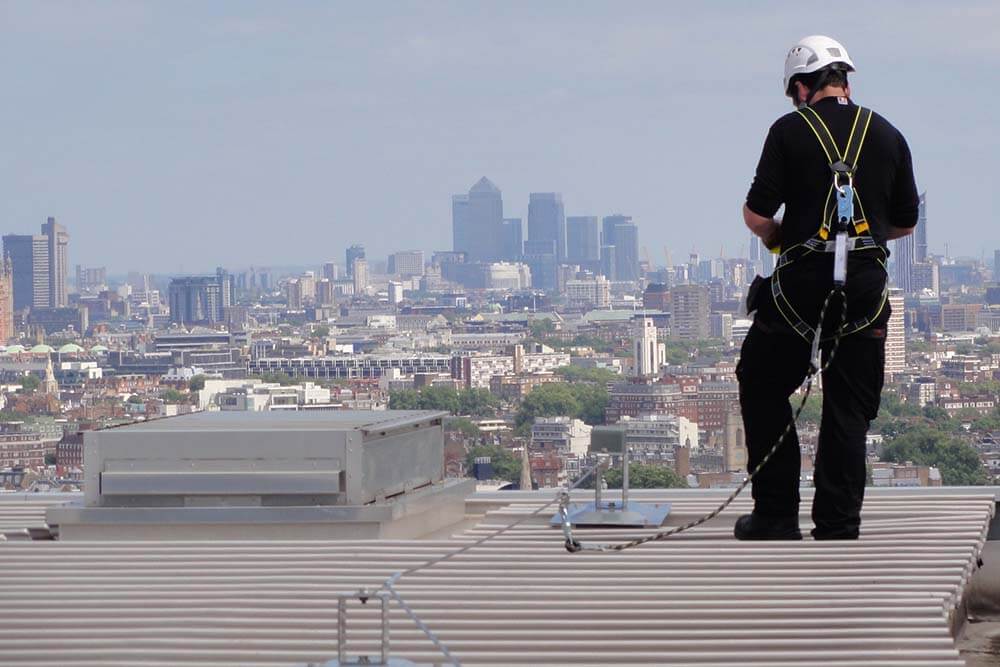
A Vertical Lifeline is a flexible rope or cable that connects a worker to an approved anchorage point while performing tasks at elevated locations. It serves as an essential component of a personal fall protection system by allowing workers to move vertically while remaining protected. When paired with compatible equipment such as a full-body harness and rope grab, the system travels with the worker and locks in place if a fall occurs. This rapid locking action helps reduce the distance of a fall and lowers the forces experienced by the worker. Vertical Lifeline systems are commonly used wherever climbing is required, including ladders, towers, and confined spaces. They are available in various materials and configurations to meet different job site requirements. Choosing the proper Vertical Lifeline helps ensure dependable protection while allowing workers to perform their duties confidently.
How a Vertical Lifeline Works
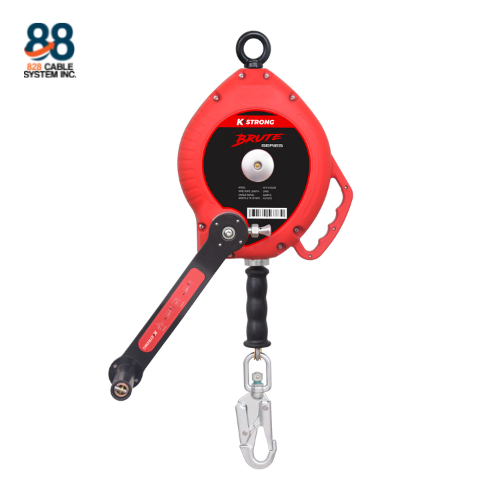
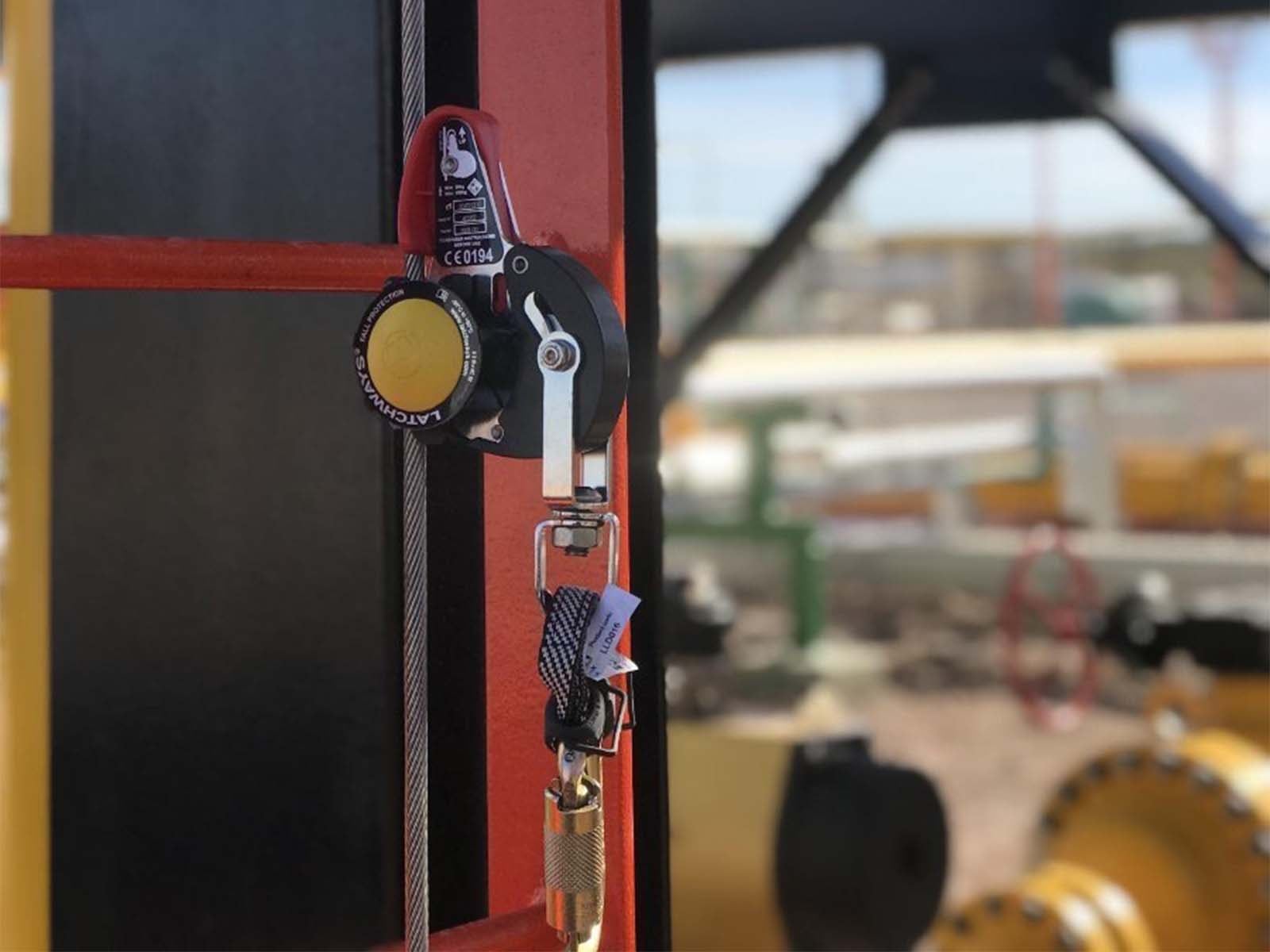
A Vertical Lifeline operates by connecting a worker’s harness to a secure anchor through a rope or cable. Attached to the lifeline is a rope grab or fall arrest device that moves freely as the worker climbs or descends. Under normal movement, the device slides smoothly along the lifeline without restricting mobility. If a sudden fall occurs, the rope grab instantly locks onto the lifeline to stop further movement. This mechanism helps reduce the free-fall distance and supports the worker until rescue procedures begin. The effectiveness of the system depends on proper installation, compatible equipment, and regular inspections. Understanding how each component works together is essential for maximizing the protection offered by a Vertical Lifeline.
Key Components of a Vertical Lifeline System
Every Vertical Lifeline system includes several critical components that work together to provide dependable fall protection. The lifeline itself may be made from synthetic rope or steel cable depending on the application. A certified anchorage point serves as the secure attachment that supports the entire system. Workers wear a properly fitted full-body harness that distributes fall arrest forces more safely across the body. A rope grab or cable sleeve connects the harness to the Vertical Lifeline while allowing controlled movement. Shock-absorbing lanyards may also be included to reduce the impact forces during a fall. Connectors such as locking carabiners complete the system by securely joining all components together. Each part must be compatible and certified for use within the same fall protection system.
Where Vertical Lifelines Are Commonly Used
A Vertical Lifeline is widely used across industries where employees regularly work above ground level. Construction workers rely on these systems when climbing scaffolds, structural steel, and fixed ladders. Utility companies use Vertical Lifelines while maintaining power poles and electrical transmission structures. Telecommunications technicians depend on them when servicing communication towers and antennas. Industrial facilities utilize Vertical Lifeline systems for equipment maintenance, silo access, and confined space entry. Building maintenance crews also benefit from these systems during elevator inspections, facade maintenance, and window cleaning. Wind energy technicians frequently use Vertical Lifelines while climbing wind turbines for maintenance and inspections. Their versatility makes them valuable across numerous high-risk work environments.
Types of Vertical Lifeline Systems
There are several types of Vertical Lifeline systems designed to meet different workplace needs. Temporary Vertical Lifelines are commonly used on construction sites because they can be installed quickly and relocated as projects progress. Permanent Vertical Lifelines remain installed on structures such as communication towers and industrial facilities for long-term access. Rope Vertical Lifelines are lightweight, portable, and suitable for many general applications. Cable Vertical Lifelines offer exceptional durability and are often selected for permanent installations exposed to harsh environmental conditions. Some systems are designed specifically for fixed ladders, while others provide flexibility for changing work environments. Selecting the correct type depends on job requirements, environmental exposure, worker mobility, and regulatory considerations. Understanding these options helps organizations choose the most effective solution for their specific applications.
Benefits of Using a Vertical Lifeline
A properly installed Vertical Lifeline offers numerous benefits beyond basic fall protection. The primary advantage is enhanced worker safety by reducing the likelihood of severe fall injuries. Continuous protection allows employees to climb with greater confidence while remaining connected throughout the task. Increased worker confidence often leads to improved productivity because employees can focus more effectively on their responsibilities. A Vertical Lifeline also supports compliance with workplace safety regulations and organizational safety policies. Employers benefit from reducing accident-related downtime, workers’ compensation claims, and equipment damage. Investing in quality fall protection equipment demonstrates a commitment to employee well-being and workplace excellence. These combined advantages make the Vertical Lifeline an essential part of any comprehensive fall protection program.
How to Choose the Right Vertical Lifeline
Selecting the appropriate Vertical Lifeline begins with evaluating the work environment and potential hazards. Indoor and outdoor locations may require different materials due to weather exposure, moisture, or chemical contact. The expected climbing height also influences the required length and design of the lifeline. Employers should verify that the system’s load capacity accommodates both the worker and any carried equipment. Compatibility with harnesses, rope grabs, connectors, and anchorage devices is equally important for overall system performance. Durability, ease of installation, and maintenance requirements should also be considered before purchasing. Consulting manufacturer recommendations and safety professionals helps ensure the selected Vertical Lifeline meets operational and regulatory needs. Careful planning contributes to safer and more reliable working conditions.
Best Practices for Safe Vertical Lifeline Use
Using a Vertical Lifeline correctly requires consistent attention to safety procedures before, during, and after each job. Workers should inspect the rope, cable, connectors, and hardware before every use to identify signs of wear or damage. The anchorage point must always meet the required strength specifications and be approved for fall protection applications. Employees should wear properly fitted full-body harnesses that are compatible with the selected Vertical Lifeline system. Manufacturer instructions must be followed carefully because equipment limitations vary between models. Proper training ensures workers understand equipment operation, inspection procedures, emergency response, and rescue planning. Supervisors should regularly reinforce safe work practices through ongoing education and site inspections. These habits significantly improve the effectiveness of the overall fall protection program.
Inspection and Maintenance Tips
Routine inspection and maintenance are essential for keeping a Vertical Lifeline in dependable working condition. Workers should perform visual inspections before every use, checking for frayed rope fibers, cuts, corrosion, broken strands, and damaged hardware. Any component showing signs of excessive wear should be removed from service immediately. Scheduled inspections by qualified personnel provide a more detailed evaluation and help verify continued compliance with safety requirements. Maintenance records should document inspections, repairs, and equipment replacements to support workplace safety programs. Proper storage protects the Vertical Lifeline from sunlight, moisture, chemicals, dirt, and physical damage when not in use. Equipment that has arrested a fall should never be returned to service unless specifically approved by the manufacturer after proper evaluation. Consistent maintenance extends equipment life while helping ensure reliable performance.
Common Mistakes to Avoid When Using a Vertical Lifeline
Several avoidable mistakes can reduce the effectiveness of a Vertical Lifeline system. One of the most common errors is using damaged or worn equipment that has not been properly inspected. Selecting an improper anchorage point may compromise the entire fall protection system regardless of the equipment’s quality. Some workers mistakenly combine incompatible components from different manufacturers, creating unexpected safety risks. Skipping routine inspections increases the likelihood of unnoticed damage affecting system performance. Insufficient training may result in improper equipment use or delayed emergency response during an incident. Another frequent mistake is failing to adjust the harness correctly, reducing its effectiveness during fall arrest. Avoiding these common errors helps maximize the protective value of every Vertical Lifeline installation.
Industry Standards and Safety Regulations
Safety standards establish consistent requirements for the design, testing, and use of Vertical Lifeline systems. Employers should understand applicable workplace safety regulations governing fall protection in their industry. Regulatory requirements often specify when fall protection is necessary and what equipment must be used. Industry standards also define testing procedures, inspection guidelines, and performance expectations for equipment manufacturers. Following recognized standards helps employers reduce legal risks while providing safer working conditions. Workers benefit from equipment that has been evaluated according to rigorous performance requirements. Ongoing compliance demonstrates a strong organizational commitment to protecting employees working at elevated locations. Staying informed about current standards supports continuous improvement in workplace safety.
Frequently Asked Questions
What is a Vertical Lifeline used for?
A Vertical Lifeline is used to provide continuous fall protection for workers climbing or descending elevated structures such as ladders, towers, scaffolding, and industrial facilities. It connects the worker to a secure anchor while allowing controlled movement.
How is a Vertical Lifeline different from a horizontal lifeline?
A Vertical Lifeline supports movement up and down, while a horizontal lifeline is designed for workers traveling across elevated work areas. Each system serves different workplace applications and requires specific equipment.
Can multiple workers use one Vertical Lifeline?
Some systems are designed for a single user, while others are engineered to accommodate multiple workers. The manufacturer’s specifications should always determine the permitted number of users.
How often should a Vertical Lifeline be inspected?
A visual inspection should be completed before every use, with comprehensive inspections conducted periodically by qualified personnel according to manufacturer recommendations and workplace safety policies.
What materials are commonly used for Vertical Lifelines?
Most Vertical Lifelines are manufactured from synthetic rope or galvanized or stainless steel cable. Material selection depends on environmental conditions, durability requirements, and intended application.
Can a Vertical Lifeline be used outdoors?
Yes. Many Vertical Lifeline systems are specifically designed for outdoor environments. Users should select materials that resist weather, moisture, corrosion, and ultraviolet exposure when necessary.
When should a Vertical Lifeline be replaced?
A Vertical Lifeline should be replaced if it shows signs of damage, excessive wear, chemical exposure, or if it has been involved in a fall arrest event, unless the manufacturer provides specific inspection and reuse guidance.
Is training required before using a Vertical Lifeline?
Yes. Proper training helps workers understand equipment inspection, correct usage, emergency procedures, and safe work practices, all of which contribute to reducing fall-related risks.
Takeaway
A Vertical Lifeline is one of the most valuable components of a comprehensive fall protection system for workers performing tasks at height. By combining a secure anchorage point, compatible fall arrest equipment, and proper worker training, organizations can significantly improve workplace safety. Selecting the appropriate Vertical Lifeline for the work environment, performing routine inspections, and following established safety procedures all contribute to dependable performance. Employers who prioritize high-quality equipment and ongoing safety education create safer job sites while supporting productivity and regulatory compliance. As industries continue to emphasize worker protection, the Vertical Lifeline remains an essential solution for reducing fall hazards and promoting confidence when working in elevated environments.