Concrete remains one of the most important materials used for buildings, roads, bridges, foundations, and various infrastructure projects. The strength and durability of a structure depend greatly on the quality of Concrete selected, mixed, placed, and cured during construction.
A reliable Concrete testing process helps confirm whether materials meet required strength levels and project specifications. Without proper Concrete evaluation, construction teams may face issues such as cracking, reduced load capacity, premature deterioration, and costly repairs.
Every construction project requires accurate information about Concrete performance. Engineers, contractors, developers, and project managers rely on Concrete testing results to make informed decisions about structural safety and long-term performance.
Inch-On Materials Testing Laboratory provides professional Concrete testing services designed to verify material quality through recognized procedures. As a DPWH-BRS accredited Engineering and Construction Laboratory, Inch-On evaluates Concrete, soil, and other construction materials using established ASTM and AASHTO standards.
What Is Concrete and Why Is Its Quality Important?
Concrete is a composite material made from cement, water, aggregates, and other additives designed to achieve specific performance requirements. The combination of these components determines the strength, durability, and overall behavior of Concrete structures.
High-quality Concrete supports the stability of foundations, walls, columns, beams, pavements, and other structural elements. Poor Concrete quality may affect the safety and service life of a project.
Several factors affect Concrete performance, including:
- Water-cement ratio
- Aggregate quality
- Cement characteristics
- Mixing procedures
- Placement techniques
- Curing conditions
- Environmental exposure
Proper Concrete testing allows construction professionals to verify if materials meet the required standards before major project stages proceed.
Concrete testing also helps identify possible issues early. Detecting low-strength Concrete batches before project completion can reduce the possibility of expensive demolition, replacement, or structural corrections.
Understanding Concrete Strength and Performance
Concrete strength refers to the ability of Concrete to resist applied forces without failure. One of the most common ways to evaluate Concrete strength is through laboratory testing procedures that measure how much pressure a sample can withstand.
Concrete performance depends on several elements working together. A properly designed Concrete mixture combined with correct installation practices creates stronger and more durable structures.
Factors That Affect Concrete Strength
Concrete strength may change depending on material selection and construction methods.
The water-cement ratio plays a major role in Concrete performance. Too much water may reduce strength, while proper proportions help create a stronger Concrete mixture.
Aggregate quality also affects Concrete durability. Clean and properly graded aggregates help produce consistent results.
Curing is another important factor. Proper curing allows Concrete to develop strength and reduces risks associated with cracking or surface damage.
Why Concrete Strength Testing Is Required
Concrete strength testing provides measurable data about material performance. These results help professionals:
- Confirm Concrete quality
- Check compliance with project requirements
- Evaluate material consistency
- Support structural decisions
- Maintain construction quality control
Reliable Concrete testing provides valuable information for engineers, inspectors, and contractors during different project phases.
Common Types of Concrete Testing Methods
Different Concrete testing methods evaluate specific characteristics of Concrete materials. Each procedure follows established standards to produce accurate and dependable results.
Concrete Compression Strength Testing
Concrete compression testing measures the ability of Concrete samples to resist compressive forces. This procedure is widely used because compression strength represents one of the key indicators of Concrete performance.
Concrete cylinder samples are prepared, cured, and tested using specialized equipment. The results show whether Concrete meets the required strength level specified for a project.
Inch-On Materials Testing Laboratory performs Concrete compression testing following ASTM C39 procedures. This standard provides guidelines for accurate evaluation of Concrete cylinder strength.
Concrete Flexural Strength Testing
Concrete flexural strength testing measures how Concrete performs when exposed to bending forces. This type of Concrete evaluation is especially useful for applications such as pavements, slabs, and other elements affected by bending stress.
ASTM C78 provides guidelines for Concrete flexural strength testing. Following this standard helps ensure reliable test results that support construction quality evaluation.
Concrete Hollow Block Testing
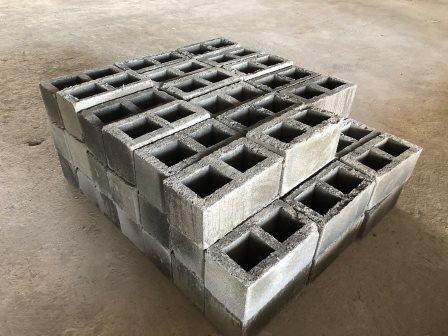
Concrete Hollow Block (CHB) testing evaluates masonry units used for walls and other structural applications. Proper CHB testing helps confirm strength, durability, and quality.
ASTM C140 provides procedures for evaluating Concrete masonry units. Through proper CHB testing, construction professionals can verify whether blocks meet required specifications.
The Importance of ASTM Standards for Concrete Testing
ASTM standards provide recognized procedures for evaluating Concrete quality and performance. These standards help laboratories perform consistent testing methods while producing reliable results.
Concrete testing based on ASTM procedures gives project teams confidence that results come from controlled and accepted methods.
Inch-On Materials Testing Laboratory follows ASTM standards for various Concrete testing services, including:
- ASTM C39 for Concrete compression strength testing
- ASTM C78 for Concrete flexural strength testing
- ASTM C140 for Concrete masonry unit testing
Following recognized standards allows Concrete test results to support engineering reviews, inspection requirements, and construction documentation.
Field and Laboratory Concrete Testing Services
Concrete evaluation may require both site-based assessment and controlled laboratory procedures. Combining both approaches provides a complete view of Concrete performance.
On-Site Concrete Testing
Field Concrete testing involves evaluation performed directly at the project location. This process allows specialists to collect samples and assess conditions connected to actual construction activities.
On-site Concrete testing helps verify:
- Material conditions
- Sample quality
- Project compliance
- Construction progress requirements
Accurate site procedures are important because proper sampling affects the reliability of final Concrete testing results.
Laboratory Concrete Testing
Laboratory Concrete testing provides controlled evaluation using specialized equipment and established procedures.
A professional Concrete laboratory examines samples under controlled conditions to determine strength and quality characteristics.
Inch-On Materials Testing Laboratory provides laboratory testing services for Concrete and other construction materials. The laboratory follows ASTM and AASHTO procedures to deliver dependable technical results.
How Inch-On Materials Testing Laboratory Supports Construction Projects
Choosing the right Concrete testing partner helps construction teams maintain quality from early project stages through completion.
Inch-On Materials Testing Laboratory was established in November 2018 as an independent testing laboratory focused on verifying soil and construction material quality.
The laboratory provides testing services for:
- Concrete
- Concrete Hollow Blocks
- Soil materials
- Foundation piles
- Other construction materials
DPWH-BRS Accredited Laboratory
Inch-On Materials Testing Laboratory is accredited by the Department of Public Works and Highways – Bureau of Research and Standards. This accreditation reflects the laboratory’s commitment to recognized testing procedures and accurate evaluation.
A DPWH-BRS accredited Concrete testing laboratory provides dependable documentation needed for construction reviews and project requirements.
Specialized Testing Equipment and Technical Expertise
Concrete testing requires proper equipment, trained personnel, and established procedures. Inch-On uses specialized equipment to evaluate Concrete, soil, and foundation-related materials.
Through accurate Concrete testing methods, the laboratory helps project teams verify structural material performance.
Detailed Concrete Testing Reports
Concrete testing reports provide important information about material results and performance. These reports help engineers, contractors, and inspectors review whether Concrete meets required specifications.
Clear documentation supports better project decisions and improves construction monitoring.
Benefits of Professional Concrete Testing Services
Professional Concrete testing offers several advantages for construction projects.
Helps Prevent Structural Issues
Concrete testing identifies possible material concerns before they become major problems. Early detection allows teams to address concerns before they affect completed structures.
Supports Construction Compliance
Concrete testing helps confirm that materials meet project specifications and recognized standards.
Improves Quality Control
Regular Concrete evaluation allows construction teams to monitor material consistency throughout project development.
Reduces Future Repair Costs
Accurate Concrete testing helps prevent problems linked to weak or unsuitable materials. Proper evaluation may reduce expenses related to repairs, replacements, and corrective work.
Concrete Testing Process With Inch-On Materials Testing Laboratory
A professional Concrete testing process involves several important stages.
Sample Collection
Concrete samples are collected according to project requirements and testing procedures. Proper sample handling helps maintain accurate results.
Specimen Preparation and Curing
Collected Concrete samples undergo preparation and curing before laboratory evaluation. Controlled curing conditions help determine realistic Concrete performance.
Laboratory Testing
Prepared samples are tested using approved ASTM procedures. Specialized equipment measures Concrete strength and other required characteristics.
Results Analysis and Reporting
After testing, Inch-On prepares detailed reports containing Concrete test results. These reports provide valuable information for project evaluation.
Why Choose Inch-On for Concrete Testing Services?
Selecting a reliable Concrete testing laboratory helps protect construction investments and improve project outcomes.
Accurate Concrete Testing Procedures
Inch-On follows recognized ASTM and AASHTO standards when performing Concrete testing. Regular equipment checks and controlled procedures support reliable results.
Complete Concrete Testing Solutions
The laboratory provides both field and laboratory services for Concrete evaluation. This complete approach helps construction teams receive accurate material information.
Trusted Support for Construction Professionals
Engineers, contractors, developers, and inspectors require dependable Concrete data for project decisions. Inch-Reliable Concrete Testing Builds Stronger Structures
Concrete quality plays a major role in the safety, durability, and success of construction projects. Proper Concrete testing provides essential information about material strength, performance, and compliance.
From Concrete compression testing to Concrete Hollow Block evaluation, Inch-On Materials Testing Laboratory provides professional services supported by ASTM standards and DPWH-BRS accreditation.
Reliable Concrete testing helps construction teams create stronger structures, improve quality control, and protect long-term project value.
Frequently Asked Questions About Concrete Testing
What is Concrete testing?
Concrete testing is the process of evaluating Concrete quality, strength, and performance through approved testing procedures.
Why is Concrete strength testing important?
Concrete strength testing confirms whether Concrete materials meet required project standards and helps identify possible quality concerns.
What ASTM standards are used for Concrete testing?
Common Concrete testing standards include ASTM C39 for compression testing, ASTM C78 for flexural testing, and ASTM C140 for Concrete masonry unit testing.
When should Concrete testing be performed?
Concrete testing schedules depend on project requirements, specifications, and construction stages. Testing is usually planned during material evaluation and quality control activities.
Where can I request Concrete testing services?
Construction companies, contractors, and engineers can request Concrete testing services from Inch-On Materials Testing Laboratory for accurate evaluation of Concrete and construction materials.