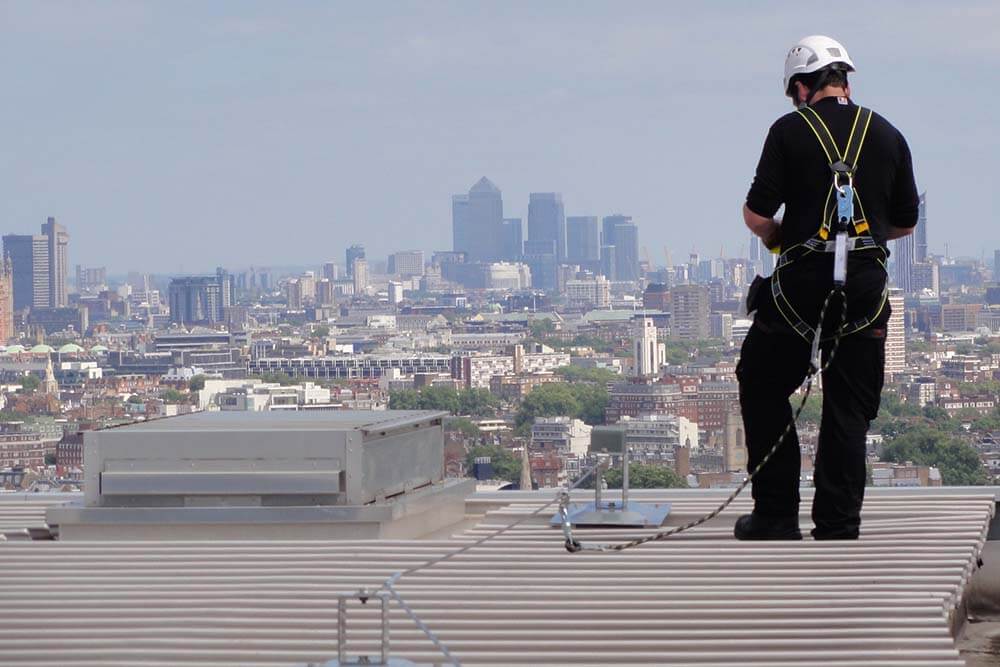
Working at heights remains one of the most hazardous tasks across many industries, making reliable fall protection a top priority. Businesses involved in construction, manufacturing, utilities, telecommunications, warehousing, and building maintenance understand that a single fall incident can have devastating consequences for workers and operations. This is why Horizontal Lifeline Philippines has become an increasingly important topic for organizations that value workplace safety and regulatory compliance. A properly designed horizontal lifeline system allows workers to move freely across elevated work areas while remaining connected to a secure anchorage point. Instead of disconnecting and reconnecting repeatedly, employees can maintain continuous protection, significantly reducing the risk of falls. Investing in the right horizontal lifeline system also demonstrates an organization’s commitment to protecting its workforce and maintaining productivity. Understanding how these systems work and how to choose the right one is essential for every company performing work at heights.
Why Horizontal Lifeline Systems Are Essential in the Philippines
The Philippines continues to experience rapid growth in commercial construction, industrial expansion, transportation infrastructure, renewable energy projects, and high-rise developments. As these sectors expand, more employees are required to perform tasks on rooftops, elevated platforms, steel structures, and maintenance walkways. These environments expose workers to serious fall hazards that require dependable protection systems. A horizontal lifeline provides continuous attachment while allowing workers to move across long distances without sacrificing safety. This flexibility improves productivity because workers spend less time reconnecting to different anchor points and more time completing their assigned tasks. Companies that prioritize work-at-height protection often experience fewer accidents, reduced downtime, and improved employee confidence. Choosing a high-quality Horizontal Lifeline Philippines solution helps organizations create safer workplaces while supporting long-term operational efficiency.
What Is a Horizontal Lifeline?
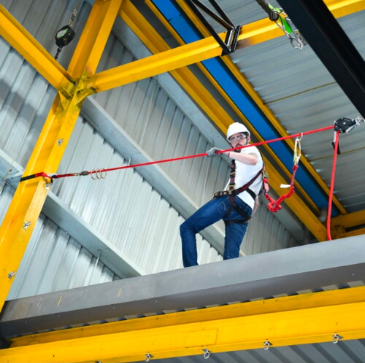
A horizontal lifeline is a fall protection system consisting of a flexible steel cable or rigid rail installed between engineered anchor points. Workers connect their personal fall protection equipment to this lifeline using approved connectors, allowing them to travel safely along an elevated work area. If a fall occurs, the system helps arrest the fall while limiting the forces transferred to both the worker and the supporting structure. Horizontal lifelines are designed for applications where employees need freedom of movement over extended distances rather than remaining stationary. These systems can be temporary for short-term construction projects or permanent for facilities requiring ongoing maintenance. A complete setup generally includes anchor points, connectors, energy absorbers, compatible harnesses, and other engineered components working together as one integrated system. Understanding each component is critical because every part contributes to overall safety and system performance.
How Horizontal Lifeline Systems Work
A horizontal lifeline system functions by creating a secure travel path that allows workers to remain attached throughout their work activities. When properly installed, the cable or rail remains under controlled tension between engineered anchor points. As employees move along the work area, their connecting devices travel smoothly with them while maintaining continuous protection. If an accidental fall occurs, built-in energy absorbers help reduce the impact forces generated during the arrest process. The anchors, lifeline, connectors, and personal protective equipment work together to distribute loads in a controlled manner. Engineering calculations are essential because every installation must account for span length, structural capacity, worker weight, and anticipated fall forces. Proper design ensures the system performs exactly as intended during both routine operations and emergency situations.
Common Industries That Use Horizontal Lifeline Philippines
Many industries throughout the Philippines rely on horizontal lifeline systems to protect workers performing elevated tasks. Construction companies install them on building rooftops, bridges, and structural steel during development projects. Manufacturing facilities use them above production equipment where routine maintenance is required. Warehouses benefit from lifeline systems when servicing elevated conveyor systems, storage racks, and overhead machinery. Utility providers install them for electrical maintenance, renewable energy projects, and transmission infrastructure. Telecommunications companies use horizontal lifelines while servicing communication towers and rooftop equipment. Building owners also depend on permanent systems to support facade cleaning, window maintenance, roofing inspections, and mechanical servicing. The versatility of Horizontal Lifeline Philippines makes it suitable for nearly any workplace where fall hazards exist.
Types of Horizontal Lifeline Systems
Several types of horizontal lifeline systems are available to match different working environments and operational requirements. Permanent horizontal lifelines are commonly installed on commercial buildings, industrial facilities, and infrastructure where routine maintenance occurs throughout the year. These engineered systems are designed for long-term durability and frequent use. Temporary horizontal lifelines are ideal for construction projects, shutdown maintenance, and short-term repair work because they can be installed and removed efficiently. Cable-based systems are highly versatile and accommodate long travel distances while remaining cost-effective. Rail-based systems provide exceptionally smooth movement and often require less deflection during a fall event, making them ideal for specialized applications. Each system offers unique advantages depending on the work environment, structural conditions, and number of users. Selecting the correct design should always involve careful planning and engineering evaluation.
Main Components of a Horizontal Lifeline System
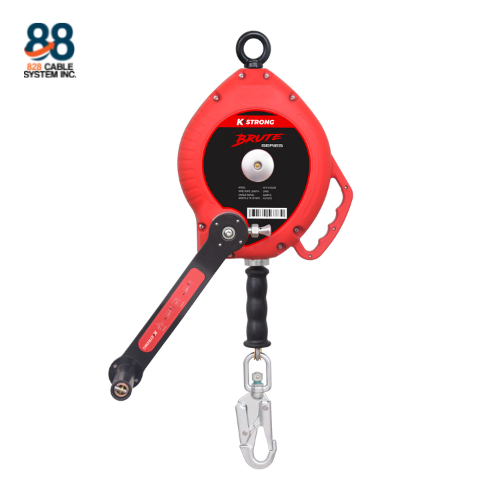
Every horizontal lifeline relies on multiple components working together to provide dependable fall protection. Anchor points serve as the primary structural connection capable of supporting anticipated loads. The steel cable or rigid rail forms the travel path that workers connect to throughout their tasks. Intermediate supports help maintain alignment and reduce excessive cable movement over long spans. Energy absorbers minimize fall arrest forces, protecting both workers and the supporting structure. Tension indicators help verify that cable systems remain properly adjusted for optimal performance. Connectors such as trolleys, carriages, or compatible attachment devices allow smooth worker movement along the lifeline. Personal protective equipment, including full body harnesses, self-retracting lifelines, and shock-absorbing lanyards, completes the overall fall protection system. Regular inspections ensure every component remains in safe operating condition and continues performing according to design specifications.
Benefits of Installing a Horizontal Lifeline Philippines
Installing a horizontal lifeline system delivers numerous advantages that extend beyond regulatory compliance. Continuous fall protection allows employees to remain safely connected while moving freely across elevated workspaces. Increased mobility improves workflow because workers no longer need to disconnect repeatedly from separate anchor points. Better accessibility allows maintenance teams to perform inspections and repairs more efficiently. Organizations also benefit from reduced accident-related expenses, lower downtime, and improved project scheduling. A visible commitment to worker safety strengthens employee confidence and promotes a stronger workplace safety culture. Long-lasting engineered systems often provide excellent value over many years of service when properly maintained. Investing in Horizontal Lifeline Philippines demonstrates that worker protection is treated as an essential part of every operation rather than an afterthought.
Factors to Consider Before Choosing a Horizontal Lifeline System
Selecting the appropriate horizontal lifeline requires careful evaluation of several important factors. Companies should first determine the type of work being performed and how workers will move throughout the elevated area. Structural capacity must be assessed to verify that anchor locations can safely support fall arrest loads. Environmental conditions such as humidity, coastal exposure, chemicals, and temperature variations may influence material selection. The number of simultaneous users affects system design and engineering calculations. Maintenance requirements should also be considered because routine inspections help preserve long-term reliability. Compatibility with existing personal protective equipment is equally important since not all components are universally interchangeable. Working with experienced fall protection specialists helps ensure every aspect of the system is properly designed, installed, and documented for safe operation.
Installation Best Practices
Proper installation plays a vital role in achieving the expected level of protection from any horizontal lifeline system. Every project should begin with a detailed site assessment that identifies potential hazards and structural limitations. Qualified engineers evaluate the supporting structure to determine appropriate anchor locations and load capacities. Installation teams must follow manufacturer specifications to ensure every component is assembled correctly. Load testing and system verification provide additional confidence that the installation meets required performance standards. Workers should receive training on proper system use before beginning work at height. Clear documentation, inspection records, and maintenance schedules help preserve long-term system integrity. Following established installation best practices helps maximize both worker safety and equipment lifespan.
Inspection and Maintenance Requirements
Routine inspection and maintenance are essential responsibilities for organizations using horizontal lifeline systems. Workers should visually inspect equipment before every use, looking for corrosion, cable damage, loose fittings, worn connectors, or signs of unauthorized modifications. Qualified inspectors should conduct scheduled comprehensive evaluations according to manufacturer recommendations and workplace safety procedures. Cable tension should be checked regularly because improper adjustment can affect system performance during a fall event. Damaged or worn components should be removed from service immediately and replaced with approved parts. Maintenance records provide valuable documentation that supports safety audits and compliance programs. Keeping the system clean and protected from unnecessary environmental damage also extends its useful life. Consistent maintenance ensures the horizontal lifeline remains dependable whenever workers require protection.
Common Mistakes to Avoid
Several preventable mistakes can reduce the effectiveness of a horizontal lifeline system if proper precautions are not followed. Installing anchors without engineering verification may result in insufficient structural support during a fall. Selecting incompatible harnesses, connectors, or self-retracting lifelines can compromise overall system performance. Skipping routine inspections allows small problems to develop into significant safety risks over time. Allowing untrained personnel to install or modify the system increases the likelihood of improper installation. Ignoring manufacturer instructions can lead to unsafe configurations that may not perform as intended during an emergency. Delaying maintenance because equipment appears functional often creates unnecessary hazards that remain hidden until an incident occurs. Organizations that prioritize proper planning, professional installation, ongoing training, and scheduled inspections greatly reduce these avoidable risks.
Why Quality Matters When Investing in Horizontal Lifeline Philippines
Not all fall protection systems are manufactured to the same standards, making quality a critical consideration when selecting a horizontal lifeline. High-quality systems are engineered using durable materials capable of withstanding demanding industrial environments and repeated use. Reliable manufacturers invest in product testing, engineering validation, and quality control to ensure consistent performance. Better-designed systems often require less maintenance while providing greater long-term value for facility owners. Investing in quality equipment also helps reduce operational disruptions caused by premature component failure or unnecessary repairs. Workers gain greater confidence knowing they are protected by dependable equipment that has been properly engineered for their specific work environment. Choosing a trusted Horizontal Lifeline Philippines solution supports safer operations, protects valuable personnel, and contributes to sustainable workplace safety programs for years to come.
Frequently Asked Questions (FAQ)
What is a horizontal lifeline system?
A horizontal lifeline system is a fall protection solution that allows workers to remain continuously connected while moving across elevated work areas. It typically consists of engineered anchors, a cable or rail, energy absorbers, and compatible personal protective equipment.
Where are horizontal lifeline systems commonly used in the Philippines?
They are widely used in construction sites, manufacturing plants, warehouses, power facilities, telecommunications projects, commercial buildings, transportation infrastructure, and building maintenance operations.
Can multiple workers use one horizontal lifeline system?
Yes, many systems are engineered to accommodate multiple users. However, the allowable number of users depends on the manufacturer’s specifications, engineering calculations, and structural capacity.
How often should a horizontal lifeline be inspected?
Workers should inspect the system before every use, while qualified personnel should perform detailed periodic inspections according to manufacturer recommendations and workplace safety requirements.
Is professional installation necessary?
Yes. Professional installation helps ensure the system is properly engineered, installed, tested, and documented for safe operation. Improper installation can significantly reduce the system’s effectiveness.
What equipment works with a horizontal lifeline?
Compatible equipment generally includes full body harnesses, self-retracting lifelines, shock-absorbing lanyards, connectors, and other components approved by the system manufacturer.
How do I choose the right horizontal lifeline system?
The best choice depends on your work environment, structural conditions, number of users, required travel distance, environmental exposure, maintenance needs, and applicable safety requirements. Consulting experienced fall protection professionals can help identify the most appropriate solution.
Are permanent systems better than temporary systems?
Neither option is universally better. Permanent systems are ideal for facilities requiring regular maintenance, while temporary systems are better suited for short-term projects where flexibility and portability are priorities.
Takeaway
A well-designed Horizontal Lifeline Philippines system is one of the most effective investments organizations can make to improve work-at-height safety. By allowing continuous mobility while maintaining dependable fall protection, these systems help reduce risks, improve productivity, and support a stronger safety culture. Choosing the appropriate system requires careful consideration of the work environment, structural conditions, equipment compatibility, and long-term maintenance requirements. Professional engineering, correct installation, regular inspections, and ongoing worker training all contribute to reliable performance throughout the system’s lifespan. Organizations that prioritize quality fall protection not only protect their workforce but also strengthen operational efficiency and demonstrate a lasting commitment to workplace safety.