
Working at height requires more than confidence, experience, and basic protective equipment. A single misstep on a rooftop, elevated platform, tower, or construction structure can result in a serious accident within seconds. This is why employers need reliable systems that help control fall hazards before workers begin elevated tasks. A properly selected Safety Line philippines system can provide an important connection between workers and an established fall protection arrangement. However, choosing the right system involves more than purchasing a cable, rope, or anchor and attaching it to a structure. The system needs to match the workplace, supporting structure, type of work, worker movement, and applicable safety requirements. Understanding how safety lines work and how they should be selected can help companies create safer conditions for employees working at elevated locations.
What Is a Safety Line?
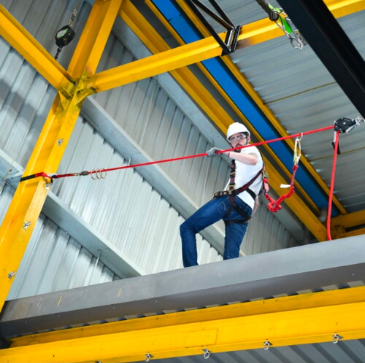
A safety line is a component of a fall protection system that provides workers with a secure connection while performing tasks in areas where a fall could occur. Depending on the design, the system may allow workers to travel horizontally across a rooftop or move vertically along a tower, ladder, or other elevated structure. Safety lines can be used together with full-body harnesses, connectors, lanyards, energy absorbers, and other fall protection components. Some systems are designed to help prevent workers from reaching an exposed edge, while others are intended to arrest a fall after it occurs. The purpose of the system should always be clearly established before installation and use. A Safety Line philippines solution should therefore be selected according to the actual work environment rather than based solely on the appearance or price of the equipment. When properly planned, installed, inspected, and used, a safety line can become an important element of a comprehensive work-at-height safety program.
Why Work-at-Height Safety Requires Careful Planning
Working several meters above the ground introduces hazards that may not be present during ordinary ground-level activities. Workers can encounter slippery surfaces, uneven platforms, unstable materials, exposed edges, weather conditions, and unexpected obstacles. Construction projects can create additional risks because work areas may change as structures develop. Rooftop maintenance can also expose workers to fragile surfaces, openings, roof edges, and equipment that restricts movement. Simply providing a harness may not address all of these hazards because the harness needs to be connected to an appropriate and properly designed system. Employers should identify fall hazards before assigning workers to elevated tasks and determine how those hazards can be controlled. A Safety Line philippines system can be part of that control strategy when it is properly matched to the task and supporting structure. Careful planning also helps organizations determine access requirements, anchor locations, clearance needs, rescue procedures, and worker training requirements.
Types of Safety Line Systems for Different Applications
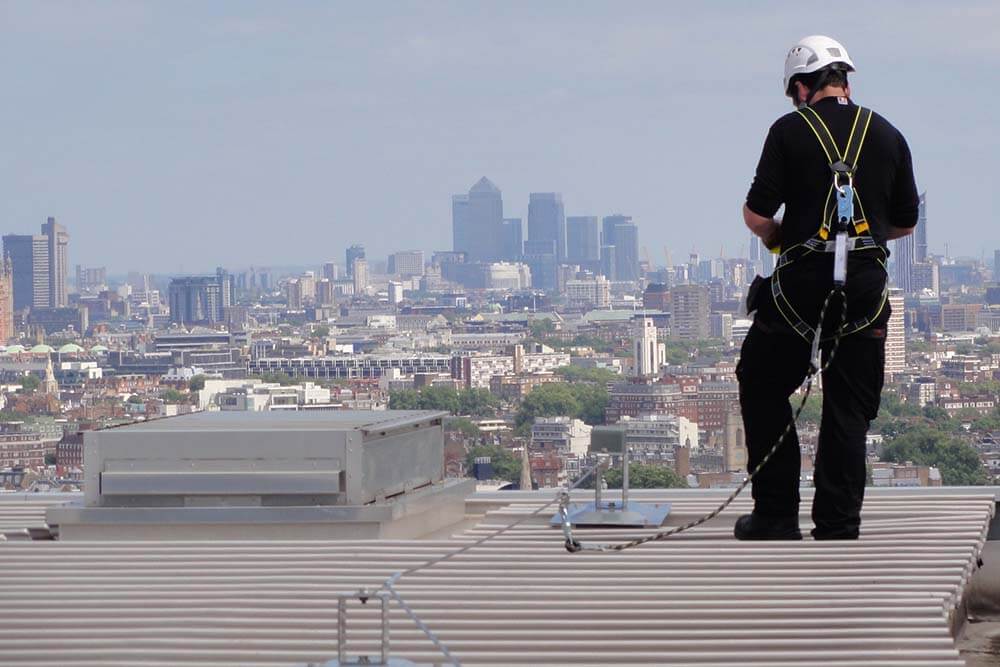
Safety line systems are available in different configurations because elevated work environments are not all the same. Horizontal lifeline systems are commonly considered when workers need to move across rooftops, platforms, walkways, or other extended surfaces. These systems can provide a continuous connection while allowing workers to travel along a designated route. Vertical systems are more appropriate for applications involving towers, fixed ladders, poles, shafts, and other structures where workers move upward or downward. Temporary systems may be useful on construction or maintenance projects where fall protection is required for a limited period. Permanent systems can be installed in buildings or facilities where elevated areas need to be accessed regularly for inspection and maintenance. The appropriate Safety Line philippines configuration depends on the work activity, structure, worker movement, system design, and other site-specific conditions. Businesses should avoid assuming that one type of safety line can provide the appropriate protection for every elevated work situation.
Essential Components of a Fall Protection Setup
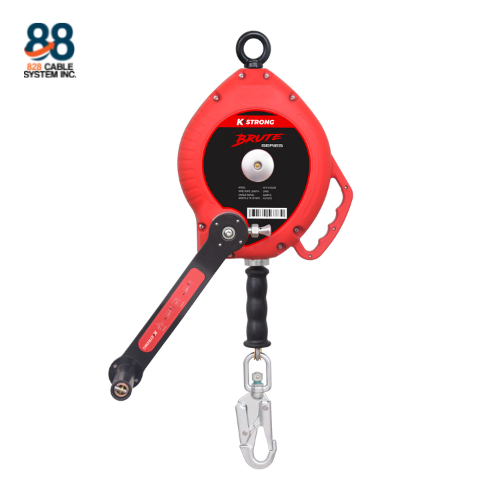
A safety line does not normally function by itself because effective fall protection depends on multiple components working together. Anchor points provide the connection to a suitable supporting structure. The lifeline provides the travel route or connection used by the worker. A full-body harness allows the worker to connect to the system through an appropriate connecting device. Depending on the application, the system may also include shock-absorbing lanyards, guided fall arresters, connectors, hooks, energy absorbers, and other components. Every component should be compatible with the complete system and appropriate for the intended application. Using components from different systems without verifying compatibility can create unexpected hazards. When evaluating a Safety Line philippines solution, companies should therefore consider the entire fall protection arrangement instead of focusing on a single product. Proper system integration helps ensure that the equipment performs as intended when workers rely on it.
Selecting a Safety Line for Philippine Work Environments
The Philippine climate can create unique considerations for equipment used outdoors or in exposed industrial environments. High temperatures, humidity, heavy rain, salt air, dust, and other environmental factors can affect materials and structural components over time. Businesses should consider where the safety line will be installed and how frequently workers will use it. A system installed on a coastal property may have different environmental considerations from one installed inside an enclosed warehouse. Roof construction, structural materials, available clearance, and access routes should also be evaluated before selecting a system. The number of workers who will use the system at the same time can also affect planning and system selection. Companies looking for a Safety Line philippines solution should evaluate the provider’s ability to address these conditions rather than selecting equipment based solely on general specifications. A site-specific approach can help organizations choose a system that fits their actual operational needs.
The Importance of Proper Anchorage
Anchorage is one of the most critical aspects of a fall protection system because the system depends on a suitable connection to the supporting structure. An anchor should never be selected simply because it is nearby or convenient to reach. The structural component supporting the anchor needs to be appropriate for the intended fall protection application. The system layout should also consider where workers will travel and what hazards they may encounter if they fall. Incorrect anchor placement can increase the risk of swing falls or expose workers to obstacles below. Installation should follow the manufacturer’s instructions and applicable engineering or workplace safety requirements. Complex installations may require assessment and installation by qualified professionals who understand structural and fall protection considerations. A Safety Line philippines system is only as reliable as its weakest component, making proper anchorage a fundamental part of the overall design.
Safety Line Installation: What Businesses Should Consider
Installation requires careful attention because even high-quality equipment can perform poorly when installed incorrectly. Before installation begins, the work area should be assessed to identify suitable anchor locations and potential fall paths. The supporting structure should be evaluated to determine whether it is appropriate for the intended system. The layout should allow workers to perform their tasks without creating unnecessary hazards or excessive restrictions on movement. Manufacturer instructions should be followed for spacing, connections, components, and installation procedures. Any modifications to the system should be properly assessed rather than performed casually in the field. After installation, the system should be inspected before being placed into service. Professional installation can be especially valuable for a Safety Line philippines project involving large rooftops, industrial structures, towers, or complex architectural features.
Inspection and Maintenance Keep Systems Ready for Use
Safety equipment should never be considered permanently reliable simply because it worked correctly when first installed. Regular inspections can identify visible damage, corrosion, excessive wear, fraying, cuts, deformation, damaged stitching, or other conditions that could affect performance. Workers should perform appropriate checks before using their personal fall protection equipment. More detailed inspections should also be conducted according to manufacturer recommendations and applicable workplace safety procedures. Equipment exposed to a fall or significant incident should be removed from service and evaluated before being used again. Proper cleaning and storage can also help protect equipment from environmental damage. Inspection records can provide organizations with useful documentation showing that equipment has been checked and maintained. Regular inspection and maintenance are essential for keeping a Safety Line philippines system ready for workers who depend on it.
Training Workers to Use Safety Lines Correctly
Equipment alone cannot create a safe work environment because workers need to understand how to use the system correctly. Training should cover how to inspect equipment before use and how to properly wear and adjust a full-body harness. Workers should know where they are allowed to connect and which components are compatible with the system. They should also understand the difference between restraint, positioning, and fall arrest applications where these distinctions apply. Training should address potential hazards such as swing falls, insufficient clearance, sharp edges, and inappropriate anchor locations. Workers should also understand the emergency procedures that apply if someone falls while connected to the system. Practical instruction can help employees become more confident and consistent when performing elevated work. Proper training makes a Safety Line philippines system more effective by ensuring that workers understand both the equipment and the hazards surrounding their tasks.
Common Safety Line Mistakes That Can Increase Risk
One of the most common mistakes is using an anchor point that has not been verified as suitable for the application. Another problem occurs when workers use connectors or other equipment that are not compatible with the system. Failing to inspect equipment before use can allow damaged components to remain in service. Workers may also incorrectly adjust their harnesses or connect equipment in ways that are not approved for the system. Another concern is failing to calculate or consider adequate fall clearance beneath the worker. Poor system placement can also create swing-fall exposure, particularly when workers operate near corners or edges. Businesses should avoid assuming that the presence of a safety line automatically makes an elevated work area safe. Proper procedures, training, inspection, supervision, and planning are necessary to ensure that a Safety Line philippines system is used appropriately.
Applications of Safety Lines Across Different Industries
Construction companies can use fall protection systems for tasks involving rooftops, structural steel, elevated floors, and building maintenance. Commercial property operators may require permanent systems for regular rooftop inspections, equipment servicing, cleaning, and repair activities. Industrial facilities may use safety lines around elevated platforms, machinery, maintenance areas, and access routes. Warehouses can have elevated work areas where workers need additional protection during maintenance and inspection tasks. Telecommunications operations may involve workers accessing towers and other elevated structures where vertical fall protection is particularly important. Utility and infrastructure projects can also involve elevated work requiring carefully planned fall protection. Each industry has different work conditions, which means system selection should be based on the actual hazards rather than simply the industry name. A properly selected Safety Line philippines system can support safer work practices when it is designed around the specific needs of the workplace.
Building a Stronger Work-at-Height Safety Program
A reliable fall protection program should begin before workers arrive at an elevated work area. Employers should identify tasks that expose employees to fall hazards and evaluate whether those hazards can be eliminated or reduced. Where fall protection remains necessary, the organization should select appropriate equipment and establish clear procedures for its use. Workers should receive training before being expected to operate within the system. Supervisors should monitor compliance and address unsafe practices promptly. Inspection and maintenance procedures should be documented so equipment remains in suitable condition. Emergency planning should also be included because workers may require assistance after a fall or other incident. Integrating a Safety Line philippines system into a complete safety program provides a more organized approach than relying on equipment alone.
How to Evaluate a Safety Line Provider
The provider you choose can have a significant influence on the quality and suitability of your fall protection system. Companies should look for providers that understand work-at-height applications and can discuss site-specific requirements. It is useful to ask whether the provider offers system design, installation, inspection, maintenance, and training support. Businesses should also request appropriate product information and documentation before purchasing equipment. A reputable provider should be willing to discuss structural considerations and system compatibility rather than simply recommending the most expensive product. Installation experience is particularly important for permanent systems that will be attached to buildings or industrial structures. Organizations should also consider after-sales support because fall protection systems require ongoing inspection and maintenance. When selecting a Safety Line philippines provider, businesses should prioritize technical knowledge, proper system planning, equipment suitability, and long-term safety support.
FAQ About Safety Line Philippines
What is a Safety Line Philippines system used for?
A safety line system is used to provide workers with an appropriate connection while performing tasks where a fall hazard exists. It may be designed for horizontal travel, vertical movement, restraint, positioning, or fall arrest depending on the specific configuration. The system normally works together with other components such as a full-body harness and connecting device. Its intended function should be clearly established before use. Employers should select equipment based on the hazards and work activities present at the site. Workers should also receive proper training before using the system. A Safety Line philippines system should always be considered part of a broader fall protection arrangement.
Is a safety line the same as a lifeline?
The terms can sometimes be used interchangeably in general discussions, but the exact terminology depends on the equipment and application. A lifeline typically refers to a line used as part of a fall protection system to which a worker can connect. A safety line may refer more broadly to a designated line or system that provides worker protection. The actual function depends on the system’s design and intended use. Businesses should review manufacturer documentation when determining how specific equipment should be used. Workers should not assume that every rope or cable can serve as a fall protection lifeline. Proper identification of the equipment is an important part of selecting a Safety Line philippines solution.
Where can safety lines be installed?
Safety lines may be installed on suitable rooftops, industrial structures, towers, platforms, ladders, and other elevated work areas. The installation location depends on the system’s intended application and the suitability of the supporting structure. Anchor points need to be appropriately designed and positioned for the system. The surrounding area should also be evaluated for fall clearance and potential obstacles. A professional assessment may be necessary for complicated installations. Businesses should follow manufacturer instructions and applicable workplace safety requirements. A Safety Line philippines system should never be installed simply because a particular location appears convenient.
How often should safety lines be inspected?
The inspection schedule depends on the equipment, application, environmental conditions, manufacturer’s recommendations, and applicable safety procedures. Workers should perform appropriate checks before using personal fall protection equipment. Periodic inspections should also be conducted as part of the organization’s safety program. Equipment showing damage, excessive wear, corrosion, or other concerns should be removed from service for evaluation. Equipment involved in a fall should also be treated according to appropriate procedures before reuse. Keeping inspection records can help organizations maintain better equipment control. Regular inspections are an important part of maintaining a reliable Safety Line philippines system.
Do safety line users need training?
Yes, workers should receive appropriate training before using fall protection systems. Training should cover equipment inspection, harness fitting, proper connections, movement, system limitations, and hazard recognition. Workers should understand where and how they are permitted to connect. They should also know the emergency and rescue procedures applicable to their worksite. Refresher training may be appropriate when procedures, equipment, or working conditions change. Supervisors should reinforce correct practices during daily operations. Training helps workers use a Safety Line philippines system correctly instead of relying on assumptions or trial and error.
Can safety lines prevent every type of fall?
No fall protection system should be treated as a guarantee against every possible incident. The effectiveness of a safety line depends on correct system design, installation, anchorage, equipment compatibility, worker use, and maintenance. Certain hazards may remain even when workers are connected to a system. These can include swing falls, inadequate clearance, contact with structures, or incorrect equipment use. Employers should therefore identify and control other hazards around the work area. Workers should follow established procedures and remain aware of their surroundings. A Safety Line philippines system works best when integrated into a comprehensive approach to work-at-height safety.
Takeaway
Work-at-height operations require careful planning because falls can happen quickly and can have serious consequences. A properly designed safety line can provide an important layer of protection for workers operating on rooftops, towers, platforms, construction structures, and other elevated areas. However, selecting the right equipment is only one part of effective fall protection. Anchorage, installation, compatibility, inspection, maintenance, training, supervision, and emergency planning all influence how well a system performs. Businesses should assess their actual workplace conditions before selecting a Safety Line philippines solution. Working with qualified professionals can be particularly valuable when the installation involves complex structures or permanent fall protection requirements. By treating fall protection as an ongoing workplace responsibility, organizations can create safer and more controlled conditions for employees performing elevated work.