Working at height presents serious risks when workers need to move across large roofs, elevated platforms, industrial structures or other horizontal surfaces. A properly designed Horizontal Lifeline Thailand system provides a practical way for workers to remain connected to fall protection while moving across an elevated work area. Unlike a single fixed anchor point, a horizontal lifeline can allow controlled movement along a designated route. This makes it particularly useful for maintenance teams, construction workers, facility personnel and contractors who regularly work at height. A suitable horizontal fall protection system can also be integrated with compatible harnesses, connectors and other personal fall protection equipment. However, selecting a system involves more than simply choosing a cable and attaching it to a structure. Structural capacity, system configuration, fall clearance, worker movement, environmental conditions and inspection requirements all need careful consideration.
Understanding Horizontal Lifeline Systems
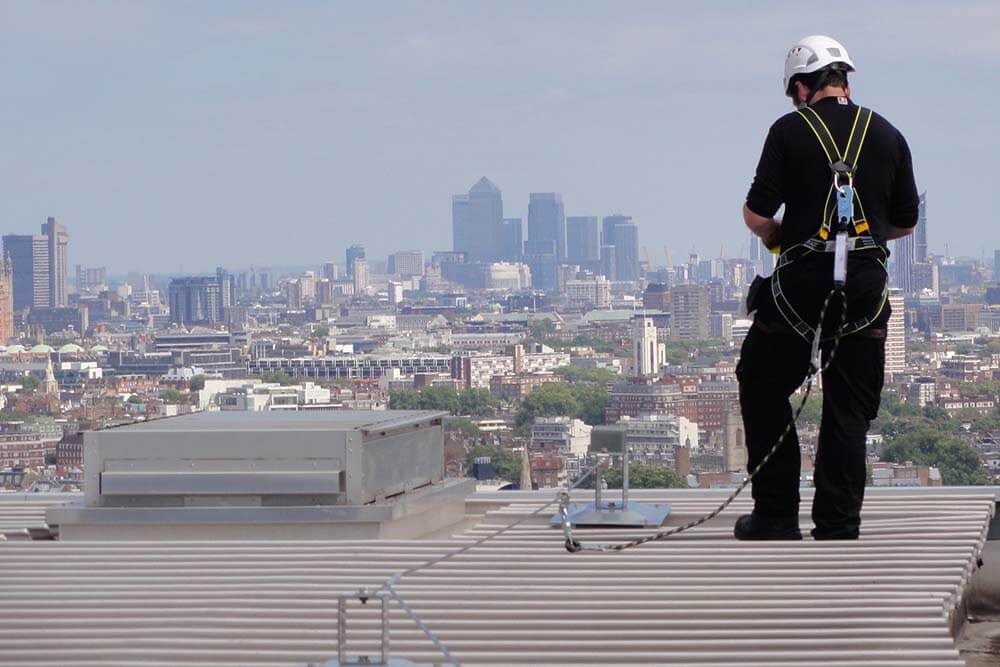
A horizontal lifeline is a fall protection system designed to provide workers with a continuous attachment point while they move horizontally across an elevated working area. The system may use a flexible cable, rope or another approved lifeline configuration depending on its design and intended application. Workers generally connect their full-body harness to the lifeline through a compatible traveller, lanyard or connecting device. As the worker moves, the connection can travel along the lifeline while maintaining attachment to the fall protection system. This arrangement can be useful where workers need to access multiple locations without repeatedly disconnecting and reconnecting to separate anchor points. A horizontal lifeline system can therefore provide greater mobility while supporting a controlled approach to fall prevention and fall arrest. The exact configuration should always be selected according to the manufacturer’s technical requirements and the conditions of the worksite.
Horizontal lifelines may be designed as permanent or temporary systems. Permanent systems can be installed on buildings or structures where regular access is expected, such as industrial roofs or commercial facilities. Temporary systems can be suitable for particular construction or maintenance activities where the equipment needs to be installed and removed as work progresses. Flexible cable systems are commonly selected for applications requiring movement over longer horizontal distances. Some applications may instead require rigid rail-based solutions because of the structural layout or operational requirements. The choice between systems should be based on the working environment, required mobility, number of users and available structural attachment locations. Professional planning helps ensure that the selected system provides appropriate protection without creating additional hazards.
Why Horizontal Lifelines Matter for Work at Height in Thailand
Work-at-height activities can expose workers to significant hazards when elevated surfaces do not have sufficient edge protection or permanent barriers. Industrial buildings, warehouses, factories, commercial properties and construction sites can all contain areas where workers must access elevated surfaces. Roof inspections, equipment maintenance, ventilation servicing and building repairs may require personnel to move across areas where a fall could occur. A Horizontal Lifeline Thailand solution can provide a designated connection route for workers carrying out these tasks. The system can support safer movement when designed around the actual work area and expected worker activities. It can also form part of a broader fall protection Thailand strategy that includes guardrails, personal protective equipment, anchor points and safe access procedures. The purpose is not simply to provide equipment, but to create a controlled system for managing fall hazards.
Thailand’s climate also makes environmental considerations important when selecting fall protection equipment. High temperatures, humidity, rainfall and exposure to outdoor conditions can affect certain materials and components over time. Metal components may require suitable corrosion resistance when installed in exposed locations. Cable, anchors, connectors and other equipment should therefore be selected according to the conditions expected at the installation site. Regular inspection is also important because environmental exposure can gradually affect equipment condition. Businesses should consider the frequency of roof access and the expected service environment when planning a system. A properly managed work at height safety Thailand programme should account for both equipment performance and worker behaviour.
Where Horizontal Lifeline Thailand Systems Are Commonly Used
Industrial factories are one of the common environments where horizontal lifelines can support maintenance and inspection work. Workers may need to access rooftops, elevated machinery areas, service platforms or equipment positioned above ground level. A lifeline can provide a defined route for movement while workers remain connected to suitable personal fall protection equipment. Warehouses can also benefit from horizontal systems where roof access is required for inspection, repair or servicing. Large warehouse roofs may cover substantial areas, making a single fixed anchor point impractical for certain tasks. A horizontal cable lifeline system can provide a longer working route when appropriately designed and installed.
Construction projects represent another important application. During roof installation, structural work and building maintenance, workers may operate around open edges or elevated surfaces before permanent protection measures are completed. A temporary horizontal lifeline may provide an appropriate fall protection arrangement when designed for the specific project. Commercial and high-rise buildings can also require permanent systems for rooftop maintenance, mechanical equipment servicing and other building management activities. Property management companies may use these systems to provide controlled access for maintenance contractors. Industrial plants and infrastructure facilities may similarly require permanent fall protection equipment for areas that need routine inspection.
Key Components of a Horizontal Lifeline System
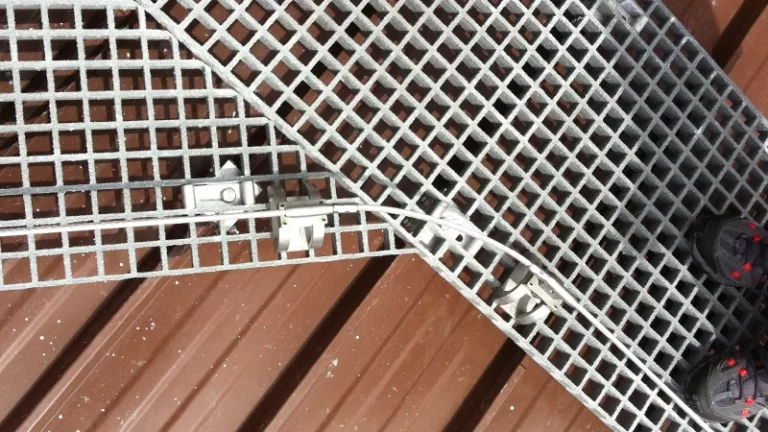
A horizontal lifeline consists of multiple components that need to work together as a complete system. The lifeline itself may be a steel cable or another approved line designed for the intended application. End anchor points secure the system to suitable structural locations and transfer forces into the supporting structure. Intermediate anchors may be used to support longer systems and maintain the intended configuration. An energy absorber may also form part of the system where required by the design. This component is intended to manage forces generated during a fall according to the manufacturer’s specifications. The traveller or cable runner allows the worker’s connection to move along the lifeline while remaining attached.
Connectors are another important part of the overall arrangement. Carabiners, hooks and other connectors must be compatible with the harness and lifeline components. A full-body harness is normally required as part of a personal fall arrest arrangement because it distributes arrest forces across appropriate areas of the body. Energy-absorbing lanyards or self-retracting lifelines may also be used depending on the system design. Every component should be compatible with the manufacturer’s instructions and the intended configuration. Mixing equipment from different systems without verifying compatibility can create serious safety problems. For this reason, businesses should treat the horizontal lifeline as a complete engineered solution rather than a collection of unrelated products.
How a Horizontal Lifeline System Works
A worker using a horizontal lifeline normally wears a compatible full-body harness and connects to the lifeline through an approved connecting device. The connecting device allows the worker to move along the designated horizontal route. When the worker changes position, the traveller can move along the cable or rail according to the system design. This provides mobility while maintaining a connection to the fall protection arrangement. If a fall occurs, the system is designed to manage the resulting forces through its approved components. The amount of movement and system deflection during a fall depends on the design, span, components and other factors. This is why fall clearance needs to be assessed before the system is used.
Swing-fall hazards also need to be considered. If a worker moves too far away from the intended path or the lifeline is positioned incorrectly, a fall may create dangerous sideways movement. Nearby structures, equipment, walls and other obstacles can increase the consequences of such movement. System positioning should therefore be based on the actual work area rather than simply choosing the most convenient installation location. Workers should understand the intended travel area and connection method before starting work. Training should also cover how to identify unsafe conditions and when equipment should be removed from service.
Horizontal Lifeline Design Considerations in Thailand
Designing a horizontal lifeline requires careful assessment of the supporting structure. The roof, platform or structural member must have sufficient capacity to support the forces associated with the system. Engineers or competent professionals may need to assess the structural materials, connection points and expected loads before installation. The system length is also important because longer spans can affect deflection and overall system performance. The number of workers who will use the system at the same time must be established before selecting the configuration. Manufacturer requirements should specify the permitted number of users and other operating limitations.
Fall clearance is another critical consideration. The available distance below the worker must be sufficient to accommodate the expected fall dynamics of the system. Lifeline deflection, worker height, connecting equipment length and other factors can influence the required clearance. Nearby roofs, machinery, platforms and other obstacles must be considered during planning. The system should also account for environmental conditions such as rain, humidity and corrosion exposure. A professional assessment can help identify potential hazards before installation begins. These considerations are essential when developing a reliable Horizontal Lifeline Thailand solution for a specific facility.
Horizontal Lifeline Installation Requirements
Installation quality can have a direct effect on the performance of a fall protection system. Before installation, the supporting structure should be assessed to identify suitable attachment locations. End anchors and intermediate anchors need to be positioned according to the approved system design. Cable installation must follow the manufacturer’s specified procedures, including any requirements relating to tension, fittings and terminations. Energy absorbers and other components should be installed in the correct orientation and configuration. Improvised modifications should never be made simply to overcome installation difficulties.
Installation should be carried out by competent personnel who understand the requirements of the selected system. The completed installation should be inspected before being placed into service. Documentation should identify the system, installation details and relevant technical information. Site operators should also receive instructions regarding proper use and inspection. If the structure or system is modified later, the arrangement should be reassessed rather than assuming the original design remains suitable. Proper installation creates the foundation for a reliable horizontal lifeline installation.
Choosing the Right Horizontal Lifeline Thailand Solution
Selecting a lifeline system should begin with a clear understanding of the work that employees or contractors need to perform. A permanent system may be appropriate where rooftop access occurs regularly throughout the year. A temporary system may be more practical for short-term construction or maintenance projects. The required travel distance should also be measured accurately. Businesses should identify how many workers may use the system and whether simultaneous use is permitted by the system design. Environmental exposure should also influence the selection of materials and components.
The supporting structure is equally important. A high-quality lifeline cannot provide the intended protection if it is attached to an unsuitable structural member. Businesses should review the manufacturer’s technical specifications and ensure that the selected system matches the application. Compatibility with existing full-body harnesses and connecting equipment should also be verified. Inspection, maintenance and replacement requirements should form part of the purchasing decision. Choosing equipment solely because it has a lower initial cost can create additional risks and expenses later. A properly selected fall arrest system Thailand solution should provide a balance between safety, functionality, durability and long-term maintenance requirements.
Safety Standards and Compliance Considerations
Fall protection systems should be selected with applicable safety requirements and recognised technical standards in mind. Different components may be covered by different standards depending on their function and design. Businesses should check the technical documentation supplied with each product and verify the standards claimed by the manufacturer. Horizontal lifeline systems, anchor devices, harnesses, connectors and energy absorbers may have different testing and certification requirements. Certification should be relevant to the actual product and configuration rather than assumed based on a similar item. Technical documentation can also help safety teams establish inspection and maintenance procedures.
Compliance should be treated as part of a broader workplace safety programme. A certified product does not automatically make an unsafe installation acceptable. The supporting structure, installation method, worker training and operating procedures also influence the effectiveness of the system. Employers should assess applicable Thai workplace safety requirements alongside relevant international standards where appropriate. Competent professionals can help determine which requirements apply to a particular project. Documentation should be maintained so that inspections, maintenance and system changes can be tracked over time.
Inspection and Maintenance of Horizontal Lifelines
Regular inspection helps identify damage before equipment is required to perform during a fall. Workers should carry out appropriate pre-use checks before connecting to a lifeline. They should look for visible corrosion, deformation, damaged cables, loose components or other unusual conditions. Connectors and attachment points should also be checked for signs of wear or damage. Any equipment showing significant damage should be removed from service until it has been assessed by a competent person. Pre-use checks should never replace scheduled professional inspections.
Periodic inspections should cover the complete system rather than only the cable. Anchor points, structural connections, intermediate supports, energy absorbers and traveller components should all be examined. Inspection frequency should follow manufacturer instructions, applicable requirements and the conditions of use. Outdoor systems exposed to harsh weather may require closer monitoring than systems installed in protected environments. Records should document inspection dates, findings, repairs and component replacements. If a worker falls while connected to the system, the equipment should be assessed before it is returned to service. Proper maintenance supports the long-term reliability of a fall protection equipment Thailand programme.
Common Hazards When Using Horizontal Lifelines
Incorrect anchor installation is one of the hazards that can compromise a horizontal lifeline. Even a high-quality system may not provide the intended protection if its supporting structure is inadequate. Insufficient fall clearance can also create a serious hazard because a worker may contact a lower surface before the fall arrest system has fully performed. Swing falls can occur when a worker travels too far from the intended line of connection. Incorrectly connected equipment may also prevent the system from functioning as designed. Damaged or corroded components can reduce the reliability of the system.
Overloading is another concern, particularly where several workers may use the same lifeline. The permitted number of users should always be established from the manufacturer’s specifications and system design. Unauthorised modifications can also change system behaviour and invalidate the original design assumptions. Poor training may cause workers to connect incorrectly or move beyond the intended work area. Regular inspections and practical training can help reduce these risks. Every worker should understand that the lifeline is part of a complete fall protection arrangement rather than a substitute for safe working procedures.
Worker Training for Horizontal Lifeline Systems
Workers should receive suitable training before using a horizontal lifeline. Training should explain how to inspect the equipment before use and identify common signs of damage. Workers should learn how to correctly wear and adjust a full-body harness. They should also understand how to connect their equipment to the lifeline and move along the system safely. Practical training can help workers understand clearance requirements and recognise swing-fall hazards. Workers should be taught not to modify equipment or use components outside their approved purpose.
Training should also cover emergency procedures. Employees need to understand what to do if a fall occurs and how to communicate an emergency to the responsible site team. Refresher training can be useful when equipment, work procedures or site conditions change. Contractors should also receive site-specific information before beginning work. Supervisors should monitor compliance with established procedures. Effective training helps turn fall protection equipment into a practical safety system rather than equipment that workers simply wear without understanding.
Emergency and Rescue Planning
A fall protection system should be supported by a suitable rescue plan. A worker who falls and remains suspended may require prompt assistance from trained personnel. Rescue procedures should identify who is responsible for raising the alarm, accessing the affected worker and carrying out the rescue. Suitable rescue equipment should be available where required by the work environment and risk assessment. Workers should not improvise a rescue using unsuitable equipment. The location of the horizontal lifeline can also affect how rescuers reach a suspended worker.
Rescue planning should consider roof access, building layout, obstacles and emergency communication arrangements. Teams should understand the procedures before work begins rather than attempting to develop a response after an incident occurs. Where appropriate, rescue exercises can help identify practical difficulties with access or equipment. Contractors should understand the site’s emergency procedures before starting work. Rescue arrangements should be reviewed whenever the work environment or fall protection system changes. A complete work at height protection strategy therefore includes prevention, fall arrest and emergency response planning.
Benefits of a Properly Designed Horizontal Lifeline System
A properly designed horizontal lifeline can give workers greater freedom to move across designated elevated work areas while remaining connected. This can be particularly useful for long rooftops where workers need to inspect multiple locations. The system can reduce the need for workers to repeatedly disconnect and reconnect to separate anchor points when the design allows continuous travel. Permanent systems can provide a long-term fall protection arrangement for facilities requiring regular roof access. Temporary systems can provide flexibility for certain construction and maintenance activities. Lifelines can also work alongside other controls such as guardrails and designated access routes.
Another benefit is improved organisation of work-at-height activities. A clearly defined lifeline route can help workers understand where they are permitted to travel while connected. Facility managers can establish inspection schedules around fixed systems and maintain documentation for future maintenance. Proper system planning can also help identify structural and clearance issues before workers access the area. However, the benefits depend on correct design, installation, use and maintenance. A lifeline should never be treated as a universal solution for every fall hazard. Its effectiveness depends on how well the complete system matches the actual working environment.
Planning a Horizontal Lifeline Installation in Thailand
Planning should begin with a site-specific assessment of the areas where workers may be exposed to falls. The assessment should identify roof edges, openings, access routes, equipment areas and other potential hazards. The required working route should then be mapped so that the lifeline can provide appropriate coverage. The supporting structure should be assessed before fixing points are selected. The number of users and expected work activities should also be identified. Designers should then determine the appropriate system type, components and installation arrangement.
Fall clearance should be evaluated before finalising the design. Potential obstacles below and around the work area should be identified. Installation should follow the manufacturer’s technical instructions and be completed by competent personnel. Workers should receive suitable training before the system enters normal operation. Inspection and maintenance procedures should then be established and documented. This structured approach helps businesses create a reliable Horizontal Lifeline Thailand system that is suited to the facility rather than relying on a generic arrangement.
Practical Case Study: Horizontal Lifeline for an Industrial Facility
Consider an industrial facility with a large metal roof containing ventilation equipment and mechanical units that require routine servicing. Maintenance workers need to move across the roof several times each year to inspect equipment and perform repairs. Walking routes alone do not provide sufficient protection because several working areas are positioned close to roof edges. The facility management team assesses the roof structure, access points, work routes and potential fall clearance before selecting a horizontal lifeline arrangement. A permanent cable-based system is selected to provide controlled movement across the frequently accessed sections of the roof. The system is installed at suitable structural locations and connected to compatible personal fall protection equipment.
After installation, the maintenance team receives training on harness fitting, traveller connection, pre-use inspection and emergency procedures. Inspection records are established so the facility can track the condition of the lifeline and associated components. Workers are instructed to remain within the designated travel area and follow the site’s work-at-height procedures. The system is also reviewed when maintenance activities change or new equipment is added to the roof. This example demonstrates why a horizontal lifeline should be planned around actual worker movement rather than simply installed because a roof contains fall hazards. The same principles can be adapted to factories, warehouses, commercial buildings and other elevated work environments across Thailand.
What Businesses Should Look for Before Purchasing
Businesses should first identify the exact work environment where the system will be used. They should determine whether the system is intended for a permanent installation or temporary work. The required lifeline length and travel route should be measured accurately. The supporting structure should be assessed before the final product is selected. Businesses should also confirm the number of permitted users and review the manufacturer’s technical documentation. Compatibility with existing harnesses, connectors and other fall protection equipment should be checked before purchase.
The environmental conditions at the site should also be considered. Outdoor installations may require materials and finishes appropriate for humidity, rainfall and corrosion exposure. Businesses should ask about inspection, maintenance and replacement requirements before committing to a system. Installation support and technical guidance can also be important, especially for complex structures. Documentation should be retained for future inspections and maintenance. A reliable supplier should be able to provide clear product information rather than making unsupported claims about performance. Careful purchasing decisions can help businesses establish a practical and sustainable fall protection arrangement.
Testimonial Perspective: Maintenance Team Experience
A maintenance team using a properly planned horizontal lifeline can experience significant improvements in how elevated work is organised. Workers can follow a defined route instead of relying on improvised attachment methods. Having a clearly identified connection point can also make pre-work checks easier for supervisors. Training gives workers greater awareness of clearance, connection procedures and equipment inspection. Facility managers benefit from having a documented system that can be inspected and maintained on a scheduled basis. Contractors can also receive clear instructions about where and how they are permitted to work.
The most important benefit is the creation of a more structured approach to elevated work. Workers understand that the lifeline is only one part of the safety process and must be used alongside appropriate personal protective equipment and safe working procedures. Supervisors can reinforce correct practices through regular inspections and training. Maintenance personnel can report damaged components before they become a larger concern. Facility managers can review the system whenever roof access requirements change. This practical experience highlights the value of combining suitable equipment with proper planning, installation and worker education.
FAQs About Horizontal Lifeline Thailand
What is a horizontal lifeline?
A horizontal lifeline is a fall protection system that allows a worker to remain connected while moving along a horizontal route at height. It may use a cable, rope or rigid rail depending on the system design. The worker normally connects through a full-body harness and an approved connecting device. The system is designed according to specific structural and operational requirements. It should not be installed without assessing the supporting structure. Proper use also requires worker training and regular inspection.
Where can a horizontal lifeline be installed?
Horizontal lifelines can be used on suitable roofs, industrial structures, platforms and other elevated work areas where horizontal movement is required. The installation location must have adequate structural capacity for the intended system. Suitable fixing points must be identified as part of the design process. The system should also provide appropriate clearance below the work area. Installation should follow the manufacturer’s requirements. A competent professional should assess complex installations before the system is placed into service.
Is a horizontal lifeline suitable for multiple workers?
Some systems are designed for multiple users, but the permitted number depends on the specific system and manufacturer requirements. Businesses should never assume that a cable can support unlimited workers. The number of users should be established during system design. Fall forces and system configuration can change when more than one person is connected. Workers should follow the stated user capacity at all times. Technical documentation should be checked before permitting simultaneous use.
How often should a horizontal lifeline be inspected?
Pre-use checks should be carried out before workers connect to the system. Periodic inspections should also be performed according to manufacturer instructions, applicable requirements and site conditions. Outdoor systems may require closer monitoring because of environmental exposure. Inspections should cover the complete system, including anchors, cables, connectors and other components. Detailed records should be retained after inspections. Equipment involved in a fall should be assessed before being returned to service.
Can a horizontal lifeline prevent every type of fall?
No fall protection system can eliminate every possible hazard by itself. A horizontal lifeline is designed for specific applications and operating conditions. It should be combined with suitable work procedures, personal protective equipment and other controls where necessary. Swing falls, insufficient clearance and unsuitable structures can still create hazards. Workers need training to understand the limitations of the system. A site-specific risk assessment should determine whether the chosen arrangement is suitable.
What equipment is normally used with a horizontal lifeline?
A full-body harness is commonly used with a personal fall protection arrangement. Depending on the system, a traveller, connector, energy-absorbing lanyard or self-retracting lifeline may also be required. Components must be compatible with one another and approved for the intended application. The manufacturer should specify acceptable combinations of equipment. Workers should not substitute components without verifying compatibility. Proper equipment selection is essential for the system to perform as intended.
Why is fall clearance important?
Fall clearance refers to the distance needed below a worker to allow the fall protection system to arrest a fall without the worker striking a lower surface. Horizontal lifeline systems can experience movement and deflection during a fall. The required clearance depends on the system design, connecting equipment, worker position and other factors. Nearby machinery, platforms and structural surfaces must therefore be considered. Clearance should be assessed before installation and use. Workers should understand the clearance requirements for their specific system.
Building Safer Elevated Work Areas with Horizontal Lifelines
A properly designed Horizontal Lifeline Thailand system can provide an effective method for controlled movement across elevated work areas. Its value depends on much more than the lifeline itself because anchors, structural capacity, connecting equipment, worker training and inspection all contribute to overall performance. Businesses should begin with a site-specific assessment rather than selecting equipment based solely on cable length or price. The chosen system should match the structure, number of users, working route and environmental conditions. Professional installation and appropriate documentation can help maintain system reliability throughout its service life. Regular inspection and worker training should remain part of the ongoing safety programme.
For factories, warehouses, construction projects, commercial buildings and industrial facilities, horizontal lifelines can provide a practical addition to a wider fall protection Thailand strategy. When properly planned, they can support maintenance teams that need to move across elevated areas while remaining connected to suitable fall protection equipment. The right system can also make work-at-height procedures more structured and easier to manage. Businesses should review their existing elevated work areas and identify locations where workers require controlled horizontal access. Every installation should be designed around the actual hazards and operating conditions of the site. A well-planned approach can help organisations provide safer and more controlled working conditions for personnel operating at height.