Working at height is one of the most hazardous activities across construction, manufacturing, warehousing, transportation, and industrial maintenance. Every elevated task exposes workers to potential fall hazards, making dependable fall protection systems an essential investment rather than an optional one. Among the most effective solutions available is the Overhead Lifeline, a system specifically designed to provide continuous protection while allowing workers to move efficiently throughout their work area. By positioning the connection point above the worker, an overhead system helps reduce free-fall distance and supports greater freedom of movement compared to many traditional anchorage methods. Businesses that prioritize employee safety often choose overhead systems because they combine durability, flexibility, and long-term reliability. Understanding how an Overhead Lifeline works, where it is used, and how it should be maintained enables organizations to build safer workplaces while improving operational productivity.
What Is an Overhead Lifeline?
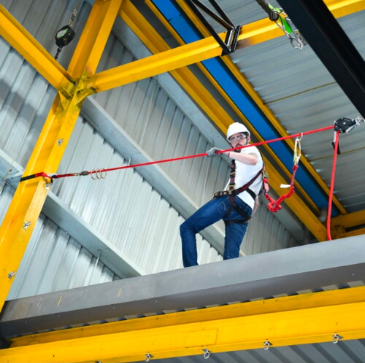
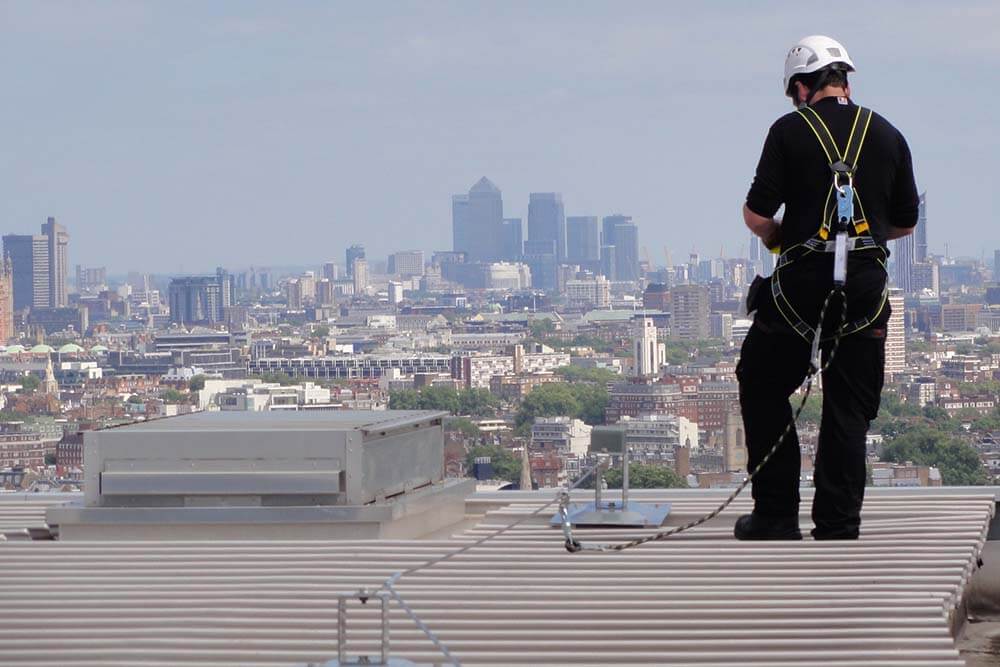
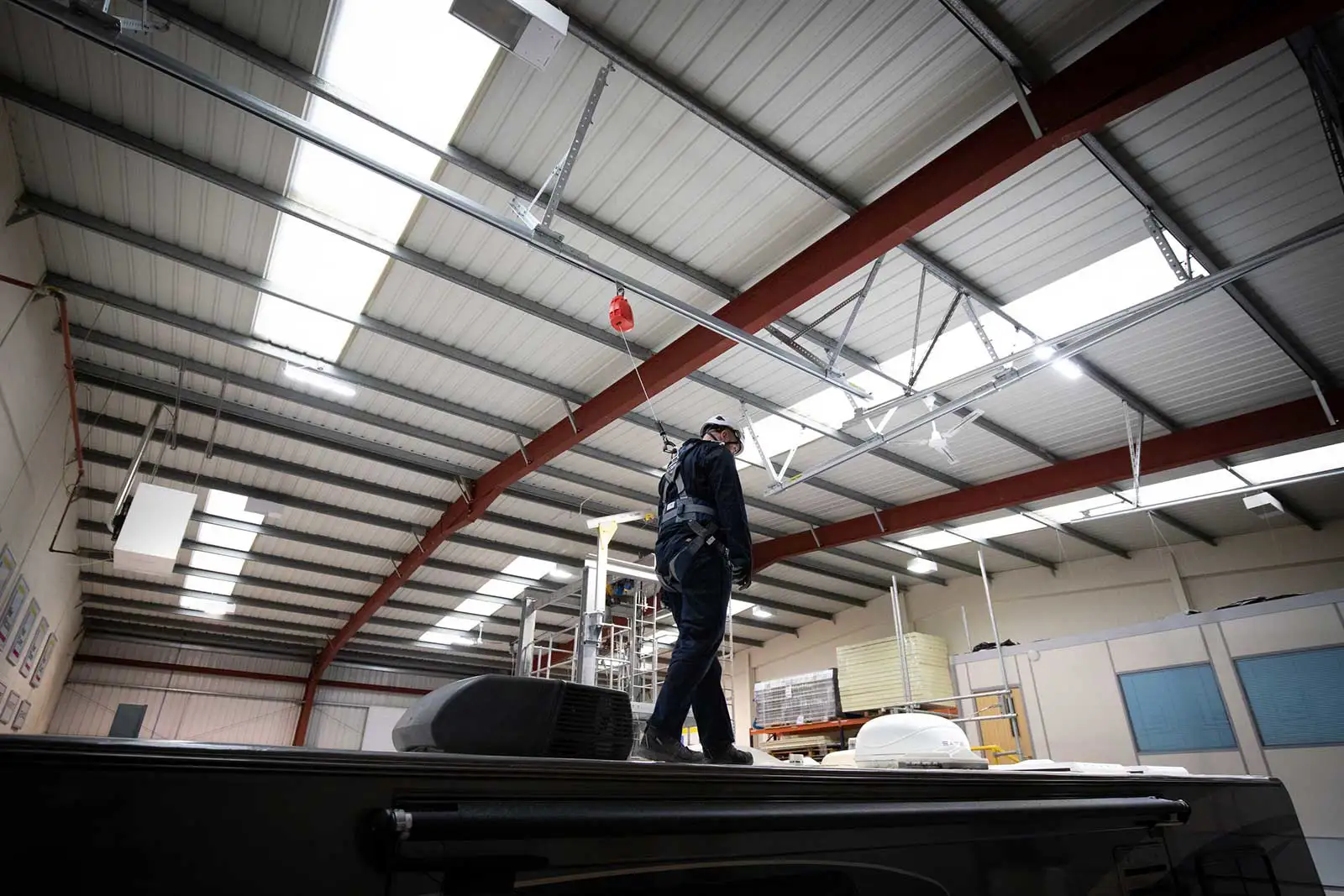
An Overhead Lifeline is a fall protection system installed above a worker’s operating area to provide a secure anchorage point during elevated tasks. It serves as part of a complete fall arrest system that helps protect workers if a fall occurs. Unlike ground-level anchor points, overhead systems position the connection directly above the user, minimizing swing hazards and reducing the distance a worker may fall. These systems may include steel cables, rigid rails, monorails, or engineered tracks depending on the work environment. Workers remain connected through compatible equipment such as a full-body harness, self-retracting lifeline, or approved lanyard. Because the anchorage remains overhead throughout the work process, employees can perform their duties with greater mobility while maintaining continuous protection. This combination of safety and flexibility has made the Overhead Lifeline a trusted solution across numerous industries.
Why Overhead Lifelines Are Essential for Fall Protection
Falls continue to rank among the leading causes of workplace injuries and fatalities, making reliable fall protection an important part of every safety program. An Overhead Lifeline significantly reduces the risk associated with elevated work by providing a dependable overhead anchorage that follows the worker throughout the task. Keeping the connection point above the user minimizes free-fall distance and helps decrease the force generated during a fall. Workers can move naturally without disconnecting and reconnecting repeatedly, improving both efficiency and safety. Employers also benefit from fewer workflow interruptions because employees remain protected while completing routine operations. Beyond reducing injury risks, properly installed systems help organizations comply with workplace safety regulations and internal safety policies. Investing in an overhead solution demonstrates a commitment to employee well-being while protecting business operations from avoidable incidents.
Main Components of an Overhead Lifeline System
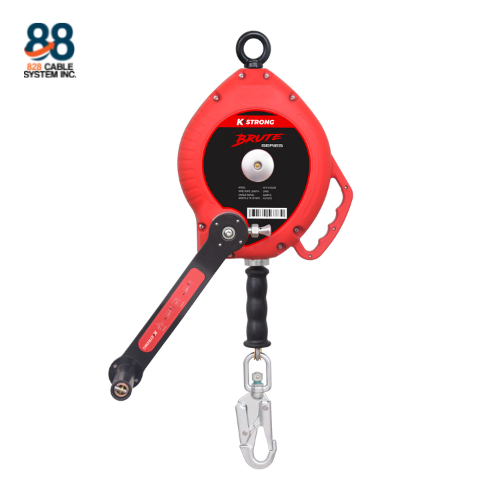
Every Overhead Lifeline consists of several engineered components that work together to provide dependable protection. The foundation begins with strong anchorage points that are attached to structural members capable of supporting fall arrest loads. Connected to these anchors is the lifeline itself, which may consist of high-strength wire rope, rigid rail, or specialized track systems designed for continuous movement. Trolleys or connectors allow workers to travel smoothly along the system without disconnecting from the lifeline. Energy absorbers play a critical role by limiting impact forces if a fall occurs, helping protect both the worker and the structural components. Personal protective equipment such as full-body harnesses and self-retracting lifelines complete the system by creating the secure connection between the worker and the overhead anchorage. Every component must be compatible with the others to ensure the entire system performs as intended under demanding workplace conditions.
Types of Overhead Lifeline Systems
Different work environments require different Overhead Lifeline configurations, making it important to select a system that matches operational needs. Horizontal overhead lifelines are commonly installed across long workspaces, allowing employees to move continuously along a designated path. Rigid rail systems provide smooth trolley movement while minimizing fall clearance requirements, making them ideal for facilities with limited vertical space. Monorail systems are frequently used when workers follow a specific travel route during repetitive production or maintenance activities. Bridge and gantry systems offer exceptional coverage for large manufacturing plants, aircraft maintenance facilities, and heavy industrial operations by allowing movement in multiple directions. Each design offers unique advantages depending on building layout, worker movement, and task complexity. Evaluating these options carefully ensures organizations choose an Overhead Lifeline that delivers maximum protection and long-term operational value.
Industries That Benefit from Overhead Lifeline Systems
An Overhead Lifeline provides valuable protection across numerous industries where elevated work is performed regularly. Construction companies rely on overhead systems to safeguard workers installing steel structures, roofing materials, and mechanical equipment. Manufacturing facilities use them to support maintenance personnel servicing production machinery located above floor level. Warehouses benefit by protecting employees working on elevated storage systems and loading platforms. Aviation maintenance crews depend on overhead lifelines while inspecting and repairing aircraft surfaces. Mining operations, shipbuilding facilities, transportation hubs, and utility providers also incorporate these systems into their safety programs to reduce fall-related risks. Regardless of industry, organizations that perform routine work at height can significantly improve workplace safety through properly engineered overhead fall protection systems.
Key Factors to Consider Before Installing an Overhead Lifeline
Selecting the right Overhead Lifeline requires careful planning and evaluation of the workplace environment. Structural capacity is one of the most important considerations because every anchorage must safely support anticipated fall arrest loads. A professional engineering assessment helps determine whether existing structures can accommodate the system or require reinforcement. The workspace layout should also be reviewed to identify travel paths, obstacles, equipment locations, and potential swing hazards. Employers must determine how many workers will use the system simultaneously so that the design meets both current and future operational requirements. Environmental factors such as humidity, corrosion, temperature fluctuations, and exposure to chemicals should influence material selection. Compliance with applicable safety regulations and manufacturer guidelines ensures the final installation delivers dependable performance throughout its service life.
Advantages of Using an Overhead Lifeline
An Overhead Lifeline offers numerous benefits beyond basic fall protection. One of its greatest advantages is improved worker mobility, allowing employees to move naturally throughout the work area while remaining continuously connected. Increased mobility often leads to greater productivity because workers spend less time repositioning equipment or changing anchor points. Overhead systems also reduce trip hazards by keeping connection devices above the work surface rather than along the ground. Many permanent systems require less ongoing maintenance than temporary fall protection equipment, providing long-term value for organizations with frequent elevated work. Their adaptability allows installation in manufacturing plants, warehouses, maintenance facilities, transportation centers, and industrial complexes. Perhaps most importantly, overhead systems help create a safer work environment where employees can perform their duties with greater confidence and reduced exposure to fall hazards.
Common Mistakes to Avoid
Even the most advanced Overhead Lifeline cannot provide effective protection if it is used improperly. One common mistake is installing anchor points on structures that have not been evaluated for fall arrest loads. Another frequent issue involves using incompatible harnesses, lanyards, or self-retracting lifelines that may not function correctly with the system. Some organizations delay scheduled inspections, allowing worn or damaged components to remain in service longer than recommended. Exceeding the manufacturer’s maximum user capacity can also compromise system performance and increase safety risks. Inadequate worker training often leads to incorrect equipment use or unsafe work practices despite having quality fall protection available. Replacing damaged components promptly and following manufacturer instructions help ensure every Overhead Lifeline continues to perform safely and reliably.
Inspection and Maintenance Best Practices
Routine inspection and maintenance are essential for preserving the reliability of an Overhead Lifeline. Workers should conduct visual inspections before each use to identify signs of wear, corrosion, loose hardware, damaged cables, or other visible defects. Any component showing questionable condition should be removed from service until evaluated by qualified personnel. Scheduled professional inspections should be performed according to manufacturer recommendations and applicable safety regulations. Proper documentation helps organizations track inspection history, maintenance activities, and equipment replacements over time. Cleaning the system regularly reduces contamination that could accelerate corrosion or interfere with moving components. Consistent preventive maintenance extends equipment life while ensuring the overhead lifeline remains ready to provide dependable fall protection whenever it is needed.
Selecting the Right Overhead Lifeline for Your Workplace
Choosing the most suitable Overhead Lifeline begins with a thorough assessment of workplace hazards and operational requirements. Employers should evaluate worker travel patterns, available structural support, environmental conditions, and the frequency of elevated tasks before selecting a system. Future expansion plans should also be considered so the chosen design can accommodate additional users or changing production needs without major modifications. Working with experienced engineers and qualified installers helps ensure every component is properly designed, installed, and tested before being placed into service. Purchasing certified equipment from reputable manufacturers provides greater confidence in long-term reliability and regulatory compliance. While initial costs vary among system types, investing in a well-designed overhead lifeline often delivers significant value through improved safety, reduced downtime, and lower long-term maintenance expenses. Selecting the right solution ultimately supports both employee protection and operational efficiency for years to come.
Frequently Asked Questions (FAQ)
What is an Overhead Lifeline used for?
An Overhead Lifeline is used to protect workers performing tasks at elevated locations by providing a secure overhead anchorage that supports fall arrest or fall restraint. It helps reduce fall distance while allowing continuous movement throughout the work area. The system is commonly installed in industrial, commercial, and construction environments where employees regularly work above ground level. Its purpose is to improve worker safety while supporting efficient job performance. Proper installation and compatible equipment are essential for effective protection. Regular inspections also ensure the system remains reliable throughout its service life. Using the system correctly significantly reduces workplace fall hazards.
How does an Overhead Lifeline improve worker safety?
Because the anchorage remains above the worker, an Overhead Lifeline minimizes free-fall distance and reduces swing fall risks. Workers remain connected while moving between work locations without repeatedly disconnecting. This continuous protection lowers the chance of exposure during elevated tasks. Energy-absorbing components also reduce forces if a fall occurs. Combined with proper training and personal protective equipment, the system provides dependable fall protection. Routine inspections help maintain its performance over time. These advantages make overhead systems one of the most effective fall protection solutions available.
Which industries commonly use Overhead Lifeline systems?
Construction, manufacturing, warehousing, aviation, mining, utilities, transportation, and shipbuilding frequently use Overhead Lifeline systems. Any workplace where employees regularly perform elevated tasks can benefit from overhead fall protection. Maintenance operations also rely on these systems to improve worker safety. Industrial production facilities often install permanent overhead systems for repetitive work processes. Distribution centers use them for elevated storage maintenance. Aircraft maintenance facilities depend on them for technician mobility. Their versatility makes them suitable for many different work environments.
Can multiple workers use the same Overhead Lifeline?
Yes, many Overhead Lifeline systems are engineered to support multiple users simultaneously. However, the system must be specifically designed and certified for the intended number of workers. Employers should never exceed the manufacturer’s rated capacity. Professional engineering assessments help determine safe operating limits. Workers must also use compatible personal protective equipment. Following manufacturer guidelines ensures the system performs safely under load. Capacity information should always be verified before use.
How often should an Overhead Lifeline be inspected?
Workers should visually inspect the Overhead Lifeline before every use to identify obvious signs of damage or wear. Qualified inspectors should also conduct detailed periodic inspections according to manufacturer recommendations and workplace safety regulations. Inspection frequency may increase depending on environmental conditions or heavy usage. Documentation should be maintained for every inspection. Damaged components should be removed from service immediately. Preventive maintenance further supports long-term system reliability. Consistent inspections help maintain a safe workplace.
What equipment is required with an Overhead Lifeline?
A complete Overhead Lifeline system typically requires a full-body harness, compatible connector, self-retracting lifeline or approved lanyard, anchorage components, and energy absorbers when applicable. Every component should be compatible with the overall system. Equipment should meet applicable safety standards and manufacturer specifications. Workers should receive proper training before use. Routine inspections help identify worn equipment before it becomes hazardous. Using certified components improves overall reliability. Proper equipment selection is critical for effective fall protection.
What is the difference between an Overhead Lifeline and a horizontal lifeline?
An Overhead Lifeline refers to any fall protection system positioned above the worker, while a horizontal lifeline specifically uses a horizontal cable or rail to support movement along a designated path. Many horizontal systems are installed overhead, but overhead systems also include rigid rails, monorails, and bridge systems. The choice depends on the work environment and required mobility. Both systems improve worker protection when properly engineered. Professional design ensures optimal performance. Selecting the right system depends on workplace hazards and operational needs.
How do I choose the right Overhead Lifeline system?
Choosing the appropriate Overhead Lifeline begins with evaluating workplace hazards, structural capacity, worker movement, environmental conditions, and operational requirements. Consulting qualified engineers and experienced installers ensures the system matches the intended application. Certified equipment should always be selected from reputable manufacturers. Future expansion and multiple-user requirements should also be considered. Routine inspections and maintenance support long-term performance. Proper planning results in a safer and more productive workplace. Investing in quality equipment provides lasting value for both workers and employers.
Takeaway
An Overhead Lifeline is one of the most dependable solutions for protecting workers who perform tasks at elevated locations. Its overhead design supports continuous mobility while reducing fall hazards, making it suitable for a wide range of industrial and commercial applications. Choosing the right system requires careful planning, professional engineering, compatible equipment, and ongoing inspections. Organizations that prioritize these elements create safer work environments while supporting greater productivity and regulatory compliance. Regular maintenance and worker training further strengthen the effectiveness of every overhead fall protection program. Whether installed in a construction project, manufacturing plant, warehouse, or maintenance facility, a properly designed Overhead Lifeline represents a long-term investment in workplace safety, operational reliability, and employee confidence.