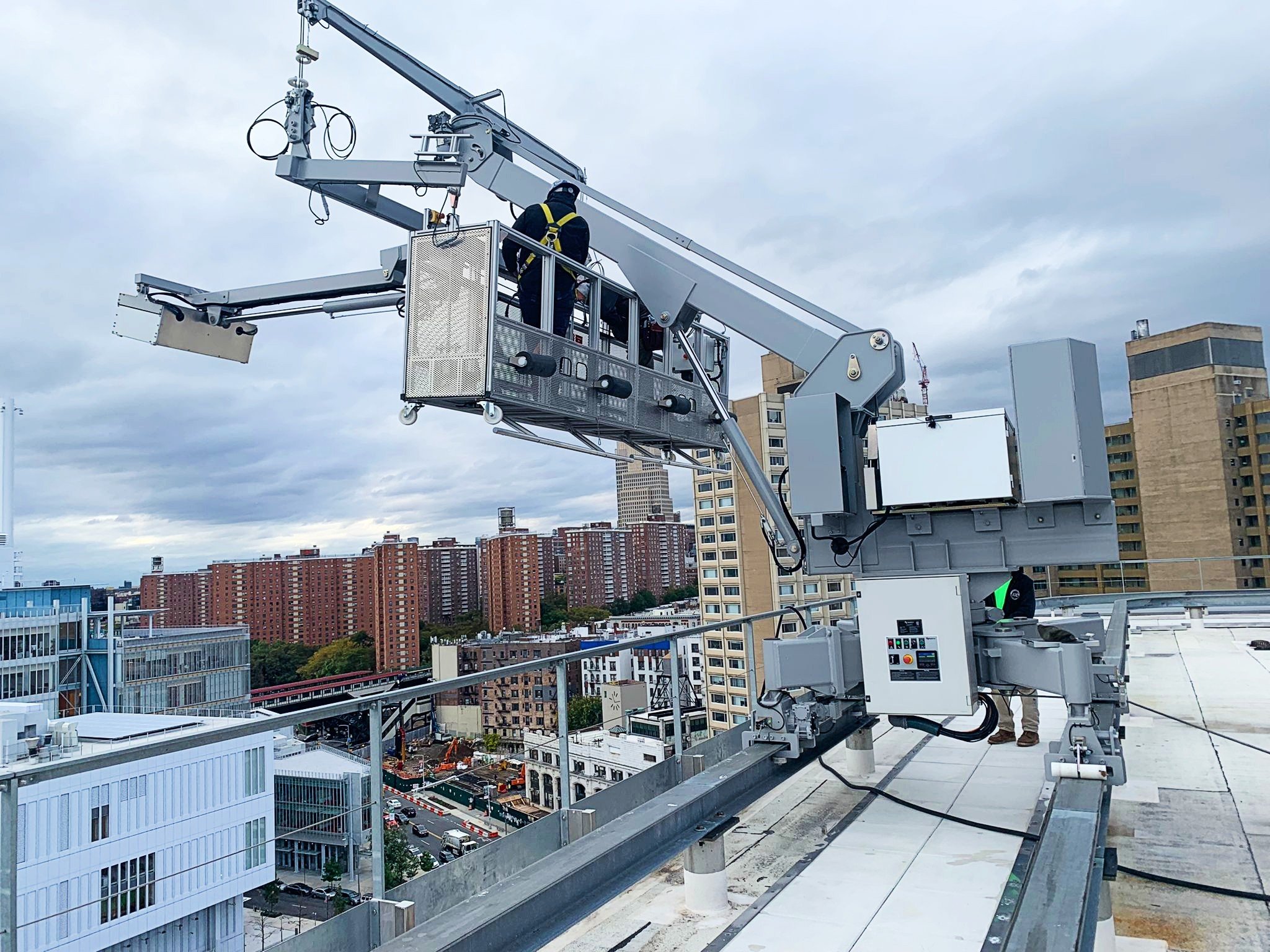
High-rise buildings, commercial complexes, hotels, hospitals, offices, factories, and mixed-use properties require regular exterior care. Glass panels need cleaning, façade joints require inspection, damaged surfaces need repair, and structural components must remain accessible to trained workers. A dependable building maintenance system in Myanmar gives maintenance teams controlled access to elevated areas while supporting safer work practices.
GROXX GEARS supplies heavy-duty industrial solutions created for demanding construction and property maintenance work. Its product range covers suspended access equipment, fall arrest systems, horizontal and vertical lifelines, anchor equipment, rigging gear, and other components needed for elevated tasks. Each solution focuses on strength, dependable performance, and reliable operation across challenging job sites.
Property owners and facility managers cannot treat façade access as an afterthought. Building shape, roof structure, height, access points, maintenance frequency, worker movement, and emergency planning all affect system selection. A properly planned building maintenance system in Myanmar supports routine cleaning and repair work while helping teams manage risks linked to working at height.
What Is a Building Maintenance System?
A building maintenance system refers to equipment that allows workers to access exterior walls, windows, roofs, towers, and other difficult areas. Common components may include suspended platforms, roof rigs, davit arms, hoists, wire ropes, anchor points, lifelines, safety devices, and full-body harnesses.
Some buildings need permanent roof-mounted equipment because exterior maintenance happens frequently. Other properties may need portable davit systems or temporary suspended platforms for scheduled projects. The correct arrangement depends on façade design, roof layout, building height, expected tasks, and available structural support.
A building maintenance system in Myanmar may support window cleaning, painting, sealant repair, waterproofing, glass replacement, façade inspections, panel maintenance, and structural checks. Rather than relying only on temporary scaffolding for every job, property teams can use planned access equipment that offers controlled movement across selected building areas.
Every component must work as part of a complete safety plan. Platforms require reliable suspension points. Hoists need suitable wire ropes and braking devices. Workers need personal fall protection connected to approved anchors. Rescue procedures must also account for possible equipment failure, sudden weather changes, or worker injury.
Why Myanmar Properties Need Dependable Access Equipment
Myanmar has many commercial, residential, hospitality, healthcare, manufacturing, and public buildings that require recurring exterior maintenance. Weather exposure can affect glass, paint, concrete, metal panels, joints, seals, and roof-mounted equipment. Heat, rain, moisture, dust, and pollution may gradually affect building surfaces and mechanical parts.
A dependable building maintenance system in Myanmar helps property teams complete planned care before minor concerns become costly repair projects. Regular checks can identify loose panels, damaged sealant, surface cracks, corrosion, water-entry points, and weakened exterior components.
Safe access also supports better workmanship. Technicians can position themselves closer to damaged areas, carry suitable tools, and complete detailed tasks with better control. Cleaning crews can move across glass surfaces more efficiently. Inspection teams can document façade conditions without relying on limited views from ground level.
Building maintenance systems also help property managers create predictable schedules. Cleaning, inspection, repair, and testing can follow planned intervals rather than waiting until visible damage appears. This approach supports appearance, operating quality, and long-term property value.
Main Components of a Building Maintenance System in Myanmar
A complete access setup may include several connected components. Each one serves a specific function and must match the structure, task, load, and working environment.
Suspended Access Platforms
Suspended platforms carry workers, tools, and materials along exterior building surfaces. They are commonly used for glass cleaning, repainting, sealant application, façade repairs, inspection work, and panel replacement.
Platform length, rated capacity, suspension method, travel distance, control layout, and safety devices must suit the planned work. Workers need enough space to move safely without overloading the platform. Tools and materials must remain secured during operation.
A platform that is too short may leave façade sections difficult to reach. One that is too large may be harder to position near recessed walls, curved surfaces, or narrow work zones. Careful planning helps match platform dimensions with building geometry.
For many property owners, suspended platforms form a central part of a building maintenance system in Myanmar because they support several recurring exterior tasks through one access method.
Building Maintenance Units
A building maintenance unit, often called a BMU, is a roof-mounted access system used for high-rise or complex structures. Depending on design, a BMU may travel along roof tracks, rotate across selected areas, extend over parapets, and lower a cradle along the façade.
BMUs are useful for buildings where regular access must reach several elevations or exterior zones. Their design may include telescopic arms, cradles, lifting equipment, control systems, tracks, trolleys, and safety mechanisms.
Roof layout strongly affects BMU selection. Mechanical equipment, parapets, structural columns, water tanks, signs, solar panels, and restricted areas can limit movement. Outreach distance also matters because the cradle must pass beyond roof edges and reach required façade sections.
A well-planned BMU can become a permanent part of a building maintenance system in Myanmar, giving facility teams a consistent method for cleaning, inspection, and repair work across tall properties.
Davit Arms and Roof Rigs
Davit arms support suspended access equipment from roof level. A typical system may include a base, socket, removable or permanent arm, suspension point, and related rigging components.
Portable davits can be moved between approved sockets, allowing one arm to serve several work areas. Permanent davits may suit buildings that require frequent access at fixed positions. The selected type should match roof strength, available storage, worker handling needs, and maintenance frequency.
Roof rigs may also support suspension lines where direct anchorage is not practical. Counterweights, beams, fixing points, and structural supports must meet the required load conditions.
Davit systems can support a practical building maintenance system in Myanmar for hotels, offices, hospitals, shopping centers, and residential towers where roof access points have been planned correctly.
Anchor Point Equipment
Anchor points provide secure connection locations for personal fall arrest, work restraint, rope access, and suspended access systems. Permanent anchors may remain fixed to roof or structural surfaces, while temporary anchors may support short-duration tasks.
Anchor placement requires careful assessment. Workers should be able to connect before approaching an exposed edge. Connection points must also support suitable movement without creating unsafe swing-fall conditions.
Every anchor must match its intended purpose. A point designed for worker restraint may not automatically suit suspended platform loads. Structural review, product specifications, inspection procedures, and system documentation should guide selection.
GROXX GEARS offers equipment designed for heavy-duty industrial use, making anchor-related products a valuable part of a building maintenance system in Myanmar.
Horizontal and Vertical Lifelines
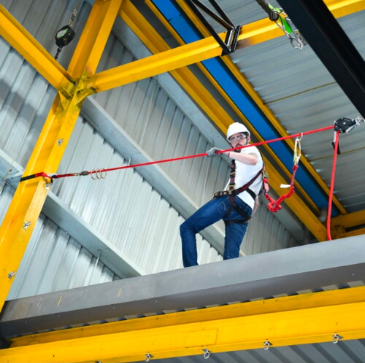
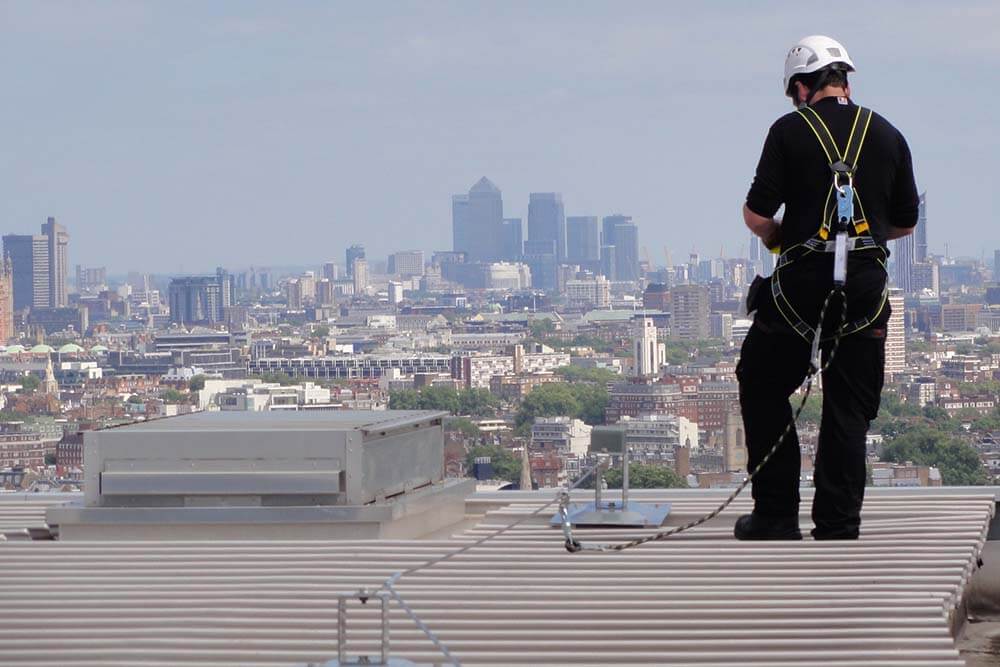
Horizontal lifelines allow workers to move across roofs, elevated walkways, and wide work areas while staying connected. They may use cable, rail, or flexible line arrangements based on site needs.
Vertical lifelines support movement along ladders, towers, shafts, and similar routes. Workers connect through compatible devices that travel with them and respond during a fall event.
These systems are especially helpful before workers reach a suspended platform or maintenance cradle. Roof access may include exposed paths, raised equipment, narrow walkways, or unprotected edges. A horizontal lifeline can support movement between access doors, davit sockets, BMUs, and inspection areas.
A vertical lifeline may support ladder access leading toward roof zones or service areas. Together, both systems strengthen a building maintenance system in Myanmar by supporting safe movement before, during, and after exterior work.
Hoists, Wire Ropes, and Safety Devices
Hoists raise and lower suspended platforms. Their rated load, lifting speed, power source, braking system, and control design must suit the platform and operating conditions.
Wire ropes carry platform loads and require regular checks for broken wires, corrosion, crushing, deformation, contamination, and wear. Secondary safety ropes provide another protective layer when paired with suitable safety devices.
Emergency stops, upper-limit devices, overspeed mechanisms, manual descent controls, and braking systems may form part of the platform setup. Each device should receive scheduled inspection and functional testing.
Small defects can become serious during elevated work. A complete building maintenance system in Myanmar should include a clear servicing plan covering hoists, ropes, controls, brakes, connectors, platforms, and anchor equipment.
Building Types That Benefit From Maintenance Systems
High-rise offices often require routine glass cleaning and sealant checks. Hotels need attractive façades and reliable access for window, sign, lighting, and exterior repair work. Hospitals require planned maintenance methods that reduce disruption around entrances and patient areas.
Shopping centers may have large glass surfaces, decorative panels, signs, canopies, and complex exterior features. Residential towers need access for window cleaning, repainting, waterproofing, and exterior inspections. Factories and warehouses may require roof access, wall repairs, ventilation checks, and structural maintenance.
Government buildings, schools, transport facilities, and mixed-use developments can also benefit from a building maintenance system in Myanmar. Any property with elevated surfaces, difficult exterior areas, or recurring maintenance needs should consider a planned access solution.
Common Uses of a Building Maintenance System in Myanmar
Exterior glass cleaning remains one of the most common applications. Suspended platforms allow cleaning crews to reach wide curtain walls, upper-floor windows, recessed glass sections, and difficult corners.
Façade inspection is another major use. Workers can check cracks, loose panels, failed joints, water stains, corrosion, damaged paint, sealant gaps, and surface movement. Close access makes visual checks more useful than observations made from the ground.
Glass replacement requires stable worker positioning and controlled material handling. Replacement crews may need lifting support, rigging equipment, secure platforms, and suitable fall protection.
Painting and coating work also benefits from consistent access. Crews can prepare surfaces, remove damaged material, apply protective coatings, and complete finishing work across large exterior sections.
Waterproofing and sealant repair require careful attention to joints, gaps, frames, and wall connections. A building maintenance system in Myanmar lets technicians reach these areas while carrying the tools and materials needed for detailed repair work.
Safety Factors Before Choosing a System
System selection should begin with a full review of the property. Building height, roof strength, façade shape, parapet dimensions, access doors, structural supports, and restricted zones all affect equipment choice.
Expected tasks must also be listed. Cleaning may require one platform arrangement, while glass replacement or heavy repair work may require greater capacity and stronger rigging support.
Load calculations should cover workers, tools, materials, platform weight, suspension equipment, and any forces created during movement. Weather limits must also be established because wind and rain can affect suspended access work.
Fall clearance, anchor placement, worker connection methods, communication procedures, emergency descent, and rescue plans must receive attention. A building maintenance system in Myanmar should never operate without trained workers and clear procedures.
Why Site-Specific Planning Matters
No two buildings share the same roof layout, façade shape, height, access points, or maintenance demands. A standard equipment package may fail to reach recessed walls, sloped surfaces, wide overhangs, glass corners, or lower podium areas.
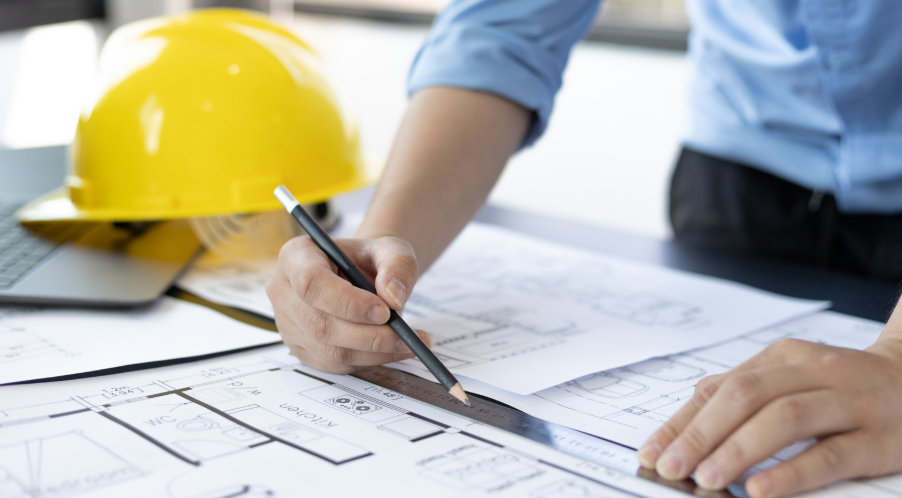
Site-specific planning identifies where workers must travel, where platforms must descend, and where anchors or davits should be placed. It also checks whether equipment can be stored, moved, assembled, and inspected safely.
GROXX GEARS recognizes that structural differences require carefully selected fall protection and suspended access solutions. Its focus on heavy-duty equipment supports projects where performance and reliability remain critical.
A carefully planned building maintenance system in Myanmar can reduce unreachable areas, limit unnecessary repositioning, and support more organized maintenance work.
Engineering Quality From GROXX GEARS
GROXX GEARS focuses on industrial equipment made for challenging environments. High-strength alloys and advanced heat-treatment processes support durability under heavy loads, repeated use, and demanding operating conditions.
Precision manufacturing also matters. Tight tolerances help mechanical parts fit and move correctly. Accurate production can reduce unwanted movement, excess vibration, uneven loading, and premature wear.
This engineering approach applies across rigging products, fastening equipment, fall protection components, and building maintenance solutions. Each product must perform reliably because elevated work leaves little room for weak components or poor-quality connections.
Property owners searching for a building maintenance system in Myanmar can benefit from equipment created around strength, controlled performance, and industrial use.
Benefits of Choosing GROXX GEARS
GROXX GEARS brings several product categories together for construction, maintenance, and elevated work. Customers can source suspended access equipment, fall arrest systems, lifelines, anchors, rigging gear, and related industrial components through one provider.
Its solutions support façade cleaning, glass replacement, inspections, repairs, and structural maintenance. Equipment choices can address both routine property care and more demanding project work.
The company also focuses on durable materials and precision production. This approach supports equipment life, dependable function, and consistent operation across harsh work settings.
Choosing GROXX GEARS for a building maintenance system in Myanmar gives facility managers, developers, contractors, and property owners access to equipment designed for demanding commercial and industrial needs.
How to Select the Right Building Maintenance System in Myanmar
Start by documenting the property. Record building height, roof design, façade materials, parapet size, access points, maintenance areas, and known obstacles.
Next, list every expected task. Cleaning, painting, waterproofing, inspection, repair, glass replacement, and panel work may require different capacities or access arrangements.
Check whether the proposed system can reach every required zone. Some buildings have podium levels, recessed walls, sloped façades, decorative fins, canopies, and overhangs that need separate access methods.
Select compatible safety equipment. Platforms, hoists, ropes, anchors, lifelines, harnesses, connectors, and rescue equipment must work together.
Plan inspection and servicing from the start. A building maintenance system in Myanmar needs pre-use checks, recorded inspections, scheduled maintenance, equipment testing, and clear replacement rules.
Maintenance Practices That Support Reliable Operation
Workers should inspect equipment before each use. Checks may cover wire ropes, hoists, controls, brakes, connectors, platform rails, suspension points, anchors, lifelines, and electrical components.
Equipment should remain clean and protected from moisture, chemicals, dust, and corrosive materials. Storage areas should prevent damage, tangling, impact, and unauthorized use.
Inspection records should state the date, equipment condition, faults found, repairs completed, and person responsible. Damaged items should be removed from service until properly assessed.
Training should cover equipment operation, load limits, connection methods, emergency controls, communication, weather restrictions, and rescue actions.
Good maintenance helps a building maintenance system in Myanmar remain ready for scheduled exterior work and unexpected repair needs.
Supporting Worker Safety at Height
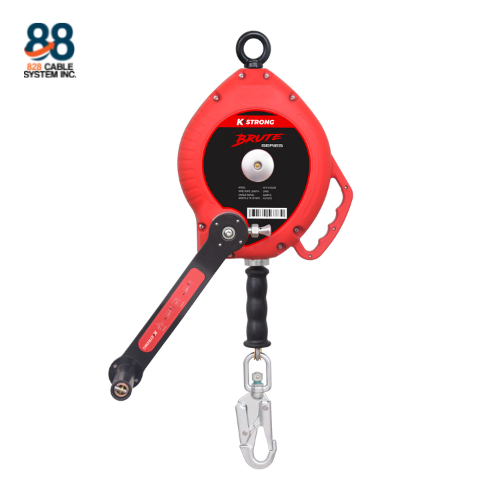
Access equipment alone does not create a complete safety setup. Workers also need full-body harnesses, suitable connectors, energy-absorbing lanyards, self-retracting lifelines, approved anchors, helmets, and task-specific protective equipment.
Fall restraint systems help prevent workers from reaching an exposed edge. Fall arrest systems stop a fall after it occurs. Work-positioning systems support workers while they complete tasks with both hands. Rescue equipment helps recover a worker after an incident.
Each method has a different purpose. Equipment should never be mixed without checking compatibility and intended use.
A complete building maintenance system in Myanmar should connect access planning, personal protection, worker training, inspection, supervision, and rescue preparation.
Better Building Care With GROXX GEARS
Exterior maintenance protects more than appearance. Regular care can reveal cracks, failed sealants, damaged panels, corrosion, water leaks, loose components, and other concerns before they become larger problems.
Dependable access allows qualified crews to complete cleaning, inspection, repair, coating, and replacement work with greater control. It also gives property managers a clearer method for planning recurring tasks.
GROXX GEARS supports these needs through heavy-duty suspended access equipment, fall arrest solutions, lifelines, anchor products, rigging gear, and industrial components. Its focus on strength and precise manufacturing suits demanding work environments.
A properly selected building maintenance system in Myanmar can support worker protection, organized maintenance, building appearance, and long-term property care. GROXX GEARS offers the equipment foundation needed for safer access across commercial, industrial, residential, and public structures.
Frequently Asked Questions
What is a building maintenance system in Myanmar?
A building maintenance system in Myanmar is a group of access and safety components used for exterior cleaning, inspection, painting, repair, waterproofing, glass replacement, and structural care. It may include suspended platforms, BMUs, davit arms, hoists, lifelines, anchors, wire ropes, and personal fall protection equipment.
Which properties need suspended access equipment?
High-rise offices, hotels, hospitals, condominiums, shopping centers, factories, warehouses, public buildings, and mixed-use developments may need suspended access equipment. Properties with tall façades, wide glass surfaces, roof edges, recessed walls, or difficult maintenance zones can benefit from a planned access setup.
What tasks can crews complete with a building maintenance system?
Crews may use a building maintenance system in Myanmar for window cleaning, façade washing, painting, waterproofing, sealant repair, glass replacement, surface inspection, panel checks, corrosion treatment, and structural maintenance.
What safety equipment should support suspended access work?
Workers commonly need full-body harnesses, lanyards, self-retracting lifelines, secure anchor points, secondary safety lines, helmets, compatible connectors, and rescue equipment. Equipment selection should match the access method, work location, fall clearance, and task.
How often should building maintenance equipment be inspected?
Workers should complete pre-use checks before each operation. Detailed inspections should follow manufacturer guidance, project requirements, equipment condition, usage frequency, and applicable safety rules. Extra checks may be needed after repairs, long storage, impact, overloading, or unusual operating events.
Can GROXX GEARS support complex building façades?
GROXX GEARS provides suspended access, fall protection, lifeline, anchor, and rigging solutions suited to varied building requirements. Complex façades may require site-specific planning based on roof layout, parapets, recesses, overhangs, access routes, and maintenance zones.
Why choose GROXX GEARS for a building maintenance system in Myanmar?
GROXX GEARS focuses on heavy-duty industrial products built with durable materials, precision manufacturing, and strict tolerances. Its equipment range supports façade access, fall protection, rigging, cleaning, inspection, glass replacement, and repair work across demanding commercial and industrial settings.