Working at elevated heights is one of the most hazardous activities across industries such as construction, manufacturing, telecommunications, utilities, warehousing, and maintenance. Even experienced workers face risks when performing tasks on rooftops, scaffolding, towers, platforms, or elevated structures. A properly designed Fall Arrest System is one of the most effective solutions for minimizing the risk of serious injuries and fatalities caused by falls.
Employers have a responsibility to provide a safe working environment, while workers need dependable equipment that performs exactly as intended when an accident occurs. Understanding how a Fall Arrest System works, what components it includes, and how to select and maintain it can significantly improve workplace safety and regulatory compliance. This guide explains everything organizations should know to make informed decisions and build safer work environments.
What Is a Fall Arrest System?
A Fall Arrest System is a collection of personal protective equipment designed to safely stop a worker during a fall before they strike a lower level. Unlike systems that simply prevent access to hazardous edges, a Fall Arrest System activates after a fall begins, reducing the impact forces on the worker and keeping them suspended safely until rescue can be performed. Its primary objective is to reduce the severity of injuries while protecting lives in high-risk work environments. These systems are commonly used wherever employees perform tasks several feet above the ground or above dangerous machinery. Industries around the world rely on Fall Arrest System solutions to meet workplace safety requirements and reduce accident rates. When properly installed and used correctly, the system becomes a critical layer of protection within a comprehensive fall protection program. Understanding its purpose is the first step toward improving safety for every employee working at height.
Why a Fall Arrest System Is Essential for Working at Heights
Falls remain one of the leading causes of workplace injuries and fatalities, making reliable fall protection an essential investment rather than an optional expense. A high-quality Fall Arrest System protects workers from life-threatening injuries by stopping falls safely and reducing the force experienced during impact. Beyond protecting employees, it also helps organizations reduce downtime, compensation costs, insurance claims, and project delays associated with workplace accidents. A safe workplace improves employee confidence, allowing workers to focus on productivity without unnecessary fear of injury. Businesses that prioritize fall protection also demonstrate their commitment to safety, strengthening their reputation among clients, partners, and regulatory agencies. Meeting OSHA and ANSI requirements further helps organizations avoid penalties and maintain compliance with industry standards. Investing in a dependable Fall Arrest System ultimately protects both people and business operations.
Key Components of a Fall Arrest System
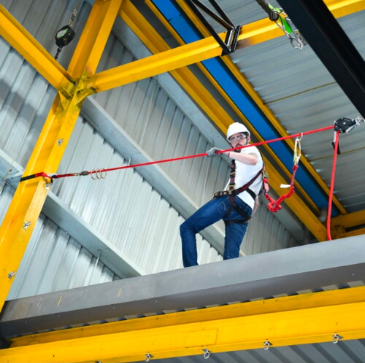
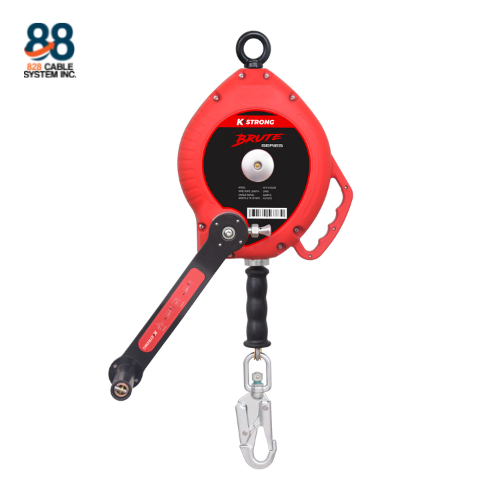
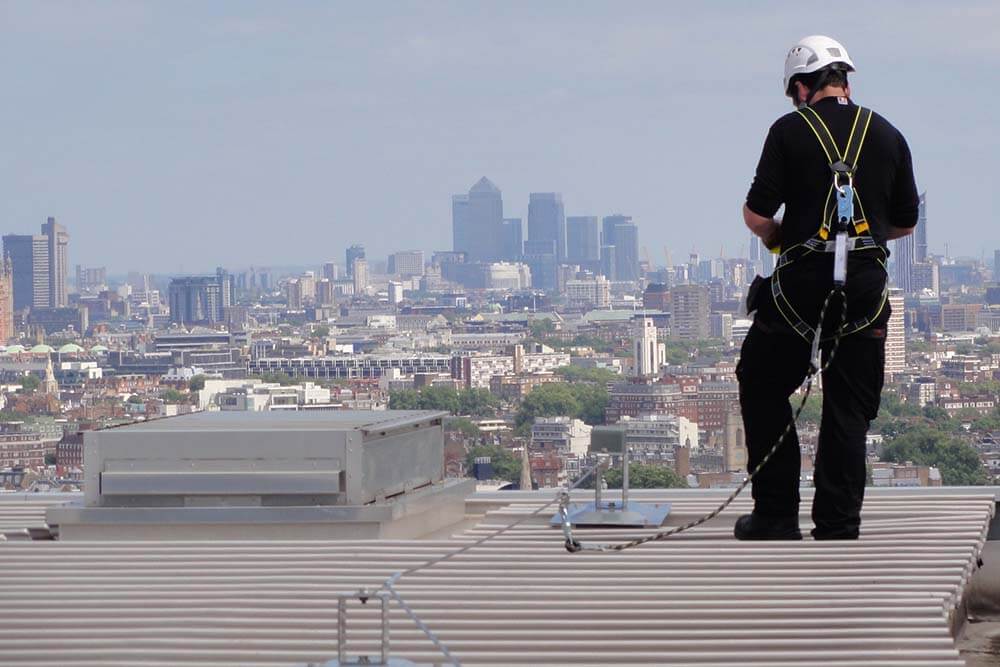
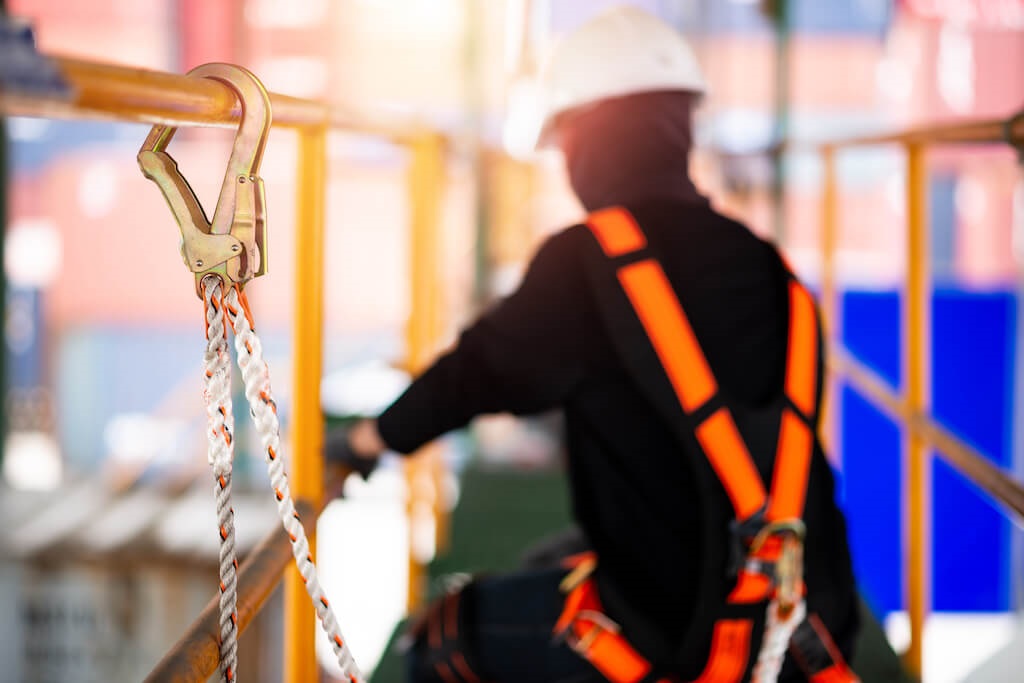
Every Fall Arrest System consists of several interconnected components that work together during a fall event. The full-body harness distributes arresting forces across stronger parts of the body such as the shoulders, thighs, pelvis, and chest, reducing the likelihood of severe injury. The anchorage point serves as the secure attachment capable of supporting substantial loads generated during a fall. Connecting devices such as shock-absorbing lanyards and self-retracting lifelines connect the worker’s harness to the anchor while limiting the force transmitted to the body. Energy absorbers reduce the impact by gradually slowing the worker during the arrest process rather than stopping the fall abruptly. Carabiners, connectors, and other compatible hardware ensure every component remains securely attached throughout the operation. Each piece must meet recognized safety standards and be compatible with the rest of the system to provide dependable protection.
How a Fall Arrest System Works
A Fall Arrest System functions through a carefully engineered sequence of events that begins the moment a worker loses balance. As the worker falls, the connecting device immediately begins engaging, while energy-absorbing elements reduce the force transmitted to the body. The anchorage point remains securely fixed, providing the stability necessary to stop the fall safely. The full-body harness distributes arrest forces across multiple areas of the body instead of concentrating pressure on a single point. Once the worker comes to a complete stop, they remain suspended until trained personnel carry out a rescue. Proper rescue planning is essential because prolonged suspension can create additional medical risks. Every step of this process highlights why equipment quality, correct installation, and employee training are equally important.
Types of Fall Arrest Systems
Different work environments require different Fall Arrest System configurations to provide effective protection. Personal Fall Arrest Systems (PFAS) are among the most common and include a harness, connecting device, and secure anchor point. Horizontal lifeline systems allow workers to move across large elevated workspaces while remaining continuously connected. Vertical lifeline systems are ideal for climbing ladders, towers, and similar structures where movement occurs in an upward or downward direction. Self-retracting lifelines automatically extend and retract as workers move, locking instantly if a fall occurs and minimizing free-fall distance. Some specialized environments also require engineered rail systems or permanent anchor installations for ongoing maintenance work. Selecting the correct type depends on workplace hazards, employee movement, and applicable safety regulations.
Industries That Depend on Fall Arrest Systems
Numerous industries rely on a dependable Fall Arrest System because employees routinely perform work above ground level. Construction workers install structural components, roofing materials, and building systems at significant heights where fall risks are constant. Utility crews climb poles, transmission towers, and communication structures that require continuous fall protection. Manufacturing facilities often include elevated maintenance platforms, overhead equipment, and mezzanines where workers need reliable protection. Wind energy technicians spend extended periods inside turbines, making specialized fall protection critical for safe operations. Oil and gas facilities, mining operations, warehouses, and transportation infrastructure projects all involve elevated work that demands dependable safety equipment. Even commercial building maintenance teams performing window cleaning or façade inspections depend on properly designed Fall Arrest System solutions to perform their work safely.
How to Select the Right Fall Arrest System
Choosing the right Fall Arrest System begins with a thorough hazard assessment that identifies every potential fall risk in the workplace. Employers should evaluate working heights, available anchorage locations, employee movement patterns, environmental conditions, and rescue capabilities before selecting equipment. Fall clearance calculations are particularly important because insufficient clearance can allow workers to strike lower surfaces despite wearing protective equipment. Equipment compatibility should always be verified to ensure all components function together as designed. Comfort is another factor since properly fitted harnesses encourage consistent use and reduce worker fatigue during long shifts. Purchasing certified equipment from reputable manufacturers helps ensure compliance with OSHA and ANSI requirements while improving long-term reliability. Consulting experienced fall protection professionals can further help organizations design systems tailored to their unique operational needs.
Proper Inspection and Maintenance Practices
Routine inspection and maintenance keep every Fall Arrest System functioning as intended throughout its service life. Workers should inspect harnesses, lanyards, lifelines, connectors, and anchor devices before every use, looking for cuts, fraying, corrosion, deformation, or missing labels. Scheduled detailed inspections by competent personnel should supplement daily visual checks to identify hidden signs of wear or damage. Equipment exposed to harsh chemicals, excessive heat, moisture, or ultraviolet radiation requires additional attention because environmental conditions can accelerate deterioration. Cleaning equipment according to manufacturer recommendations prevents contaminants from reducing performance while proper storage protects components from unnecessary damage. Any equipment involved in arresting a fall should be removed from service immediately unless the manufacturer specifically authorizes reuse following inspection. Accurate inspection records also support compliance efforts and demonstrate a company’s commitment to workplace safety.
Employee Training and Safe Usage
Even the most advanced Fall Arrest System cannot provide maximum protection without proper employee training. Workers must understand how to inspect equipment, adjust harnesses correctly, connect components securely, and recognize unsafe conditions before beginning elevated work. Hands-on practice helps employees become comfortable using the equipment while reinforcing safe work habits. Training should also explain fall clearance requirements, swing fall hazards, and proper anchor selection so workers understand why every connection matters. Rescue procedures must be included because rapid recovery following a fall reduces medical complications associated with suspension trauma. Refresher training ensures experienced workers remain familiar with updated equipment and changing regulations. Organizations that invest in continuous education create stronger safety cultures and reduce preventable workplace incidents.
Common Mistakes That Reduce Fall Arrest System Effectiveness
Several common mistakes can compromise the effectiveness of a Fall Arrest System, even when high-quality equipment is available. Workers sometimes attach their lanyards to unsuitable anchor points that cannot support required loads during a fall. Poorly adjusted harnesses may allow excessive movement, increasing injury risks during fall arrest. Failing to inspect equipment before use can leave damaged components undetected until an emergency occurs. Mixing components from different manufacturers without verifying compatibility may reduce system performance or violate manufacturer recommendations. Ignoring swing fall hazards can result in workers colliding with nearby structures despite being protected from vertical impact. Delaying rescue planning is another serious mistake because suspended workers require prompt assistance. Avoiding these common errors significantly improves the overall effectiveness of every Fall Arrest System.
Regulations and Safety Standards
Regulatory compliance plays a major role in the proper implementation of every Fall Arrest System. OSHA establishes requirements for fall protection in many workplaces, including construction and general industry, helping employers maintain safe working environments. ANSI standards provide additional guidance regarding equipment design, testing, performance, and proper use. Employers are responsible for selecting appropriate equipment, training employees, inspecting systems, and maintaining detailed safety records. Workers also share responsibility by using equipment correctly, reporting defects, and following established safety procedures. Staying informed about changing regulations allows organizations to continuously improve their fall protection programs. Meeting recognized standards not only supports compliance but also strengthens worker confidence and organizational credibility.
Emerging Innovations in Fall Arrest Systems
Technology continues to improve the performance, comfort, and reliability of every modern Fall Arrest System. Smart harnesses equipped with sensors can monitor worker movement and notify supervisors if a fall occurs. IoT-enabled safety devices allow real-time equipment monitoring, making inspections and maintenance more efficient. Manufacturers continue developing lighter materials that improve worker comfort without sacrificing durability or strength. Self-retracting lifelines now feature faster locking mechanisms and enhanced energy absorption to further reduce arrest forces. Digital asset management software simplifies equipment tracking, inspection scheduling, and regulatory documentation. As technology advances, organizations gain access to smarter safety solutions that improve compliance while reducing workplace risks. These innovations demonstrate how fall protection continues evolving to meet the changing demands of modern industries.
Frequently Asked Questions
What is a Fall Arrest System?
A Fall Arrest System is a collection of safety equipment designed to safely stop a worker during a fall before they reach a lower level, reducing the risk of serious injury or death.
What equipment is included in a Fall Arrest System?
A typical system includes a full-body harness, anchorage point, connecting device such as a shock-absorbing lanyard or self-retracting lifeline, connectors, and energy-absorbing components.
How is a Fall Arrest System different from a fall restraint system?
A fall restraint system prevents workers from reaching a fall hazard, while a Fall Arrest System safely stops a worker after a fall has already started.
How often should fall protection equipment be inspected?
Workers should inspect equipment before every use, while competent personnel should perform more detailed inspections according to manufacturer recommendations and workplace safety policies.
Can equipment be reused after stopping a fall?
In most situations, equipment involved in arresting a fall should be removed from service immediately and evaluated according to manufacturer instructions before any decision regarding reuse.
Which industries commonly use Fall Arrest Systems?
Construction, telecommunications, utilities, manufacturing, oil and gas, warehousing, mining, wind energy, transportation, and commercial building maintenance all commonly use Fall Arrest System solutions.
How can employers choose the right Fall Arrest System?
The best choice depends on workplace hazards, working height, employee movement, environmental conditions, rescue planning, regulatory requirements, and equipment compatibility.
Why is employee training important?
Training ensures workers understand proper equipment use, inspection procedures, hazard recognition, emergency response, and safe work practices, greatly improving overall workplace safety.
Takeaway
A properly selected, inspected, and maintained Fall Arrest System is one of the most valuable investments an organization can make to protect employees working at heights. Combining high-quality equipment with regular inspections, comprehensive training, and compliance with OSHA and ANSI standards creates a safer work environment while reducing operational risks. Every component, from the full-body harness to the anchorage point, plays an essential role in protecting workers when unexpected falls occur. By understanding how these systems function and implementing best practices across all operations, businesses can strengthen their safety culture, improve productivity, and provide workers with the confidence to perform elevated tasks safely every day.