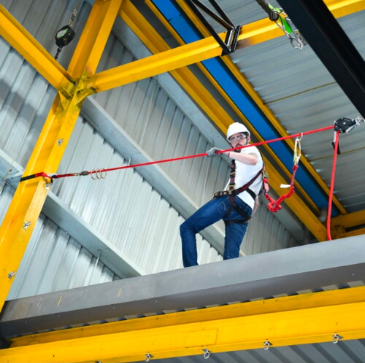
Working at height requires reliable equipment that can protect workers from potentially life-threatening falls. A Self Retracting Lanyard is one of the most effective fall protection devices available because it automatically extends and retracts as the user moves while locking instantly during a sudden fall. This design helps reduce free-fall distance and minimizes the force placed on the worker’s body during fall arrest. Unlike traditional fixed-length lanyards, a Self Retracting Lanyard allows greater freedom of movement without sacrificing safety. It has become a standard component of many personal fall arrest systems across numerous industries. Employers rely on this equipment to improve workplace safety while supporting compliance with established occupational safety regulations. Understanding how a Self Retracting Lanyard works and selecting the right model are essential steps toward creating a safer work environment.
What Is a Self Retracting Lanyard?
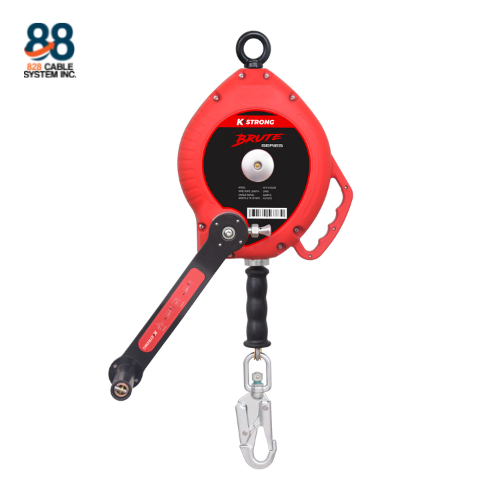
A Self Retracting Lanyard is a fall protection device designed to extend and retract its lifeline automatically as a worker moves around a job site. Inside the durable housing is a braking mechanism that immediately locks the lifeline when it detects a rapid movement caused by a fall. This quick response significantly reduces the distance a worker falls before the arrest system engages. The equipment typically includes a housing, lifeline made from cable or webbing, connectors, swivels, and locking hooks that attach to approved anchor points and safety harnesses. Because the lifeline remains under light tension, excess slack is minimized throughout normal movement. Less slack means a shorter free-fall distance, reducing the risk of severe injuries during a fall event. A Self Retracting Lanyard plays a critical role in modern personal fall arrest systems for workers who regularly perform tasks at elevated locations.
Why a Self Retracting Lanyard Is Important for Workplace Safety
Working above ground always presents hazards, even when employees follow established safety procedures. A Self Retracting Lanyard provides continuous protection by remaining connected while allowing workers to move naturally throughout their tasks. Its rapid locking mechanism helps reduce arrest forces compared to many conventional lanyards, making it an important tool for minimizing injuries. Shorter fall distances also lower the chance of workers striking lower levels or surrounding structures. Better mobility often leads to improved productivity because employees spend less time adjusting their equipment while remaining protected. Organizations that invest in quality fall protection equipment also demonstrate a stronger commitment to employee well-being and regulatory compliance. Whether on construction sites, industrial facilities, or maintenance projects, a Self Retracting Lanyard helps create a safer workplace for everyone involved.
Industries That Commonly Use Self Retracting Lanyards
Many industries depend on a Self Retracting Lanyard because working at height is a routine part of daily operations. Construction professionals frequently use these devices while installing structural components, roofing systems, scaffolding, and steel frameworks. Manufacturing plants rely on fall protection equipment when employees access elevated machinery, storage systems, or maintenance platforms. Utility companies use retractable systems for workers climbing poles, towers, and substations where mobility and protection are equally important. Telecommunications technicians benefit from Self Retracting Lanyards while servicing communication towers and rooftop installations. Wind energy, oil and gas, mining, and warehousing operations also require dependable fall protection solutions to safeguard employees performing elevated tasks. Facility maintenance teams regularly use Self Retracting Lanyards when inspecting roofs, repairing HVAC systems, cleaning building exteriors, or servicing elevated equipment.
Main Types of Self Retracting Lanyards
Choosing the right Self Retracting Lanyard begins with understanding the different types available for specific work environments. Webbing models are lightweight and flexible, making them comfortable for workers who require frequent movement in general construction or maintenance applications. Cable models use galvanized or stainless-steel lifelines that offer excellent durability for demanding industrial settings where sharp edges or abrasive surfaces are common. Leading-edge Self Retracting Lanyards are specially engineered with enhanced energy absorption to protect workers operating near sharp structural edges that could damage standard lifelines during a fall. Personal self retracting models are compact and lightweight, making them ideal for workers who need mobility without carrying bulky equipment. Heavy-duty units are designed for high-capacity industrial applications and can withstand challenging environmental conditions over extended periods. Selecting the proper type helps maximize safety, durability, and overall job performance.
Key Features to Look for in a Self Retracting Lanyard
Not every Self Retracting Lanyard offers the same level of performance, so understanding important features can help buyers make informed decisions. Durable housings made from reinforced polymer or metal provide protection against impacts, weather, and everyday wear. High-quality braking mechanisms respond immediately during a fall while maintaining smooth retraction during normal movement. Swivel anchor connections reduce twisting of the lifeline and improve worker comfort throughout the workday. Corrosion-resistant materials are valuable for outdoor environments exposed to moisture, chemicals, or changing weather conditions. Inspection indicators allow users to quickly determine whether the equipment has experienced a fall event or requires removal from service. Strong connectors with self-locking gates, multiple lifeline length options, lightweight construction, and compatibility with approved harnesses further improve the overall effectiveness of a Self Retracting Lanyard.
Choosing the Right Self Retracting Lanyard
Selecting the appropriate Self Retracting Lanyard involves evaluating the work environment, job requirements, and applicable safety standards rather than simply choosing the lowest-priced option. Workers operating indoors may require different equipment than those exposed to rain, dust, chemicals, or extreme temperatures. The available fall clearance should always be calculated carefully to ensure enough space exists for the arrest system to function properly without contacting lower levels. Users must also verify that the selected equipment supports the combined weight of the worker, clothing, tools, and accessories within the manufacturer’s specified capacity. The choice between webbing and cable lifelines depends on flexibility requirements, durability expectations, and exposure to abrasive or sharp surfaces. Every Self Retracting Lanyard should comply with applicable OSHA regulations and ANSI standards while remaining compatible with the rest of the personal fall arrest system. Taking time to evaluate these factors helps organizations improve safety, extend equipment lifespan, and provide workers with reliable protection whenever they perform elevated tasks.
How to Properly Use a Self Retracting Lanyard
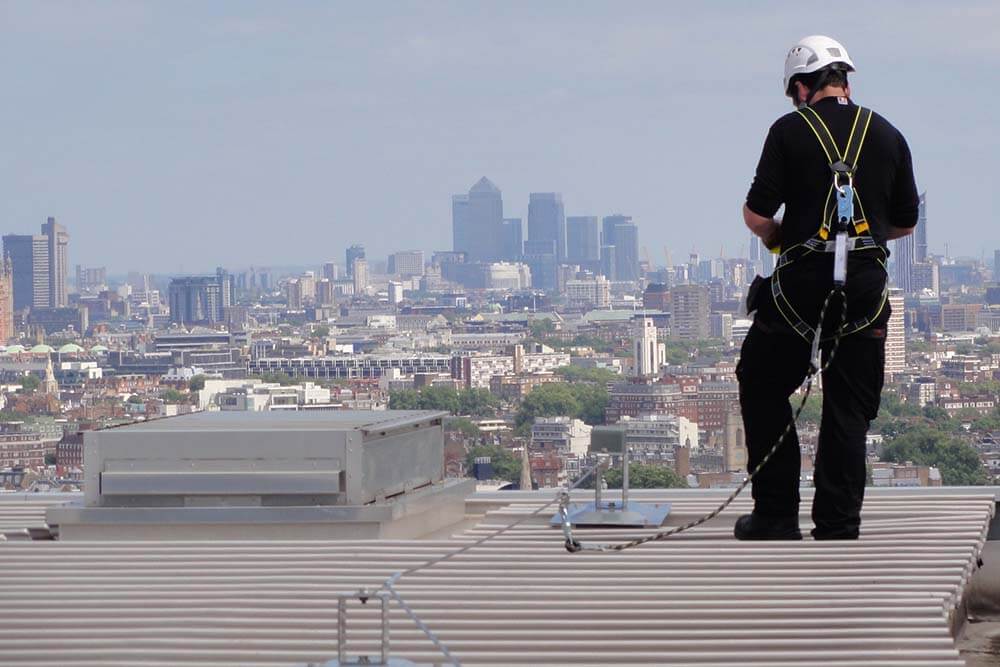
Using a Self Retracting Lanyard correctly is just as important as purchasing high-quality equipment because improper use can significantly reduce its effectiveness during a fall. Before each use, carefully inspect the housing, lifeline, connectors, locking hooks, and labels for signs of wear, corrosion, cuts, fraying, or any visible damage. Always attach the Self Retracting Lanyard to a certified anchor point that is capable of supporting the required load specified by applicable safety regulations and the manufacturer’s instructions. Connect the opposite end securely to a full-body safety harness using only compatible hardware to maintain the integrity of the personal fall arrest system. Keep the lifeline as vertical as possible to minimize swing fall hazards that could cause a worker to strike nearby structures during a fall. Never tie knots in the lifeline, extend it with unauthorized connectors, or modify the equipment in any way because doing so can compromise its performance. Workers should also receive proper fall protection training so they understand how to use the Self Retracting Lanyard safely, recognize hazards, and respond appropriately in emergency situations.
Common Mistakes to Avoid
Even the best Self Retracting Lanyard cannot provide adequate protection if it is used incorrectly or neglected during routine operations. One of the most common mistakes is using equipment that shows signs of damage, excessive wear, or previous fall arrest without having it inspected and approved for continued use. Another frequent error is attaching the lanyard to an unsuitable anchor point that cannot safely support the forces generated during a fall. Some workers create unnecessary slack in the lifeline, increasing free-fall distance and reducing the effectiveness of the braking system. Others fail to calculate sufficient fall clearance, which can result in contact with lower levels even when the Self Retracting Lanyard activates properly. Mixing components from different manufacturers without verifying compatibility may also weaken the overall fall protection system and create unexpected risks. Avoiding these common mistakes helps maximize worker safety, protects valuable equipment, and supports compliance with workplace safety requirements.
Inspection and Maintenance Best Practices
Routine inspection and maintenance play a vital role in ensuring that every Self Retracting Lanyard remains ready for use whenever workers perform tasks at height. A pre-use inspection should be completed before every shift by checking the housing for cracks, dents, loose fasteners, or other visible defects that could affect performance. The lifeline should extend and retract smoothly without hesitation while showing no signs of fraying, broken wires, cuts, chemical damage, or excessive abrasion. Locking hooks and connectors should operate correctly, close completely, and lock automatically to provide secure attachment points. In addition to daily inspections, a competent person should perform documented inspections at intervals recommended by the manufacturer and applicable safety regulations. Proper storage is equally important because prolonged exposure to moisture, direct sunlight, corrosive chemicals, or excessive heat can shorten the service life of the equipment. Cleaning the Self Retracting Lanyard according to the manufacturer’s recommendations and removing damaged units from service immediately helps maintain reliable fall protection and extends equipment longevity.
Benefits of Investing in a High-Quality Self Retracting Lanyard
Investing in a premium Self Retracting Lanyard offers long-term value for both employers and workers by improving safety and reducing operational risks. High-quality models are manufactured using durable materials that can withstand demanding work environments while maintaining dependable performance over time. Reliable braking mechanisms reduce free-fall distance and help minimize arrest forces, lowering the likelihood of serious injuries during an accidental fall. Lightweight construction and smooth retraction improve worker comfort, allowing employees to move more naturally and remain productive throughout the workday. Durable equipment also requires fewer replacements, helping organizations reduce maintenance expenses and improve their overall return on investment. Choosing certified products from reputable manufacturers supports compliance with OSHA and ANSI standards while demonstrating a commitment to workplace safety. When paired with proper training, inspections, and maintenance, a dependable Self Retracting Lanyard becomes an essential investment that protects lives and promotes a stronger safety culture.
Frequently Asked Questions
What is a Self Retracting Lanyard used for?
A Self Retracting Lanyard is designed to protect workers from falls while performing tasks at elevated locations. It automatically extends and retracts as the user moves and locks immediately during a fall to reduce free-fall distance and arrest forces. It is commonly used as part of a personal fall arrest system in construction, manufacturing, utilities, maintenance, and other industries where working at height is required. Proper use helps improve worker safety while supporting regulatory compliance. It should always be paired with a compatible full-body harness and approved anchor point. Regular inspections are necessary to ensure continued safe operation. Following manufacturer instructions is essential for maximum protection.
How does a Self Retracting Lanyard differ from a shock-absorbing lanyard?
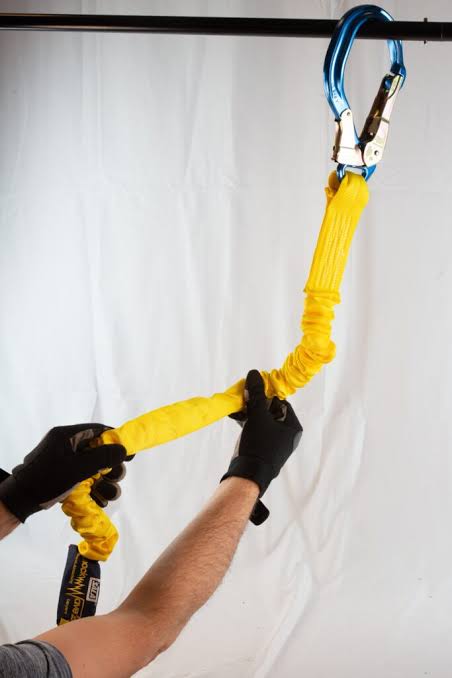
A Self Retracting Lanyard keeps the lifeline under light tension, allowing it to extend and retract automatically as the worker moves. A traditional shock-absorbing lanyard has a fixed length and relies on an energy-absorbing pack to reduce forces after a fall occurs. Because there is less slack in a Self Retracting Lanyard, the free-fall distance is generally much shorter. This often provides better mobility and improved protection in many elevated work applications. The appropriate choice depends on the work environment and required fall clearance. Employers should always follow applicable regulations and manufacturer recommendations. Selecting the right equipment helps create a safer workplace.
How often should a Self Retracting Lanyard be inspected?
A visual inspection should be completed before every use to identify obvious signs of damage or wear. In addition, a competent person should perform formal inspections according to the manufacturer’s recommendations and workplace safety requirements. Documentation of scheduled inspections helps maintain compliance and equipment records. Any Self Retracting Lanyard that has arrested a fall should be removed from service immediately unless the manufacturer specifically permits recertification. Equipment with damaged housings, lifelines, connectors, or labels should never be used. Regular inspections improve reliability and worker confidence. Proper maintenance also extends the service life of the equipment.
Can a Self Retracting Lanyard be used near sharp edges?
Some models are specifically engineered for leading-edge applications where workers may be exposed to sharp structural edges. These specialized Self Retracting Lanyards include enhanced energy absorption and lifelines designed for greater durability in demanding environments. Standard models may not provide adequate protection in these situations. Workers should always verify that the equipment is approved for leading-edge use before beginning work. Using the wrong type can increase the risk of equipment damage during a fall. Manufacturer instructions should always be followed carefully. Choosing the correct model helps maintain the highest level of protection.
What is the maximum working capacity of a Self Retracting Lanyard?
The maximum working capacity varies depending on the manufacturer and specific product model. Many Self Retracting Lanyards are designed to accommodate the combined weight of the worker, clothing, tools, and equipment within specified limits. Exceeding these limits may reduce the effectiveness of the fall arrest system. Product labels and instruction manuals provide the correct capacity information. Employers should ensure that every worker uses equipment suited to their application. Following capacity requirements improves safety and equipment performance. Never assume that all models have identical ratings.
How long does a Self Retracting Lanyard typically last?
The service life depends on usage frequency, environmental conditions, maintenance practices, and manufacturer guidelines. Equipment that is properly maintained and stored often remains in service longer than equipment exposed to harsh conditions or misuse. Regular inspections help identify wear before it becomes a safety hazard. Some manufacturers specify maximum service life recommendations even if the equipment appears undamaged. A Self Retracting Lanyard that has experienced a fall arrest usually requires removal from service. Always consult the manufacturer’s documentation for specific requirements. Proper care helps maximize the lifespan of the equipment.
Can a Self Retracting Lanyard be repaired after a fall?
Most manufacturers require a Self Retracting Lanyard involved in a fall arrest to be removed from service immediately. Depending on the manufacturer, some units may be returned for inspection and authorized servicing, while others must be permanently retired. Workers should never attempt unauthorized repairs because this may compromise safety. Only qualified personnel approved by the manufacturer should evaluate the equipment. Following these requirements helps ensure reliable protection. Always refer to the product documentation for guidance. Worker safety should remain the highest priority.
What safety standards should a Self Retracting Lanyard meet?
A quality Self Retracting Lanyard should comply with applicable OSHA regulations and relevant ANSI standards for fall protection equipment. Compliance indicates that the equipment has been designed and tested according to recognized safety requirements. Buyers should verify certifications before purchasing any fall protection device. Products from reputable manufacturers typically provide detailed compliance information in their documentation. Employers should also ensure compatibility with the rest of the personal fall arrest system. Meeting recognized standards improves workplace safety and regulatory compliance. Investing in certified equipment provides greater confidence during elevated work.
Takeaway
A Self Retracting Lanyard is one of the most effective pieces of fall protection equipment available for workers who perform tasks at height. Its ability to automatically extend, retract, and lock during a fall helps reduce free-fall distance while improving worker mobility throughout the day. Choosing the right model requires careful consideration of the work environment, required fall clearance, worker capacity, and applicable safety standards. Proper installation, routine inspections, regular maintenance, and comprehensive user training all contribute to reliable performance and long-term safety. Employers who invest in high-quality Self Retracting Lanyards demonstrate a commitment to protecting their workforce while supporting compliance with industry regulations. Workers who understand how to inspect and use the equipment correctly are better prepared to perform their jobs with confidence and reduced risk. By making a Self Retracting Lanyard an essential part of every personal fall arrest system, organizations can create safer workplaces and help prevent serious fall-related injuries.