Personal Protective Gear: Why It Plays a Critical Role in Safety
Personal Protective Gear is one of the most important investments for anyone working in environments where hazards are present. Whether on a construction site, inside a manufacturing plant, in a healthcare facility, or even during home improvement projects, the right protective equipment significantly reduces the risk of injury. Personal Protective Gear acts as the last line of defense when hazards cannot be completely eliminated through engineering controls or safe work practices. Wearing appropriate equipment helps protect workers from physical, chemical, biological, electrical, and environmental dangers. Beyond preventing injuries, quality protective gear promotes confidence, allowing individuals to focus on their tasks more effectively. Employers also benefit because a safer workplace often leads to fewer accidents, less downtime, and better productivity. Understanding the value of Personal Protective Gear is the first step toward building a stronger culture of safety.
Understanding the Different Types of Personal Protective Gear
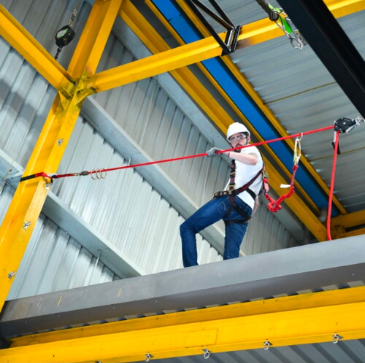
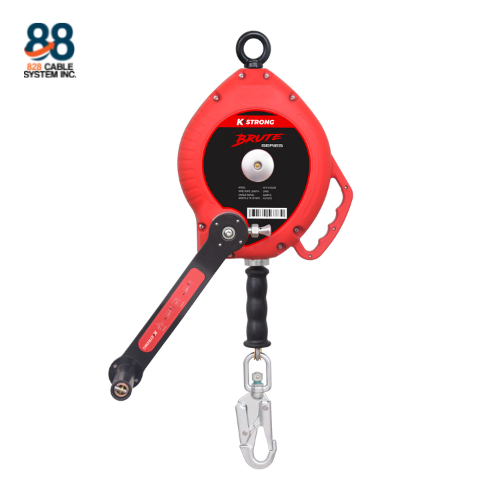
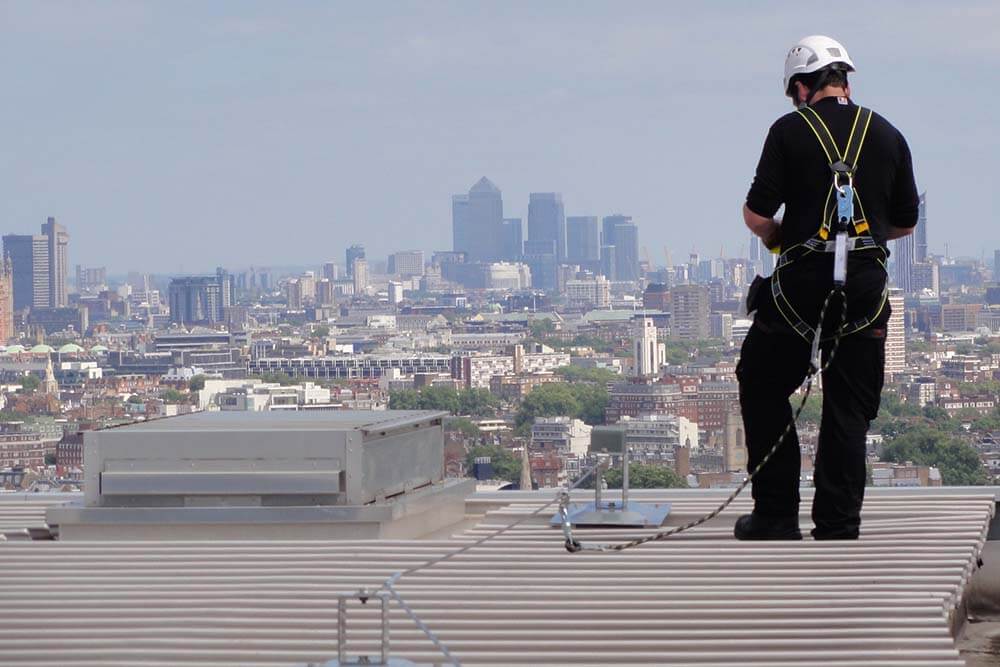
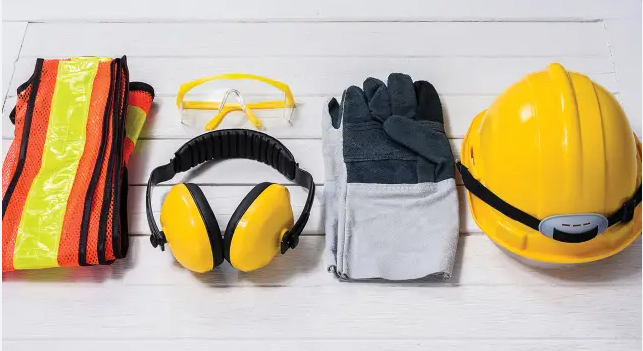
Personal Protective Gear comes in many forms because different hazards require different levels of protection. Head protection includes hard hats and safety helmets that guard against falling objects and accidental impacts. Eye and face protection consists of safety glasses, goggles, and face shields designed to prevent injuries from flying debris, chemicals, sparks, and dust. Hearing protection, such as earplugs and earmuffs, helps reduce exposure to excessive noise that can gradually damage hearing over time. Respiratory protection includes disposable masks and respirators that shield users from airborne contaminants, dust, fumes, and harmful particles. Hand protection ranges from cut-resistant gloves to chemical-resistant and heat-resistant gloves depending on the specific work environment. Foot protection includes steel-toe boots, composite-toe shoes, and slip-resistant footwear, while body protection covers high-visibility clothing, flame-resistant garments, chemical suits, and protective coveralls. Fall protection equipment, including safety harnesses, lanyards, and lifelines, is essential for workers performing tasks at elevated heights.
How to Choose the Right Personal Protective Gear
Selecting Personal Protective Gear should always begin with identifying the hazards present in the work environment. Every task carries unique risks, so equipment should match the level of protection required rather than relying on a one-size-fits-all approach. Proper fit is equally important because loose or overly tight equipment may reduce protection and create additional hazards. Comfort should also be considered since workers are more likely to wear equipment consistently when it fits well and allows freedom of movement. Buyers should always verify that products meet recognized safety standards such as ANSI, OSHA, or NIOSH certifications whenever applicable. The quality of materials, durability, and ease of maintenance should influence purchasing decisions because reliable equipment offers better long-term value. Choosing the right Personal Protective Gear ensures both safety and efficiency while supporting compliance with workplace safety requirements.
Matching Personal Protective Gear to Specific Work Environments
Different industries require specialized Personal Protective Gear because workplace hazards vary considerably. Construction workers often require hard hats, reflective vests, steel-toe boots, gloves, hearing protection, and fall arrest systems. Healthcare professionals depend on gloves, gowns, masks, face shields, and respirators to reduce exposure to infectious materials. Manufacturing facilities frequently require eye protection, hearing protection, cut-resistant gloves, and protective footwear due to machinery and production equipment. Chemical laboratories need respirators, chemical-resistant gloves, splash goggles, and protective suits that can withstand hazardous substances. Warehouse personnel benefit from high-visibility clothing, supportive footwear, gloves, and helmets depending on daily operations. Electricians require specialized insulated gloves, arc-rated clothing, face shields, and dielectric footwear designed specifically for electrical hazards. Even homeowners completing renovation or landscaping projects can benefit greatly from using Personal Protective Gear to reduce preventable accidents.
Common Mistakes When Using Personal Protective Gear
Many workplace injuries occur because Personal Protective Gear is either used incorrectly or not worn at all. One common mistake is selecting equipment that does not match the actual hazards present, leaving workers exposed despite wearing protection. Another frequent issue is improper fit, which can compromise the effectiveness of helmets, gloves, respirators, and safety harnesses. Workers sometimes continue using damaged equipment even when cracks, tears, worn straps, or broken fasteners are clearly visible. Skipping routine inspections before each use can allow hidden defects to go unnoticed until equipment fails during an emergency. Some users also remove protective equipment too early because they believe the hazard has passed, increasing unnecessary risk. Lack of training remains another major concern because employees who do not fully understand how to wear, adjust, or maintain Personal Protective Gear are less likely to receive its full protective benefits.
Best Practices for Wearing Personal Protective Gear
Consistent and proper use of Personal Protective Gear dramatically improves workplace safety. Every worker should inspect equipment before each use to identify damage, contamination, or excessive wear. Equipment should always be adjusted according to manufacturer recommendations to ensure a secure and comfortable fit. Employers should encourage workers to wear required protective gear throughout the entire task instead of removing it for convenience. Regular training sessions help reinforce proper procedures and keep employees informed about updated safety standards and equipment improvements. Workers should immediately report damaged or defective gear so replacements can be provided without delay. Creating a workplace culture where Personal Protective Gear is viewed as an essential part of daily operations helps reduce accidents while encouraging everyone to prioritize safety.
Cleaning, Maintaining, and Storing Personal Protective Gear
Proper maintenance extends the lifespan and effectiveness of Personal Protective Gear. Reusable equipment should be cleaned according to manufacturer recommendations after each use, especially when exposed to dirt, chemicals, or biological contaminants. Harsh cleaning agents should be avoided unless specifically approved because they may weaken protective materials. Equipment should be thoroughly dried before storage to prevent mold, corrosion, or material degradation. Storage areas should remain clean, dry, and protected from excessive heat, direct sunlight, moisture, and chemical exposure. Regular inspections should be scheduled to identify components that need repair or replacement before equipment becomes unsafe. Maintaining Personal Protective Gear not only protects workers but also helps organizations maximize the value of their safety investments.
Benefits of Investing in High-Quality Personal Protective Gear
High-quality Personal Protective Gear delivers benefits that extend far beyond regulatory compliance. Reliable equipment offers superior durability, allowing it to withstand demanding work environments for longer periods. Better materials often provide greater comfort, encouraging consistent use throughout the workday. High-performance protective gear also delivers improved resistance against impacts, chemicals, heat, electrical hazards, and other workplace risks. Organizations that invest in dependable equipment frequently experience fewer workplace injuries, lower insurance costs, and reduced operational disruptions. Employees gain greater confidence knowing they are protected with equipment designed to perform under challenging conditions. Investing in premium Personal Protective Gear demonstrates a genuine commitment to employee well-being while supporting long-term business success.
Emerging Trends in Personal Protective Gear
Technology continues to improve Personal Protective Gear by making equipment smarter, lighter, and more comfortable. Smart helmets equipped with sensors can monitor environmental conditions and detect impacts that require medical attention. Wearable devices integrated into protective clothing can monitor worker fatigue, body temperature, heart rate, and location to improve emergency response. Modern materials have become lighter while maintaining excellent strength and durability, reducing physical strain during long work shifts. Eco-friendly manufacturing practices are also becoming more common as companies develop recyclable and sustainable protective equipment. Improved ergonomic designs help workers remain comfortable without sacrificing protection, increasing overall compliance with safety requirements. As innovation continues, Personal Protective Gear will become even more effective in protecting workers across a wide range of industries.
Frequently Asked Questions
What is Personal Protective Gear?
Personal Protective Gear refers to equipment and clothing designed to protect individuals from workplace and environmental hazards. Examples include helmets, gloves, safety glasses, respirators, hearing protection, protective footwear, high-visibility clothing, and fall protection systems.
Why is Personal Protective Gear important?
Personal Protective Gear helps reduce the likelihood and severity of injuries caused by physical, chemical, biological, electrical, and environmental hazards. It serves as a critical layer of protection when risks cannot be completely eliminated.
How do I choose the right Personal Protective Gear?
Choose equipment based on a thorough hazard assessment, proper sizing, recognized safety certifications, comfort, durability, and the specific tasks being performed. Always follow employer policies and manufacturer recommendations.
How often should Personal Protective Gear be replaced?
Replacement depends on the manufacturer’s guidelines, frequency of use, environmental conditions, and visible signs of damage or wear. Equipment should be replaced immediately if it no longer provides reliable protection.
Can Personal Protective Gear be reused?
Many types of Personal Protective Gear are reusable when properly cleaned, inspected, and maintained. Disposable items, however, should only be used once unless the manufacturer specifically indicates otherwise.
What certifications should I look for?
Look for certifications and standards relevant to your industry, including OSHA compliance, ANSI standards, and NIOSH approval for respiratory protection where applicable.
How should Personal Protective Gear be stored?
Protective equipment should be stored in a clean, dry location away from direct sunlight, excessive heat, moisture, and harmful chemicals. Proper storage helps preserve its protective qualities and extends its service life.
Is training necessary before using Personal Protective Gear?
Yes. Training ensures users understand how to wear, adjust, inspect, maintain, and replace equipment correctly. Proper education significantly improves the effectiveness of Personal Protective Gear and helps prevent avoidable accidents.
Takeaway
Personal Protective Gear remains one of the most effective ways to reduce workplace injuries and create safer environments across countless industries. Selecting equipment that matches specific hazards, ensuring a proper fit, maintaining it correctly, and wearing it consistently all contribute to stronger personal protection. Regular inspections, ongoing training, and compliance with recognized safety standards further enhance the effectiveness of protective equipment. Investing in high-quality Personal Protective Gear supports worker confidence, improves operational efficiency, and helps organizations build a lasting culture of safety. Whether you are an employer, employee, contractor, healthcare professional, or homeowner, making Personal Protective Gear a daily priority is a practical step toward preventing injuries and promoting long-term well-being.