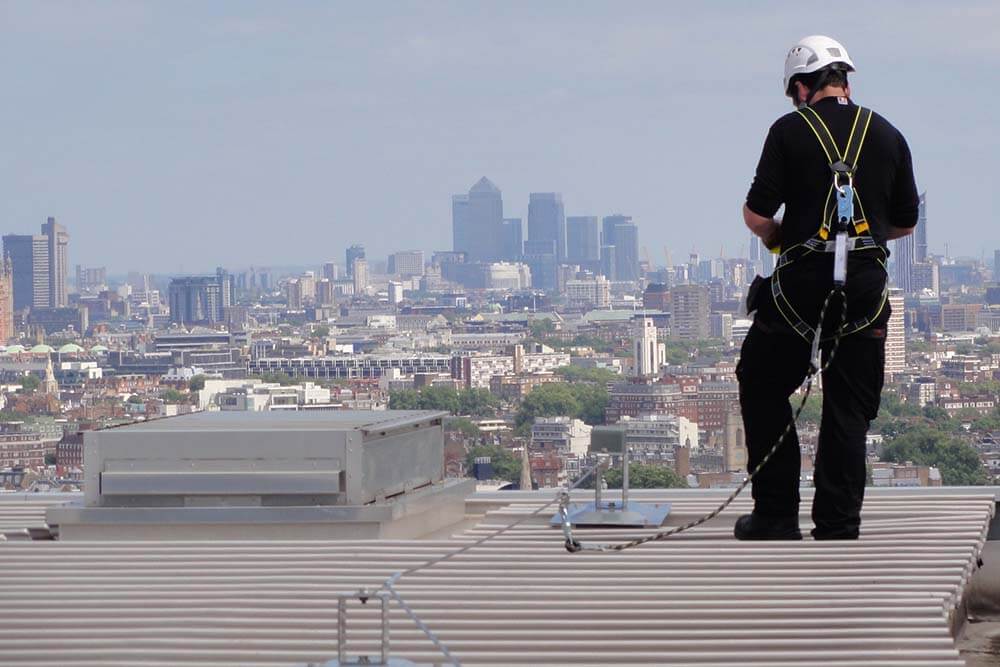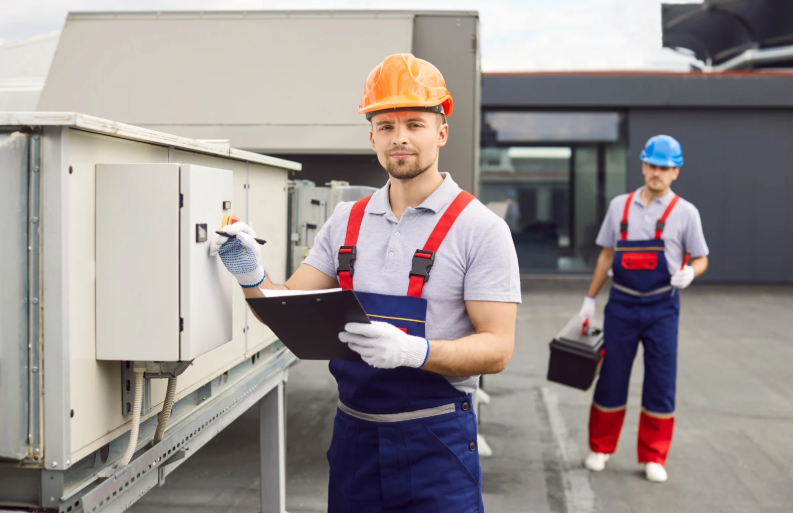
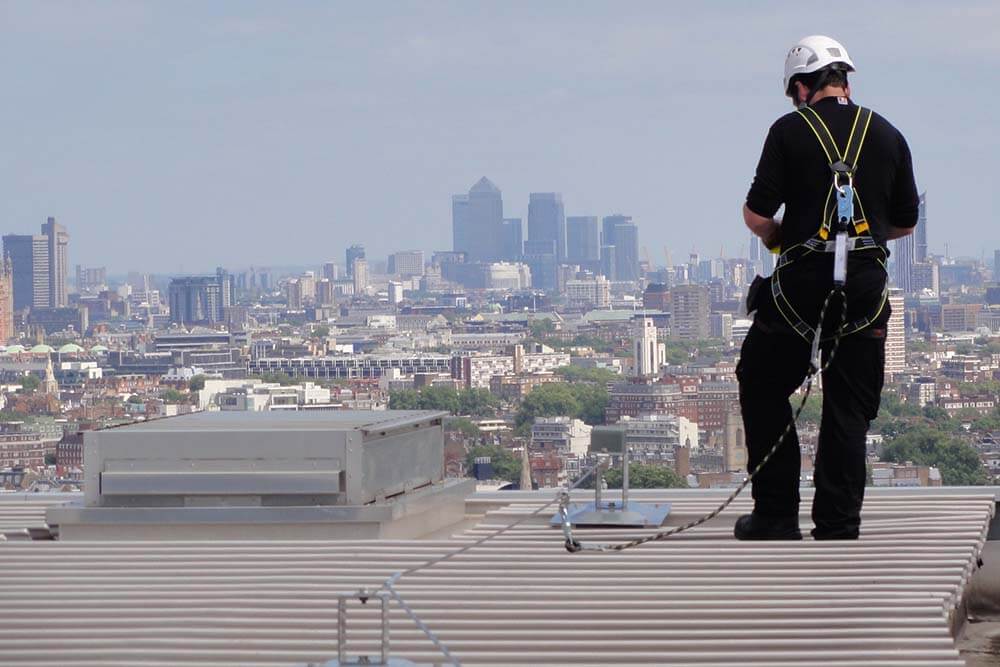
Working at elevated locations comes with significant risks, making reliable fall protection one of the most important investments any organization can make. A Horizontal Lifeline is designed to help protect workers by providing continuous fall protection while allowing them to move freely across elevated work areas. Unlike systems that require workers to disconnect and reconnect as they move, a Horizontal Lifeline creates a secure path that supports mobility without compromising safety. It has become an essential component in industries where employees routinely perform tasks on rooftops, bridges, steel structures, industrial facilities, and construction sites. Whether installed as a temporary solution for a short-term project or as a permanent safety system for ongoing operations, a Horizontal Lifeline helps employers create a safer working environment. Understanding how these systems function, where they are used, and how they benefit workers can help businesses improve workplace safety while meeting industry standards.
What Is a Horizontal Lifeline?
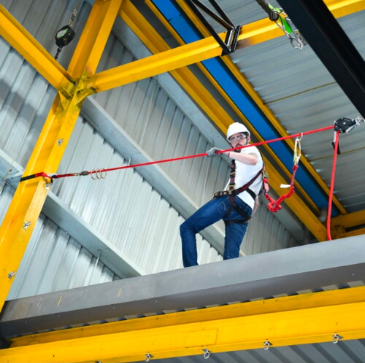
A Horizontal Lifeline is a fall protection system that consists of a flexible line, cable, or rope stretched horizontally between two or more secure anchor points. Workers connect their personal fall arrest systems to the lifeline, allowing them to move along the work area while remaining continuously attached. This arrangement reduces the need for repeated tie-offs, which can interrupt workflow and increase the chance of human error. The system is carefully engineered to withstand the forces generated during a fall while minimizing the impact on both the worker and the supporting structure. Depending on the application, a Horizontal Lifeline may use galvanized steel cable, stainless steel cable, or high-strength synthetic rope. Each design is selected based on environmental conditions, expected loads, and the type of work being performed. When properly designed, installed, and maintained, a Horizontal Lifeline becomes a dependable part of a comprehensive workplace safety program.
Many people confuse a Horizontal Lifeline with a vertical lifeline, but the two systems serve different purposes. A vertical lifeline is intended for climbing or moving up and down structures, while a Horizontal Lifeline supports movement across a horizontal work area. This distinction is important because each system is engineered to address different types of fall hazards. Selecting the proper system ensures workers receive the appropriate level of protection for their specific tasks. Understanding these differences also helps employers make informed decisions when planning fall protection strategies.
The effectiveness of a Horizontal Lifeline depends on several essential components working together. The lifeline itself serves as the primary connection point for workers. Secure anchor points transfer fall forces into the supporting structure, while intermediate supports maintain cable alignment over longer spans. Energy absorbers help reduce impact forces during a fall, protecting both the worker and the system. Connectors, lanyards, harnesses, and compatible hardware complete the personal fall arrest system. Every component must be compatible with the others to achieve the intended level of safety.
How a Horizontal Lifeline System Works
A Horizontal Lifeline allows workers to remain connected to a secure anchorage while traveling across elevated work areas. Instead of disconnecting and reconnecting to multiple anchor points, employees simply move along the lifeline with their approved connecting device. This continuous connection significantly reduces exposure to fall hazards, especially in areas requiring frequent movement. The design allows workers to perform their duties efficiently while maintaining a consistent level of protection. This combination of mobility and safety makes Horizontal Lifeline systems highly effective for demanding work environments.
If a fall occurs, the Horizontal Lifeline is designed to distribute the resulting forces across the entire system rather than concentrating them at a single point. Energy absorbers play a vital role by reducing the shock load experienced by the worker and the anchor structure. Properly engineered anchor points are equally important because they provide the strength necessary to support the system under dynamic loading conditions. The overall design considers factors such as cable tension, span length, worker weight, and the number of authorized users. These engineering principles ensure the system performs as intended during an emergency.
One of the greatest advantages of a Horizontal Lifeline is the freedom it provides. Workers can move across rooftops, structural beams, elevated platforms, and other work surfaces without repeatedly stopping to reconnect their fall protection equipment. This uninterrupted movement helps reduce delays, improve productivity, and encourage consistent use of fall protection equipment. Employees are more likely to remain connected throughout their work shift when the system is convenient to use. As a result, both safety and operational efficiency benefit from proper Horizontal Lifeline installation.
Types of Horizontal Lifeline Systems
Permanent Horizontal Lifeline systems are designed for locations where employees regularly perform work at height. Manufacturing plants, commercial buildings, warehouses, bridges, and industrial facilities often install permanent systems because they provide long-term protection for maintenance personnel and contractors. These systems are engineered to remain in place for many years while withstanding environmental exposure. Routine inspections and maintenance help preserve their reliability throughout their service life. Although permanent systems require a larger initial investment, they often reduce long-term safety costs by providing dependable protection whenever elevated work is required. Businesses with ongoing maintenance operations frequently find permanent Horizontal Lifeline systems to be a valuable safety investment. Their durability and consistent availability contribute to improved workplace safety.
Temporary Horizontal Lifeline systems offer flexibility for construction projects and short-term maintenance activities. They can be installed quickly, relocated as needed, and removed after the project is completed. These portable systems are especially useful when permanent anchor structures are unavailable or unnecessary. Contractors appreciate their versatility because they can adapt to changing work environments. Despite their temporary nature, they must still meet applicable safety requirements and be installed according to manufacturer specifications. Proper planning ensures temporary systems deliver reliable fall protection throughout the project. They provide an excellent solution for dynamic work environments where flexibility is essential.
Cable-based Horizontal Lifeline systems are among the most common options for demanding industrial applications. Steel cables provide exceptional strength, durability, and resistance to heavy loads. Galvanized steel offers corrosion resistance for many outdoor environments, while stainless steel performs well in highly corrosive conditions such as coastal or chemical facilities. These systems are commonly selected for bridges, industrial plants, and large commercial buildings where long service life is important. Their robust construction allows them to withstand frequent use under challenging conditions. When paired with compatible components, cable systems deliver dependable protection for multiple users.
Synthetic rope Horizontal Lifeline systems provide a lightweight alternative for temporary work applications. High-strength synthetic materials make installation faster while reducing transportation and handling effort. Roofing crews, maintenance teams, and contractors often prefer these systems because they are easier to move between job sites. Modern synthetic ropes are engineered to provide impressive strength while remaining flexible and portable. Even so, they require regular inspection for wear, abrasion, and environmental damage. Proper storage also helps maximize their lifespan and maintain safe performance. Selecting between cable and rope systems depends on the specific demands of each work environment.
Where Horizontal Lifeline Systems Are Commonly Used
Construction remains one of the largest industries using Horizontal Lifeline systems. Workers frequently perform tasks on structural steel, concrete forms, rooftops, scaffolding, and elevated platforms where fall hazards are present. A Horizontal Lifeline allows crews to move efficiently while remaining continuously connected to a secure fall protection system. This improves both productivity and worker confidence throughout the project. Whether constructing commercial buildings, residential developments, or infrastructure projects, contractors rely on Horizontal Lifeline systems to support safer operations. Proper planning helps ensure the system matches the specific hazards of each construction site. As projects become more complex, reliable fall protection becomes increasingly important.
Industrial facilities also benefit from permanent Horizontal Lifeline installations. Manufacturing plants, processing facilities, warehouses, and distribution centers often require employees to inspect equipment located on elevated platforms or rooftops. Maintenance personnel may spend hours performing repairs in areas where falls are a significant concern. Installing a Horizontal Lifeline provides continuous protection without limiting mobility. Employees can focus on their responsibilities while remaining connected throughout the task. This contributes to improved safety performance and supports a stronger workplace safety culture. Organizations that prioritize preventive safety measures often view Horizontal Lifeline systems as essential infrastructure.
The energy and utility sectors present additional situations where Horizontal Lifeline systems provide outstanding value. Technicians working on power plants, wind turbines, solar installations, substations, and utility structures routinely encounter elevated work locations. These environments often involve complex layouts that require workers to move considerable distances while remaining protected. A properly designed Horizontal Lifeline supports these movements while reducing fall exposure. Durable materials ensure reliable performance under demanding environmental conditions. Routine inspections help maintain system integrity over time. Reliable fall protection allows utility personnel to perform critical maintenance with greater confidence.
Infrastructure projects such as bridges, dams, transportation facilities, and public works also depend on Horizontal Lifeline systems to protect maintenance crews. These structures often require routine inspections, cleaning, repairs, and upgrades that place workers at considerable heights. Because many infrastructure projects involve extended horizontal work areas, a Horizontal Lifeline offers an efficient safety solution. Workers can travel across large sections of the structure while maintaining continuous attachment. This reduces unnecessary interruptions and encourages consistent use of fall protection equipment. Long-term safety planning often includes permanent Horizontal Lifeline installations to support future maintenance activities. Their versatility makes them an indispensable part of modern fall protection programs.
Benefits of Installing a Horizontal Lifeline
Installing a Horizontal Lifeline provides significant advantages for organizations that regularly perform work at height. The most important benefit is enhanced worker safety because employees remain continuously connected to a reliable fall protection system while performing their tasks. Continuous attachment minimizes the risk of accidental disconnection, which is one of the leading causes of fall-related incidents. Workers also gain greater confidence when they know they have dependable protection, allowing them to focus on completing their responsibilities accurately and efficiently. A safer work environment often leads to better morale, fewer interruptions, and improved job satisfaction. Employers who invest in a Horizontal Lifeline demonstrate a commitment to protecting their workforce and reducing workplace hazards. This proactive approach supports a stronger overall safety culture throughout the organization.
Another major advantage is improved productivity. Without a Horizontal Lifeline, workers may need to disconnect and reconnect their lanyards multiple times as they move across elevated work areas. These repeated tie-offs consume valuable time and can interrupt workflow. A properly designed Horizontal Lifeline allows employees to move more freely while maintaining continuous protection. This flexibility helps crews complete inspections, maintenance, installations, and repairs more efficiently. Reduced interruptions often translate into faster project completion and lower labor costs. The combination of safety and operational efficiency makes a Horizontal Lifeline an excellent investment for businesses that regularly perform elevated work.
A Horizontal Lifeline can also provide meaningful financial benefits over time. Workplace falls often result in medical expenses, equipment damage, project delays, regulatory penalties, and increased insurance costs. By reducing the likelihood of fall incidents, organizations may lower many of these expenses. Permanent systems can serve employees for many years when properly maintained, providing long-term value beyond the initial installation cost. Routine inspections and preventive maintenance further extend the lifespan of the system. Investing in quality fall protection is often more economical than dealing with the financial impact of workplace accidents. For many employers, a Horizontal Lifeline is both a safety improvement and a sound business decision.
Compliance with workplace safety regulations is another important benefit. Many industries require employers to implement appropriate fall protection whenever employees are exposed to fall hazards. A Horizontal Lifeline helps organizations establish safer work practices while supporting regulatory compliance. Proper documentation, inspections, and employee training further strengthen workplace safety programs. Demonstrating compliance can also simplify audits and inspections conducted by regulatory agencies or clients. Organizations that consistently maintain their fall protection systems often build stronger reputations for workplace safety. This commitment benefits employees, customers, and business partners alike.
Choosing the Right Horizontal Lifeline System
Selecting the appropriate Horizontal Lifeline begins with a careful assessment of the work environment. Employers should evaluate whether the system will be installed indoors or outdoors, as environmental conditions influence material selection and long-term performance. Exposure to moisture, chemicals, extreme temperatures, and ultraviolet radiation can affect different system components over time. Understanding these conditions helps determine whether galvanized steel, stainless steel, or synthetic materials are most appropriate. Structural evaluations should also confirm that suitable anchor points are available to support the required loads. Careful planning during the selection process helps maximize safety and system reliability. Every workplace presents unique challenges that deserve thorough evaluation before installation.
Worker capacity is another essential consideration. Some Horizontal Lifeline systems are designed for a single user, while others safely accommodate multiple workers simultaneously. Employers should estimate the maximum number of users who may need access at the same time. Span length, available clearance below the work area, and expected travel distance should also be evaluated. Longer spans may require intermediate supports or additional engineering to control system deflection during a fall. Choosing a system that matches actual work requirements improves both safety and efficiency. Careful planning prevents future limitations as operational needs evolve.
Material selection plays a significant role in overall system performance. Stainless steel Horizontal Lifeline systems provide outstanding corrosion resistance, making them well suited for coastal facilities, food processing plants, and chemical environments. Galvanized steel offers excellent durability for many general industrial applications while remaining cost-effective. Synthetic rope systems provide exceptional portability for temporary installations where frequent relocation is required. Each material offers unique advantages depending on the intended application. Consulting qualified professionals can help ensure the selected system aligns with workplace conditions and operational goals. Making informed decisions during the planning stage contributes to long-term reliability.
Organizations should also consider future maintenance and potential expansion. As facilities grow or operational requirements change, additional work areas may require fall protection. Selecting a Horizontal Lifeline system with expansion capability can simplify future upgrades. Maintenance accessibility is equally important because routine inspections are necessary to keep the system operating safely. Systems designed for easier inspection and servicing often reduce long-term maintenance costs. Planning for future needs helps maximize the return on investment while maintaining a consistently safe workplace. A well-designed system remains valuable for many years.
Proper Installation Practices
Proper installation is essential for ensuring a Horizontal Lifeline performs as intended. The process should always begin with a comprehensive site assessment that identifies fall hazards, evaluates structural integrity, and determines suitable anchor locations. Engineers or qualified installers should verify that supporting structures can withstand anticipated loads during a fall event. Careful measurements help determine appropriate cable tension, span length, and intermediate support placement. Every installation should follow manufacturer specifications and applicable safety standards. Thorough planning reduces installation errors and improves overall system performance. Attention to detail during this stage creates the foundation for a dependable fall protection system.
Correct installation techniques are equally important. Anchor points must be securely attached to structurally sound surfaces capable of supporting required loads. Cable tension should be adjusted according to engineering specifications to achieve optimal performance during normal use and potential fall events. Intermediate supports help control cable sag and maintain alignment across long spans. All connectors, brackets, and hardware should be compatible with the selected Horizontal Lifeline system. Qualified installers should verify that every component is properly secured before the system is placed into service. Proper installation greatly enhances worker confidence and overall safety.
System testing provides another layer of assurance before employees begin using the Horizontal Lifeline. Initial inspections should verify hardware integrity, cable condition, anchor stability, and overall system alignment. Documentation of installation details supports future maintenance and regulatory compliance. Any deficiencies identified during testing should be corrected immediately before the system is approved for use. Periodic re-evaluation helps confirm continued reliability as workplace conditions change. Maintaining accurate inspection records also demonstrates responsible safety management. Thorough testing helps ensure the Horizontal Lifeline performs reliably when workers need it most.
Inspection and Maintenance Requirements
Routine inspections are essential for maintaining the safety and reliability of every Horizontal Lifeline. Before each use, workers should perform a visual inspection of the entire system. They should look for damaged cables, worn connectors, loose hardware, corrosion, deformation, and signs of excessive wear. Any abnormalities should be reported immediately so the equipment can be evaluated by qualified personnel. Daily inspections help identify developing problems before they become serious safety hazards. Even minor damage can compromise the effectiveness of the system if left unaddressed. Consistent inspection practices play a critical role in workplace safety.
Professional inspections should also be conducted at regular intervals according to manufacturer recommendations and workplace policies. Qualified inspectors evaluate anchor points, energy absorbers, intermediate supports, connectors, and structural attachments. They also verify that the Horizontal Lifeline continues to meet applicable engineering requirements. Detailed inspection reports provide valuable documentation for compliance and maintenance planning. Scheduled evaluations help identify hidden issues that may not be visible during daily inspections. Addressing maintenance needs promptly extends system life while maintaining dependable performance. Regular professional inspections strengthen the overall effectiveness of fall protection programs.
Proper maintenance helps preserve the long-term performance of a Horizontal Lifeline. Cleaning components, replacing worn hardware, tightening loose connections, and protecting exposed materials from corrosion all contribute to system longevity. Equipment should be stored appropriately when temporary systems are not in use. Manufacturers often provide detailed maintenance instructions that should be followed carefully. Replacement components should always be compatible with the original system design. Consistent maintenance reduces unexpected equipment failures and supports safer work environments. Well-maintained systems continue providing reliable protection year after year.
Common Mistakes to Avoid When Using a Horizontal Lifeline
Although a Horizontal Lifeline is highly effective, improper use can reduce its protective capabilities. One common mistake is selecting inadequate anchor points that cannot safely support required loads. Every anchor must be evaluated to ensure structural integrity before installation begins. Another frequent error involves exceeding the system’s approved user capacity. Allowing more workers than specified by the manufacturer can place excessive stress on the system during normal use and potential fall events. Following engineering specifications helps prevent unnecessary risks. Careful planning ensures the system performs as intended.
Skipping routine inspections is another mistake that can compromise safety. Small signs of wear or corrosion may go unnoticed until they develop into significant problems. Workers should never assume equipment is safe simply because it was inspected previously. Daily visual inspections remain essential regardless of how recently professional maintenance was completed. Using incompatible connectors, lanyards, or harnesses can also reduce overall system effectiveness. Every component should be specifically approved for use together within the complete fall protection system. Compatibility plays an important role in reliable performance.
Insufficient worker training presents another avoidable risk. Employees should understand how the Horizontal Lifeline functions, how to connect properly, and how to recognize potential hazards before beginning elevated work. They should also know emergency procedures and rescue plans in the event of a fall. Ignoring manufacturer instructions or modifying equipment without approval can create dangerous conditions. Following established procedures helps maximize the protective benefits of the system. Safe equipment combined with knowledgeable workers creates the strongest defense against fall-related incidents.
Why Employee Training Is Essential
Employee education is one of the most valuable investments organizations can make when implementing a Horizontal Lifeline. Workers should understand how every component functions and why proper equipment use matters. Training builds confidence while reducing the likelihood of misuse or unsafe practices. Employees also learn how to inspect equipment before use and recognize conditions that require immediate attention. Regular refresher training reinforces safe habits and keeps workers informed about updated procedures. Well-trained personnel contribute to a safer and more productive workplace. Knowledge remains one of the strongest forms of fall protection.
Training should also include hazard recognition and emergency preparedness. Workers need to identify fall hazards before beginning any elevated task and understand how workplace conditions may change throughout the day. Rescue planning is equally important because rapid response can significantly improve outcomes following a fall. Employers should establish clear communication procedures and emergency response protocols. Practical exercises help employees apply their knowledge in realistic situations. Continuous education strengthens both individual safety and overall organizational preparedness. A knowledgeable workforce supports the long-term success of every Horizontal Lifeline program.
Future Trends in Horizontal Lifeline Technology
Technology continues to improve the performance of Horizontal Lifeline systems. Modern designs increasingly incorporate advanced materials that offer greater strength while reducing weight. Improved energy absorbers help reduce impact forces even further during fall events. These innovations enhance both worker comfort and overall system reliability. Manufacturers continue developing products that simplify installation without compromising safety. Ongoing research supports continuous improvements in fall protection technology. Future systems are expected to become even more efficient and durable.
Digital technologies are also transforming inspection and maintenance practices. Smart monitoring devices can assist safety professionals by tracking inspection schedules and recording maintenance activities. Digital documentation reduces paperwork while improving record accuracy. Some systems are designed to provide easier access for inspections, helping organizations identify maintenance needs more efficiently. As technology advances, employers will have additional tools to strengthen workplace safety programs. Investing in modern Horizontal Lifeline solutions helps organizations remain prepared for evolving workplace requirements. Continued innovation supports safer work environments across many industries.
FAQ
What is a Horizontal Lifeline used for?
A Horizontal Lifeline protects workers performing tasks at elevated locations by allowing continuous attachment to a secure fall protection system while moving horizontally.
What is the difference between a Horizontal Lifeline and a vertical lifeline?
A Horizontal Lifeline supports movement across horizontal work areas, while a vertical lifeline is designed for climbing or descending structures.
Can multiple workers use a Horizontal Lifeline at the same time?
Some systems are engineered for multiple users, while others are limited to a single worker. Always follow the manufacturer’s specifications.
How often should a Horizontal Lifeline be inspected?
Workers should inspect the system before every use, and qualified professionals should perform scheduled inspections according to manufacturer recommendations.
What industries commonly use Horizontal Lifeline systems?
Construction, manufacturing, energy, utilities, warehousing, transportation, infrastructure maintenance, and facility management commonly rely on Horizontal Lifeline systems.
Can a Horizontal Lifeline be installed temporarily?
Yes. Temporary Horizontal Lifeline systems are widely used for construction projects, maintenance work, and short-term applications.
What equipment is required when using a Horizontal Lifeline?
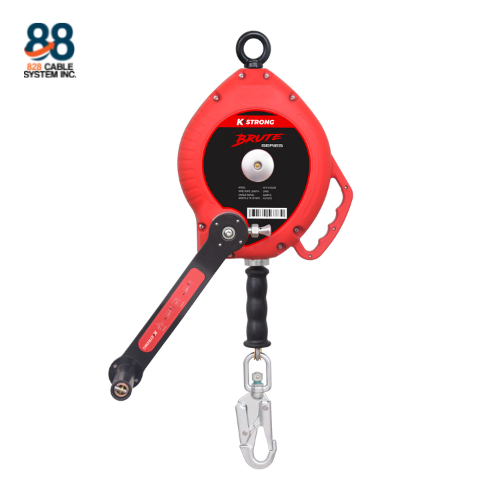
Workers typically use a full-body harness, connecting device, compatible lanyard or self-retracting lifeline, and other approved fall arrest components.
How do you choose the right Horizontal Lifeline system for a project?
Consider the work environment, number of users, available anchor points, span length, environmental conditions, and applicable safety requirements before selecting a system.
Takeaway
A Horizontal Lifeline is one of the most effective fall protection solutions for employees working at height. It combines continuous safety with greater freedom of movement, allowing workers to perform their duties more efficiently while reducing exposure to fall hazards. Choosing the right system requires careful planning, quality installation, regular inspections, and ongoing employee training. Whether used in construction, industrial facilities, energy projects, or infrastructure maintenance, a properly maintained Horizontal Lifeline supports safer operations and long-term reliability. Organizations that prioritize dependable fall protection not only help safeguard their workforce but also improve productivity, regulatory compliance, and operational performance for years to come.